Blab Politics
Australia Adds South Africa to Travel Advisory List Amid Rising Crime and Planned Protests
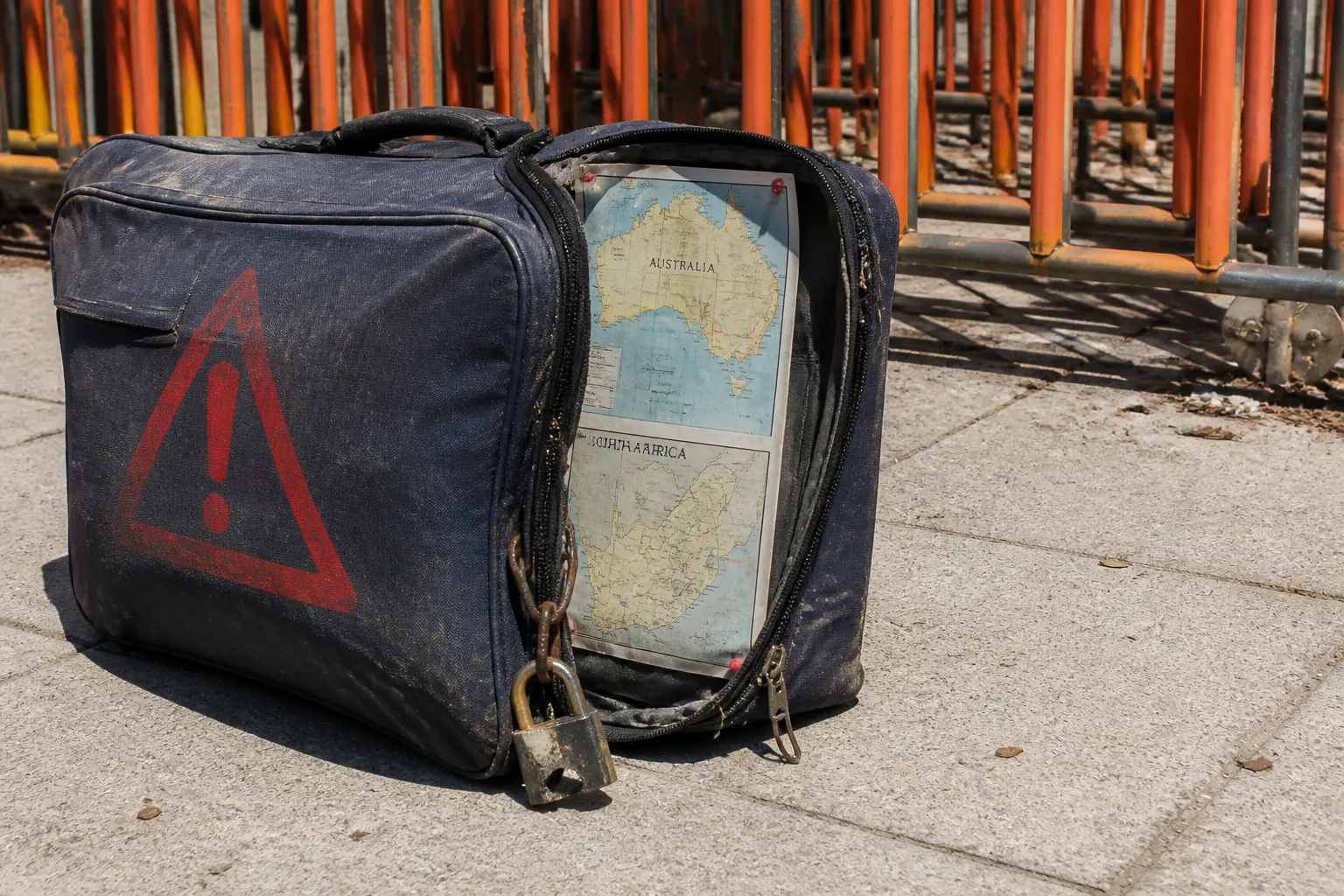
On June 14, the Australian Department of Foreign Affairs and Trade issued a new travel advisory for South Africa, urging citizens to exercise extreme caution when visiting the country. The warning lists persistent threats from armed robberies, vehicle hijackings, assaults, scams and other violent crimes that frequently target residents and foreign visitors.
The advisory points out that tourists are especially vulnerable at airports, public transport hubs, major city centres and popular tourist destinations, where theft and organised criminal activity have become increasingly common. Travelers are advised to stay alert, especially after dark and in high‑risk urban areas.
Australia’s update follows similar alerts issued by the United States and the United Kingdom. The U.S. Department of State has repeatedly highlighted risks associated with armed robberies, carjackings, violent assaults, kidnapping and demonstrations that can disrupt travel and commercial activities. The U.K. Foreign, Commonwealth & Development Office advises British nationals to remain vigilant to high levels of violent crime, including muggings, armed attacks, theft and vehicle hijackings, especially in major metropolitan areas.
The advisories come amid heightened political and social tensions in South Africa. An anti‑illegal immigration movement, March and March, has scheduled a nationwide protest campaign for June 30. According to reports, the demonstrations are expected to involve road blockades, transport disruptions and public gatherings across several provinces. Officials warn that protests could unexpectedly turn violent, leading to property damage, disruptions to essential services and isolated incidents of violence.
Xenophobic sentiment has also risen across the continent. Several African governments, including Nigeria, Ghana, Malawi and Mozambique, are monitoring developments and offering consular support to citizens who feel threatened or wish to leave affected communities. Foreign nationals have reported intimidation, harassment and threats amid renewed activism targeting undocumented migrants. These incidents revive memories of earlier waves of xenophobic violence that resulted in deaths, displacement and diplomatic tensions between South Africa and other African countries.
South African President Cyril Ramaphosa has publicly condemned xenophobic attacks and stated that immigration enforcement remains the responsibility of the state. Critics argue that authorities have not acted decisively enough to curb anti‑migrant mobilisation, despite commitments to strengthen immigration controls and prosecute individuals who incite violence.
The growing number of travel advisories from major Western nations adds to international scrutiny over public safety and social stability in South Africa, the continent’s largest economy. Analysts warn that persistent concerns over crime, public unrest and xenophobic tensions could undermine investor confidence and damage the country’s global reputation.
With the June 30 demonstrations approaching, South African authorities face increasing pressure to maintain order, protect foreign nationals and reassure investors and visitors that the country remains a safe destination for business and tourism. The government has not yet issued a specific response to the Australian advisory, but officials have reiterated their commitment to ensuring the safety of all visitors.
The advisories remain in effect as of June 14, 2026. Australian citizens planning travel to South Africa are advised to check the Smartraveller website for the latest information and to register with the Australian Embassy in Pretoria. U.S. and U.K. citizens should consult their respective travel advisory pages for updated guidance.
The situation continues to evolve, and further developments are expected as the protest date approaches and as authorities respond to the security challenges highlighted by the travel warnings.
The advisory points out that tourists are especially vulnerable at airports, public transport hubs, major city centres and popular tourist destinations, where theft and organised criminal activity have become increasingly common. Travelers are advised to stay alert, especially after dark and in high‑risk urban areas.
Australia’s update follows similar alerts issued by the United States and the United Kingdom. The U.S. Department of State has repeatedly highlighted risks associated with armed robberies, carjackings, violent assaults, kidnapping and demonstrations that can disrupt travel and commercial activities. The U.K. Foreign, Commonwealth & Development Office advises British nationals to remain vigilant to high levels of violent crime, including muggings, armed attacks, theft and vehicle hijackings, especially in major metropolitan areas.
The advisories come amid heightened political and social tensions in South Africa. An anti‑illegal immigration movement, March and March, has scheduled a nationwide protest campaign for June 30. According to reports, the demonstrations are expected to involve road blockades, transport disruptions and public gatherings across several provinces. Officials warn that protests could unexpectedly turn violent, leading to property damage, disruptions to essential services and isolated incidents of violence.
Xenophobic sentiment has also risen across the continent. Several African governments, including Nigeria, Ghana, Malawi and Mozambique, are monitoring developments and offering consular support to citizens who feel threatened or wish to leave affected communities. Foreign nationals have reported intimidation, harassment and threats amid renewed activism targeting undocumented migrants. These incidents revive memories of earlier waves of xenophobic violence that resulted in deaths, displacement and diplomatic tensions between South Africa and other African countries.
South African President Cyril Ramaphosa has publicly condemned xenophobic attacks and stated that immigration enforcement remains the responsibility of the state. Critics argue that authorities have not acted decisively enough to curb anti‑migrant mobilisation, despite commitments to strengthen immigration controls and prosecute individuals who incite violence.
The growing number of travel advisories from major Western nations adds to international scrutiny over public safety and social stability in South Africa, the continent’s largest economy. Analysts warn that persistent concerns over crime, public unrest and xenophobic tensions could undermine investor confidence and damage the country’s global reputation.
With the June 30 demonstrations approaching, South African authorities face increasing pressure to maintain order, protect foreign nationals and reassure investors and visitors that the country remains a safe destination for business and tourism. The government has not yet issued a specific response to the Australian advisory, but officials have reiterated their commitment to ensuring the safety of all visitors.
The advisories remain in effect as of June 14, 2026. Australian citizens planning travel to South Africa are advised to check the Smartraveller website for the latest information and to register with the Australian Embassy in Pretoria. U.S. and U.K. citizens should consult their respective travel advisory pages for updated guidance.
The situation continues to evolve, and further developments are expected as the protest date approaches and as authorities respond to the security challenges highlighted by the travel warnings.