Blab Politics
Trump Administrations Proposal to Transfer Grizzly Bear Management to States Sparks Legal Challenge
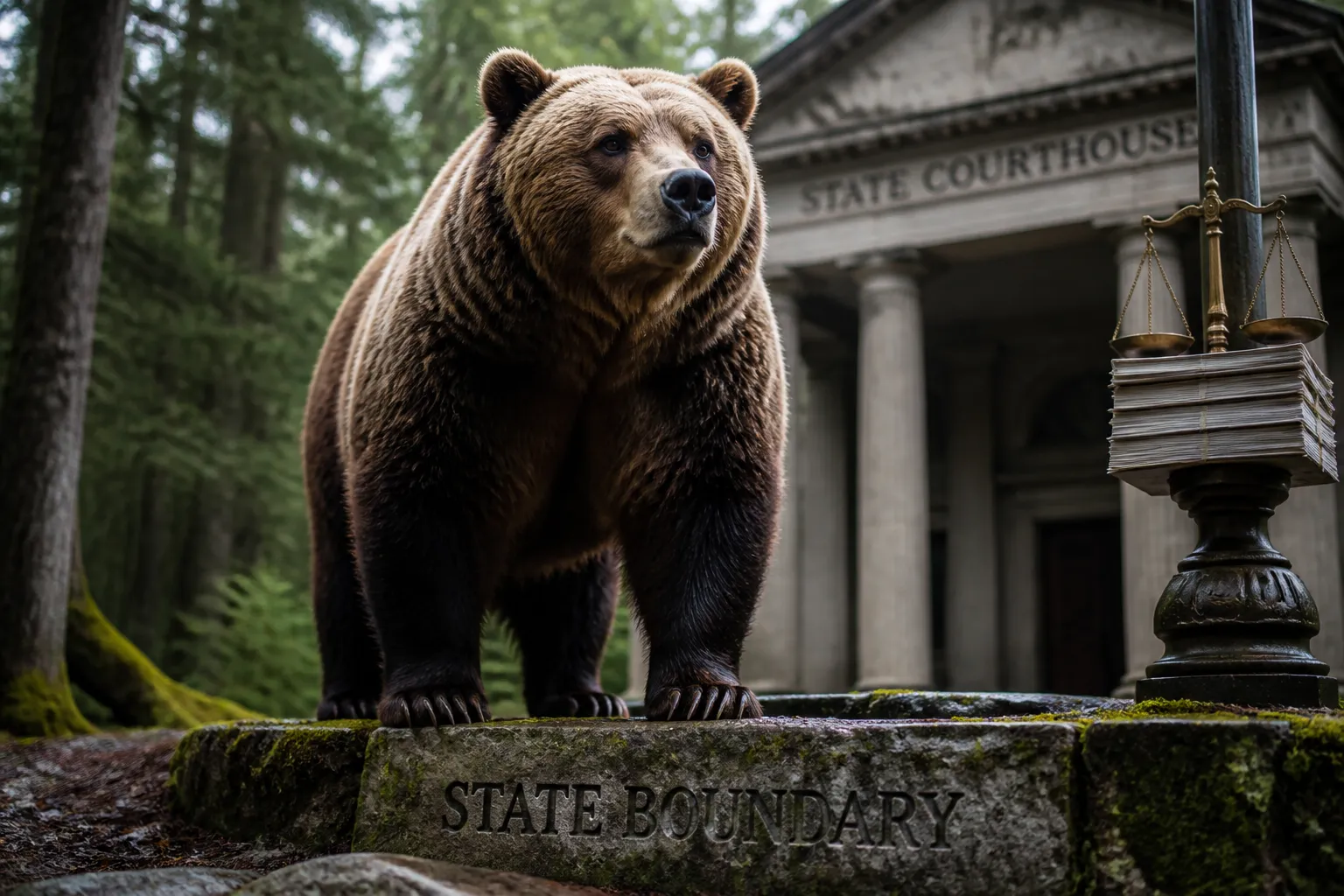
On July 14, the U.S. Department of the Interior unveiled a revised version of a plan that would hand more authority over grizzly bears to state governments in the Northern Rockies. The tweak follows a 2023 proposal that would have shifted responsibility for large swaths of the species’ range to state agencies that have historically opposed the bears.
Under the original 2023 proposal, state officials would have gained sweeping power to relocate, capture, or even kill grizzly bears without federal oversight. The administration framed the move as a way to streamline management once federal recovery benchmarks were met, but critics argued it effectively stripped the Endangered Species Act (ESA) of its protections. The new rule, issued in mid‑July, keeps grizzlies on the federal list while granting states greater flexibility—yet it still requires that states demonstrate they can uphold the same level of protection the federal government currently provides.
The timing of the revision coincides with a record‑high number of grizzly deaths in 2025. Data from the Interagency Grizzly Bear Study Team show that 72 bears were killed in the Greater Yellowstone Ecosystem that year, the highest tally since the species was listed under the ESA. More than half of those deaths were human‑caused, a trend that has alarmed conservation groups.
Earthjustice, a nonprofit environmental law organization, has been a vocal opponent of the Trump administration’s approach to grizzly bear protection. The organization has a history of litigating against federal actions that it believes weaken species recovery. In 2020, Earthjustice successfully challenged a proposed delisting of the Greater Yellowstone grizzly population, preventing the removal of federal safeguards.
The current proposal would also strip the Roadless Rule from certain national forests—a policy that limits road construction and logging on federal lands. The rule has been credited with preserving critical habitat for grizzlies and other wildlife. Its potential repeal would open vast tracts of forest to development, increasing the likelihood of human‑bear encounters.
The Department of the Interior’s revised proposal includes a requirement that states demonstrate they can maintain the same level of protection that the federal government currently provides. However, the rule does not specify how states would preserve habitat connectivity, a key factor for grizzly recovery. The lack of guidance has prompted Earthjustice to file a lawsuit challenging the rule’s legality.
In addition to the federal action, state agencies are seeking public input on how they would manage grizzlies if the species were removed from the ESA list. Wyoming’s Game and Fish Department has called for comments on a post‑delisting management plan, a move that could set a precedent for other Northern Rocky states.
The legal challenge filed by Earthjustice argues that the Trump administration’s proposal violates the ESA’s mandate to protect listed species. The organization claims that handing management to states with hostile attitudes toward grizzlies would undermine the species’ recovery and contravene federal law.
The Department of the Interior has stated that it will continue to monitor grizzly populations and that the revised rule is intended to provide flexibility while maintaining protections. The agency has not yet announced a final rule date.
The outcome of Earthjustice’s lawsuit and the Department of the Interior’s next steps will determine whether states can assume control over grizzly bear management. If the court upholds the agency’s revised proposal, states could gain significant authority to alter bear populations. If the court blocks the rule, federal oversight will remain.
For now, the grizzly bear population remains on the ESA list, and the Department of the Interior is expected to finalize the revised rule in the coming months. Earthjustice will continue to monitor the process and may seek further legal action if the agency moves forward without adequate safeguards.
The situation underscores the ongoing tension between conservation goals and state‑level resource management. The next few weeks will be critical as federal agencies, state governments, and environmental groups negotiate the future of grizzly bear protection in the Northern Rockies.
Under the original 2023 proposal, state officials would have gained sweeping power to relocate, capture, or even kill grizzly bears without federal oversight. The administration framed the move as a way to streamline management once federal recovery benchmarks were met, but critics argued it effectively stripped the Endangered Species Act (ESA) of its protections. The new rule, issued in mid‑July, keeps grizzlies on the federal list while granting states greater flexibility—yet it still requires that states demonstrate they can uphold the same level of protection the federal government currently provides.
The timing of the revision coincides with a record‑high number of grizzly deaths in 2025. Data from the Interagency Grizzly Bear Study Team show that 72 bears were killed in the Greater Yellowstone Ecosystem that year, the highest tally since the species was listed under the ESA. More than half of those deaths were human‑caused, a trend that has alarmed conservation groups.
Earthjustice, a nonprofit environmental law organization, has been a vocal opponent of the Trump administration’s approach to grizzly bear protection. The organization has a history of litigating against federal actions that it believes weaken species recovery. In 2020, Earthjustice successfully challenged a proposed delisting of the Greater Yellowstone grizzly population, preventing the removal of federal safeguards.
The current proposal would also strip the Roadless Rule from certain national forests—a policy that limits road construction and logging on federal lands. The rule has been credited with preserving critical habitat for grizzlies and other wildlife. Its potential repeal would open vast tracts of forest to development, increasing the likelihood of human‑bear encounters.
The Department of the Interior’s revised proposal includes a requirement that states demonstrate they can maintain the same level of protection that the federal government currently provides. However, the rule does not specify how states would preserve habitat connectivity, a key factor for grizzly recovery. The lack of guidance has prompted Earthjustice to file a lawsuit challenging the rule’s legality.
In addition to the federal action, state agencies are seeking public input on how they would manage grizzlies if the species were removed from the ESA list. Wyoming’s Game and Fish Department has called for comments on a post‑delisting management plan, a move that could set a precedent for other Northern Rocky states.
The legal challenge filed by Earthjustice argues that the Trump administration’s proposal violates the ESA’s mandate to protect listed species. The organization claims that handing management to states with hostile attitudes toward grizzlies would undermine the species’ recovery and contravene federal law.
The Department of the Interior has stated that it will continue to monitor grizzly populations and that the revised rule is intended to provide flexibility while maintaining protections. The agency has not yet announced a final rule date.
The outcome of Earthjustice’s lawsuit and the Department of the Interior’s next steps will determine whether states can assume control over grizzly bear management. If the court upholds the agency’s revised proposal, states could gain significant authority to alter bear populations. If the court blocks the rule, federal oversight will remain.
For now, the grizzly bear population remains on the ESA list, and the Department of the Interior is expected to finalize the revised rule in the coming months. Earthjustice will continue to monitor the process and may seek further legal action if the agency moves forward without adequate safeguards.
The situation underscores the ongoing tension between conservation goals and state‑level resource management. The next few weeks will be critical as federal agencies, state governments, and environmental groups negotiate the future of grizzly bear protection in the Northern Rockies.