Blab Politics
Providence Mayor Brett Smiley Loses Democratic Primary to David Morales Amid Israel-Related Divestment Debate
On September 9, the city of Providence witnessed a political shockwave when incumbent mayor Brett Smiley was unseated in the Democratic primary by state Representative David Morales. The contest, which drew national attention because of its Israel‑related stakes, concluded with Morales capturing 52.5 % of the vote to Smiley’s 47.5 % after 99 % of ballots were counted.
Smiley, who converted to Judaism in 2024 while serving as mayor, has been a familiar face in Providence politics since taking office in January 2023. Morales, a 27‑year‑old democratic socialist from the 7th district, entered the race in September 2025 and received endorsements from Senator Bernie Sanders and Representative Ro Khanna. In a city that is overwhelmingly Democratic, the primary winner is almost certain to become mayor in the November general election.
The campaign was punctuated by controversy. Pro‑Smiley flyers were defaced with Hitler mustaches and devil horns, an act that Morales condemned. He also criticized Smiley’s participation in a summit organized by the Combat Antisemitism Movement—a group in which Smiley holds a leadership position—claiming the event stifled pro‑Palestinian speech and lacked transparency about its funders.
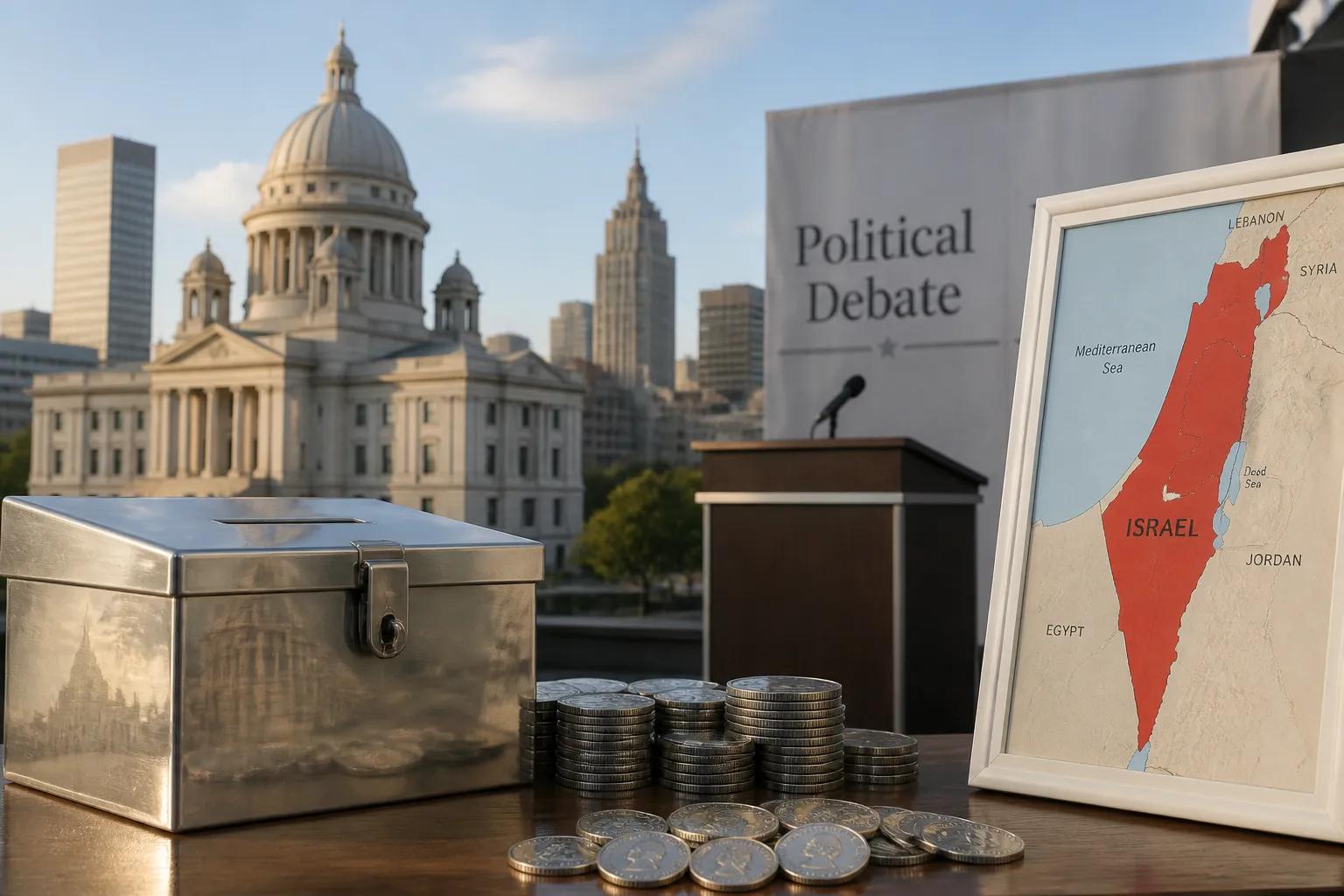
At the heart of the race was a proposed city ordinance that would require Providence to divest from companies linked to Israel. The measure, slated for a binding vote in November, would bar the city from investing in firms that operate in foreign countries conducting ethnic cleansing, apartheid, illegal military occupation or genocide. Morales supports the ordinance, while Smiley and local Jewish and pro‑Israel groups argue that it is unenforceable and likely violates state law. In a statement to Jewish Insider, Smiley called the ordinance “both unenforceable and likely in violation of existing state law.”
The Rhode Island‑Israel Collaborative, an organization that promotes business ties between the state and Israel, opposed both the ballot initiative and Morales. Avi Nevel, the group’s founder, told the Jewish Telegraphic Agency before the primary that Morales was “fueled by pro‑Palestinians and Israeli haters.”
The primary also unfolded against a backdrop of broader political shifts in the state. Governor Daniel McKee lost his own Democratic primary to an intra‑party challenger, a race driven by a scandal involving the closure of a major bridge rather than Israel‑related issues.
If Morales secures the mayoralty in November, he will become Providence’s youngest mayor in history. The city will also hold the first U.S. city‑wide vote on an anti‑Israel divestment measure, a referendum that could reshape Providence’s investment portfolio by excluding companies with ties to Israel.
For now, the next steps are clear: voters will decide in November whether to elect Morales as mayor and whether to approve the divestment ordinance. Election officials are preparing for the general election, while the Rhode Island‑Israel Collaborative and other pro‑Israel groups are mobilizing to oppose the measure.
The primary outcome underscores a growing trend in which international policy matters, particularly those surrounding Israel and Palestine, are influencing local elections. Providence’s race stands as a prominent example of how a national debate can shape the political landscape of a city.
The November election will ultimately determine both the mayoral office and Providence’s future investment strategy. Until then, the city sits on the brink of a potentially historic change in leadership and fiscal policy.
Smiley, who converted to Judaism in 2024 while serving as mayor, has been a familiar face in Providence politics since taking office in January 2023. Morales, a 27‑year‑old democratic socialist from the 7th district, entered the race in September 2025 and received endorsements from Senator Bernie Sanders and Representative Ro Khanna. In a city that is overwhelmingly Democratic, the primary winner is almost certain to become mayor in the November general election.
The campaign was punctuated by controversy. Pro‑Smiley flyers were defaced with Hitler mustaches and devil horns, an act that Morales condemned. He also criticized Smiley’s participation in a summit organized by the Combat Antisemitism Movement—a group in which Smiley holds a leadership position—claiming the event stifled pro‑Palestinian speech and lacked transparency about its funders.
At the heart of the race was a proposed city ordinance that would require Providence to divest from companies linked to Israel. The measure, slated for a binding vote in November, would bar the city from investing in firms that operate in foreign countries conducting ethnic cleansing, apartheid, illegal military occupation or genocide. Morales supports the ordinance, while Smiley and local Jewish and pro‑Israel groups argue that it is unenforceable and likely violates state law. In a statement to Jewish Insider, Smiley called the ordinance “both unenforceable and likely in violation of existing state law.”
The Rhode Island‑Israel Collaborative, an organization that promotes business ties between the state and Israel, opposed both the ballot initiative and Morales. Avi Nevel, the group’s founder, told the Jewish Telegraphic Agency before the primary that Morales was “fueled by pro‑Palestinians and Israeli haters.”
The primary also unfolded against a backdrop of broader political shifts in the state. Governor Daniel McKee lost his own Democratic primary to an intra‑party challenger, a race driven by a scandal involving the closure of a major bridge rather than Israel‑related issues.
If Morales secures the mayoralty in November, he will become Providence’s youngest mayor in history. The city will also hold the first U.S. city‑wide vote on an anti‑Israel divestment measure, a referendum that could reshape Providence’s investment portfolio by excluding companies with ties to Israel.
For now, the next steps are clear: voters will decide in November whether to elect Morales as mayor and whether to approve the divestment ordinance. Election officials are preparing for the general election, while the Rhode Island‑Israel Collaborative and other pro‑Israel groups are mobilizing to oppose the measure.
The primary outcome underscores a growing trend in which international policy matters, particularly those surrounding Israel and Palestine, are influencing local elections. Providence’s race stands as a prominent example of how a national debate can shape the political landscape of a city.
The November election will ultimately determine both the mayoral office and Providence’s future investment strategy. Until then, the city sits on the brink of a potentially historic change in leadership and fiscal policy.