Blab Politics
Israel-US Campaign Against Iran Leaves Regime Intact as Diplomatic Talks Exclude Israel
When Israel and the United States launched Operation Roaring Lion on 28 February 2026, they sought to dismantle Iran’s nuclear and missile capabilities. The first strike of the campaign even claimed the life of Supreme Leader Ali Khamenei, yet the regime has not fallen and Tehran still controls a sizeable arsenal.
The operation began with a joint airstrike campaign that targeted senior Iranian officials and key military sites. In addition to the assassination of Khamenei, the strikes damaged several nuclear facilities and other strategic infrastructure. While the attacks inflicted significant losses, they did not cripple the Iranian nuclear program.
According to the International Atomic Energy Agency, Iran still holds 440.9 kg of 60‑percent enriched uranium. That quantity is enough to produce roughly ten nuclear weapons if further enriched to 90 percent. Analysts estimate that rebuilding the country’s processing and enrichment capacity would take about two years, a timeline that keeps the threat alive.
Iran’s ballistic missile inventory has shrunk but remains large enough to threaten Israel and Gulf states. Between the start of Operation Roaring Lion and the current phase of hostilities, the country’s missile industry has actually expanded. The regime has replenished its arsenals, enabling it to strike Israeli and U.S. targets while depleting the interceptor stocks of its adversaries.
Regional proxies continue to operate and rebuild. Hamas has regained influence in Gaza and is blocking the deployment of peace forces under a former U.S. administration’s plan. Hezbollah remains engaged in combat with the IDF, inflicting casualties and damaging communities in northern Israel, while the Houthi movement in Yemen continues to fire whenever it chooses. Iran’s support for these groups keeps pressure on Israel and its allies.
Iran has also used economic leverage by closing the Strait of Hormuz and disrupting the Bab el‑Mandeb Strait, which has strained the global economy. Tehran’s negotiations with the United States have been slow, and the regime appears to be extracting concessions without urgency. The U.S. President has repeatedly threatened military action and imposed a naval blockade, but the talks have not yet produced a comprehensive agreement.
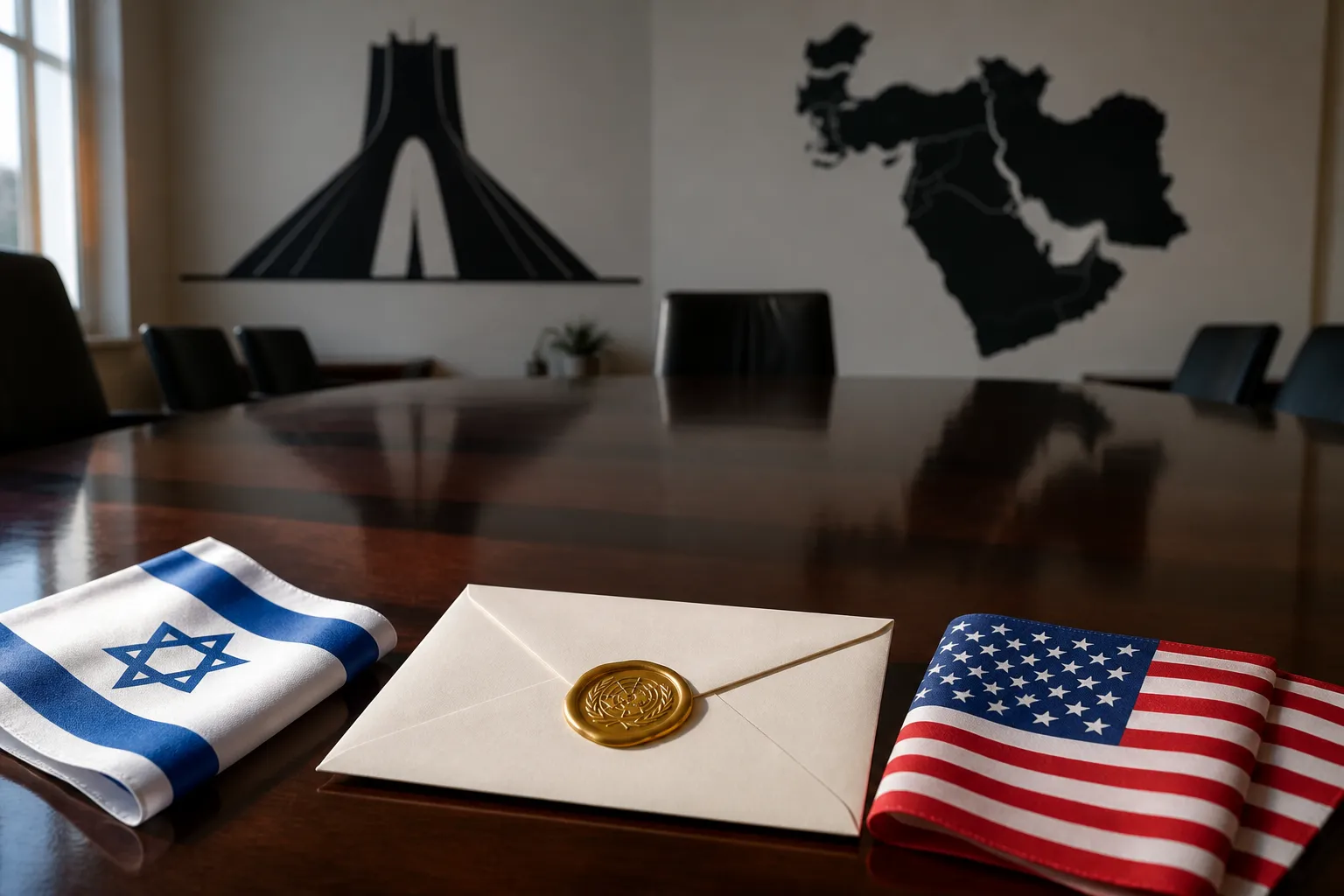
On the diplomatic front, the United States has excluded Israel from negotiations with Iran and has not shared details of the discussions with Israeli officials. According to the source, Israel’s interests are not being considered, and Jerusalem has not received information about meeting schedules or signing dates. The exclusion has coincided with a decline in Israel’s global standing, as public opinion surveys show the country among the most disliked states worldwide.
Prime Minister Benjamin Netanyahu has portrayed the campaign as a victory, claiming that Israel is stronger and Iran weaker. He has emphasized Israel’s “impressive string of assassinations” and stated that the nation has changed the face of the Middle East. However, the regime’s continued operation and the ongoing missile threat undermine the narrative of decisive success.
The current situation is a prolonged conflict with no clear resolution. A ceasefire brokered by Pakistan began on 8 April 2026, but Iran has refused to reopen the Strait of Hormuz, and the U.S. has extended the truce indefinitely. Israel remains dependent on Washington for strategic support, and the U.S. has signaled a willingness to impose further sanctions or military action if negotiations stall.
In summary, Israel’s military operations have not eliminated Iran’s nuclear or missile programs, and the regime remains in power. Diplomatic talks exclude Israel, and the country’s public diplomacy has suffered. The next steps involve continued negotiations in Islamabad, potential U.S. sanctions, and the possibility of renewed hostilities if Iran’s missile production or nuclear enrichment resumes. The situation remains unresolved, with both sides awaiting a definitive agreement that addresses Iran’s nuclear ambitions and regional security.
The operation began with a joint airstrike campaign that targeted senior Iranian officials and key military sites. In addition to the assassination of Khamenei, the strikes damaged several nuclear facilities and other strategic infrastructure. While the attacks inflicted significant losses, they did not cripple the Iranian nuclear program.
According to the International Atomic Energy Agency, Iran still holds 440.9 kg of 60‑percent enriched uranium. That quantity is enough to produce roughly ten nuclear weapons if further enriched to 90 percent. Analysts estimate that rebuilding the country’s processing and enrichment capacity would take about two years, a timeline that keeps the threat alive.
Iran’s ballistic missile inventory has shrunk but remains large enough to threaten Israel and Gulf states. Between the start of Operation Roaring Lion and the current phase of hostilities, the country’s missile industry has actually expanded. The regime has replenished its arsenals, enabling it to strike Israeli and U.S. targets while depleting the interceptor stocks of its adversaries.
Regional proxies continue to operate and rebuild. Hamas has regained influence in Gaza and is blocking the deployment of peace forces under a former U.S. administration’s plan. Hezbollah remains engaged in combat with the IDF, inflicting casualties and damaging communities in northern Israel, while the Houthi movement in Yemen continues to fire whenever it chooses. Iran’s support for these groups keeps pressure on Israel and its allies.
Iran has also used economic leverage by closing the Strait of Hormuz and disrupting the Bab el‑Mandeb Strait, which has strained the global economy. Tehran’s negotiations with the United States have been slow, and the regime appears to be extracting concessions without urgency. The U.S. President has repeatedly threatened military action and imposed a naval blockade, but the talks have not yet produced a comprehensive agreement.
On the diplomatic front, the United States has excluded Israel from negotiations with Iran and has not shared details of the discussions with Israeli officials. According to the source, Israel’s interests are not being considered, and Jerusalem has not received information about meeting schedules or signing dates. The exclusion has coincided with a decline in Israel’s global standing, as public opinion surveys show the country among the most disliked states worldwide.
Prime Minister Benjamin Netanyahu has portrayed the campaign as a victory, claiming that Israel is stronger and Iran weaker. He has emphasized Israel’s “impressive string of assassinations” and stated that the nation has changed the face of the Middle East. However, the regime’s continued operation and the ongoing missile threat undermine the narrative of decisive success.
The current situation is a prolonged conflict with no clear resolution. A ceasefire brokered by Pakistan began on 8 April 2026, but Iran has refused to reopen the Strait of Hormuz, and the U.S. has extended the truce indefinitely. Israel remains dependent on Washington for strategic support, and the U.S. has signaled a willingness to impose further sanctions or military action if negotiations stall.
In summary, Israel’s military operations have not eliminated Iran’s nuclear or missile programs, and the regime remains in power. Diplomatic talks exclude Israel, and the country’s public diplomacy has suffered. The next steps involve continued negotiations in Islamabad, potential U.S. sanctions, and the possibility of renewed hostilities if Iran’s missile production or nuclear enrichment resumes. The situation remains unresolved, with both sides awaiting a definitive agreement that addresses Iran’s nuclear ambitions and regional security.