Blab Politics
Keir Starmer Concludes Final PMQs Session Before Resignation
On July 15, 2026, the House of Commons saw the final act of Keir Starmer’s premiership as he delivered his last Prime Minister’s Questions (PMQs) address before announcing his resignation.
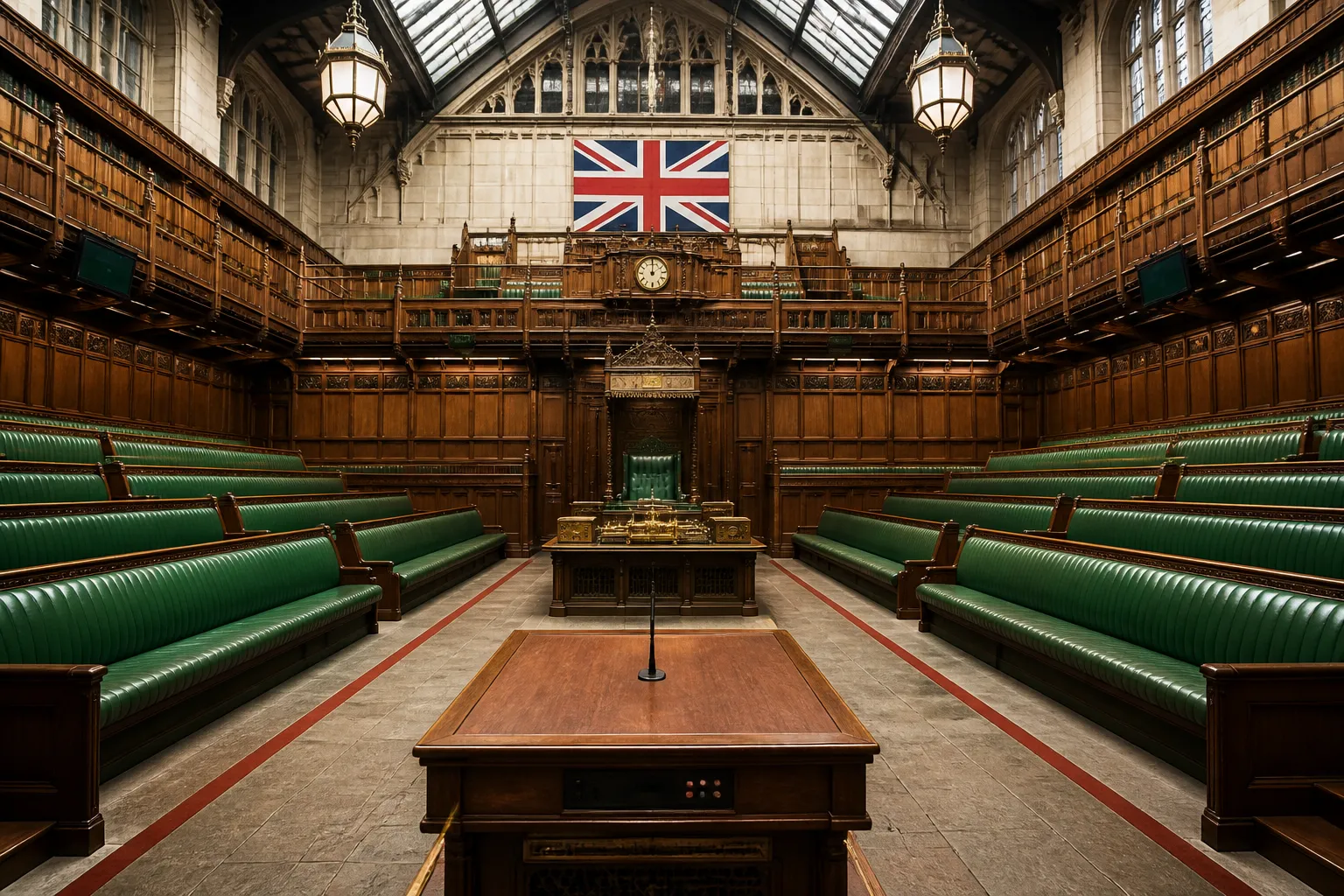
The session, held in the Commons chamber at 10 Downing Street, gave the Labour leader one final chance to field questions from MPs and to reflect on his time in office. Starmer, who has led Labour since 2020 and taken the premiership after the July 2024 general election, said he would step down on Monday following a loss of confidence from his own MPs. The premiership will pass to Andy Burnham, the former Greater Manchester mayor who is the sole candidate in the upcoming Labour leadership contest.
Starmer opened by expressing horror at the murder of former lawmaker Ann Widdecombe, which police are investigating as a homicide. He described the killing as “chilling” and urged politicians to do more to defend democracy, noting that three serving or former MPs had been killed during his 11‑year career in Parliament.
He also sidestepped the usual briefing on upcoming ministerial meetings, instead mentioning an “important appointment with television” that would take place when England faces Argentina in a World Cup semifinal. The remarks were interspersed with personal tributes to his wife Victoria and teenage children, who were watching from a viewing gallery.
Opposition leader Kemi Badenoch, the fourth Conservative leader since 2022, warned Labour that a change of leadership is not a cure‑all. She recalled that Starmer had previously predicted she would not last a year in charge. The two parties exchanged brief barbs, a familiar feature of PMQs.
Starmer’s final remarks highlighted domestic achievements he claimed his government had delivered: stronger protections for workers, a reduction in child poverty, a law to prevent official cover‑ups after tragedies, and increased defence spending. He also praised his record on foreign policy, noting his role in repairing ties with European partners after Brexit and in rallying international support for Ukraine.
The session ended with a standing ovation from MPs on both sides of the aisle. Speaker Lindsay Hoyle later reminded members that while cheering is allowed, clapping is not permitted in the Commons.
Starmer’s resignation follows a period of declining popularity for both him and the Labour Party. His approval rating fell to a negative 46 percent by November 2025, and the party suffered significant losses in local elections in 2025 and 2026. The decision to step down was announced on June 22 after a leadership vote that saw 80 percent of Labour MPs endorse Burnham.
The resignation will be formalised when Starmer meets King Charles III at Buckingham Palace on Monday. The king will then ask Burnham to take over as prime minister.
The final PMQs session also touched on controversies that had plagued the government. Starmer’s appointment of Peter Mandelson as ambassador to the United States in 2025 was later rescinded after allegations of ties to convicted sex offender Jeffrey Epstein surfaced. Mandelson resigned from the Labour Party and the House of Lords in February 2026, and a Metropolitan Police investigation is ongoing.
As the UK moves toward a new leadership, the next national election remains scheduled for 2029, unless a general election is called earlier. For now, the country will see a transition of power within the existing parliamentary framework.
The current situation is that Starmer will remain a backbench MP for the remainder of his term, while Burnham prepares to assume the role of prime minister and Labour leader. No further votes or legal deadlines are pending beyond the formal resignation and the leadership election that will conclude in July. The story remains under close observation as MPs, party members, and the public await the formal handover of power and the next steps in the Labour Party’s leadership process.
The session, held in the Commons chamber at 10 Downing Street, gave the Labour leader one final chance to field questions from MPs and to reflect on his time in office. Starmer, who has led Labour since 2020 and taken the premiership after the July 2024 general election, said he would step down on Monday following a loss of confidence from his own MPs. The premiership will pass to Andy Burnham, the former Greater Manchester mayor who is the sole candidate in the upcoming Labour leadership contest.
Starmer opened by expressing horror at the murder of former lawmaker Ann Widdecombe, which police are investigating as a homicide. He described the killing as “chilling” and urged politicians to do more to defend democracy, noting that three serving or former MPs had been killed during his 11‑year career in Parliament.
He also sidestepped the usual briefing on upcoming ministerial meetings, instead mentioning an “important appointment with television” that would take place when England faces Argentina in a World Cup semifinal. The remarks were interspersed with personal tributes to his wife Victoria and teenage children, who were watching from a viewing gallery.
Opposition leader Kemi Badenoch, the fourth Conservative leader since 2022, warned Labour that a change of leadership is not a cure‑all. She recalled that Starmer had previously predicted she would not last a year in charge. The two parties exchanged brief barbs, a familiar feature of PMQs.
Starmer’s final remarks highlighted domestic achievements he claimed his government had delivered: stronger protections for workers, a reduction in child poverty, a law to prevent official cover‑ups after tragedies, and increased defence spending. He also praised his record on foreign policy, noting his role in repairing ties with European partners after Brexit and in rallying international support for Ukraine.
The session ended with a standing ovation from MPs on both sides of the aisle. Speaker Lindsay Hoyle later reminded members that while cheering is allowed, clapping is not permitted in the Commons.
Starmer’s resignation follows a period of declining popularity for both him and the Labour Party. His approval rating fell to a negative 46 percent by November 2025, and the party suffered significant losses in local elections in 2025 and 2026. The decision to step down was announced on June 22 after a leadership vote that saw 80 percent of Labour MPs endorse Burnham.
The resignation will be formalised when Starmer meets King Charles III at Buckingham Palace on Monday. The king will then ask Burnham to take over as prime minister.
The final PMQs session also touched on controversies that had plagued the government. Starmer’s appointment of Peter Mandelson as ambassador to the United States in 2025 was later rescinded after allegations of ties to convicted sex offender Jeffrey Epstein surfaced. Mandelson resigned from the Labour Party and the House of Lords in February 2026, and a Metropolitan Police investigation is ongoing.
As the UK moves toward a new leadership, the next national election remains scheduled for 2029, unless a general election is called earlier. For now, the country will see a transition of power within the existing parliamentary framework.
The current situation is that Starmer will remain a backbench MP for the remainder of his term, while Burnham prepares to assume the role of prime minister and Labour leader. No further votes or legal deadlines are pending beyond the formal resignation and the leadership election that will conclude in July. The story remains under close observation as MPs, party members, and the public await the formal handover of power and the next steps in the Labour Party’s leadership process.