Blab Politics
Ohio Gubernatorial Race Highlights Wealth Gap: Ramaswamys Bid Draws Scrutiny
Ohio voters are watching a billionaire eye the governor’s office, and the question is whether money will outweigh experience. On July 15, 2026, the state’s Republican primary concluded with biotech entrepreneur Vivek Ramaswamy—who is estimated to be worth $3 billion—topping the ballot and securing the party’s nomination. The general election is scheduled for November 3, 2026.
Ramaswamy’s roots are firmly planted in Ohio: he was born in Cincinnati to Indian immigrant parents and earned a bachelor’s degree in biology from Harvard in 2007 before adding a J.D. from Yale in 2013. He spent several years as an investment partner at a New York hedge fund before launching Roivant Sciences in 2014, a biopharmaceutical company that has become the cornerstone of his wealth. In 2022 he co‑founded Strive Asset Management, an investment firm that relocated to Texas in 2024. None of these ventures have had a significant presence in Ohio, and Ramaswamy’s personal fortune has largely come from biotech and financial markets outside the state.
The first batch of campaign finance disclosures, released on the day of the primary, revealed a striking cash advantage for Ramaswamy’s campaign. According to the reports, the campaign received a $5 million contribution from Elon Musk and a sizable gift from finance CEO Brandon Lutnick, a fellow cryptocurrency investor. Additional funding flowed in from multiple political action committees and Super PACs that are backed by donors across the country. The result is a statewide advertising blitz that has been described as “blanketing Ohio.” The ads focus heavily on Ramaswamy’s business credentials while offering limited discussion of policy details.
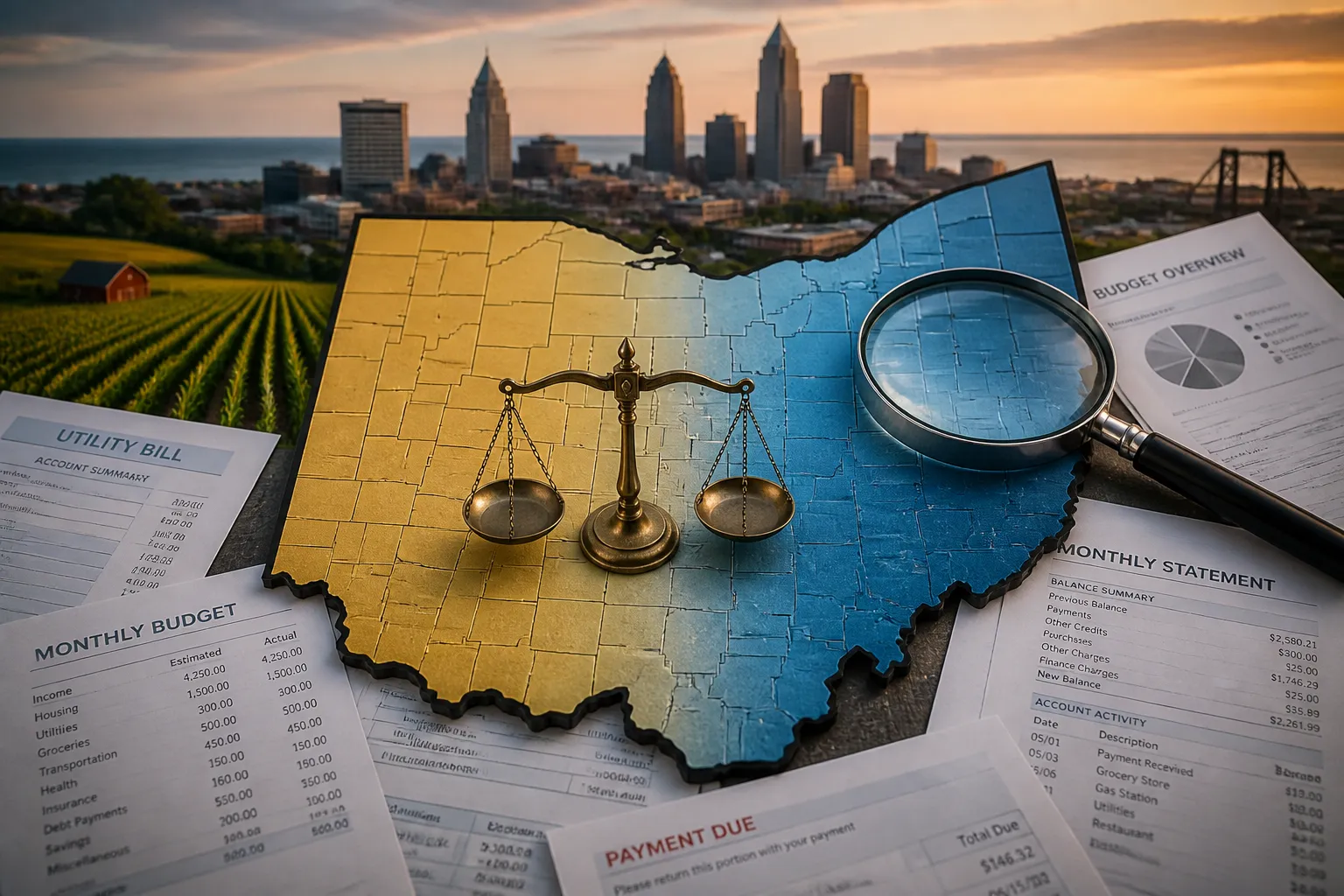
Ohio’s median household income is roughly $72,000, a figure that underscores the economic divide between the state’s average residents and the wealthy candidates now entering statewide races. In recent years, the Republican Party has nominated multi‑millionaire candidates for U.S. Senate seats—Bernardo Moreno, a cryptocurrency entrepreneur, and James David Vance, a former venture capitalist and author of Hillbilly Elegy—both of whom, like Ramaswamy, have limited experience in Ohio government. Their campaigns have similarly relied on large financial contributions and PAC spending.
Political observers caution that wealth can create a barrier to understanding the day‑to‑day challenges faced by middle‑ and working‑class Ohioans. One analysis noted that “wealth insulates folks from the economic issues facing middle‑ and working‑class people” and that “wealthy candidates and their campaigns try to conflate personal wealth with competence and efficiency.” The same piece pointed out that “unlimited money ensures that wealthy candidate ads are in every part of the state,” which can obscure a lack of relevant public‑service experience.
The state’s political landscape remains dominated by Republicans in statewide offices, but voters are increasingly vocal about economic concerns such as tax cuts for the wealthy, inflation, and government spending on special interests. The analysis emphasizes that voters should evaluate candidates based on life experience, policy positions, and a demonstrated ability to relate to Ohio residents rather than on campaign spending.
As of the latest reports, the primary election has concluded with Ramaswamy securing the Republican nomination. No additional votes or legal actions have been reported that would alter the current status of the race. Voters and political analysts will continue to monitor campaign finance disclosures and policy proposals as the campaign season progresses.
In sum, Ramaswamy’s gubernatorial campaign illustrates a broader trend of wealthy individuals entering Ohio politics with significant financial resources but limited state‑level public‑service experience. The upcoming election will test whether Ohio voters prioritize financial backing over local experience and policy substance.
Ramaswamy’s roots are firmly planted in Ohio: he was born in Cincinnati to Indian immigrant parents and earned a bachelor’s degree in biology from Harvard in 2007 before adding a J.D. from Yale in 2013. He spent several years as an investment partner at a New York hedge fund before launching Roivant Sciences in 2014, a biopharmaceutical company that has become the cornerstone of his wealth. In 2022 he co‑founded Strive Asset Management, an investment firm that relocated to Texas in 2024. None of these ventures have had a significant presence in Ohio, and Ramaswamy’s personal fortune has largely come from biotech and financial markets outside the state.
The first batch of campaign finance disclosures, released on the day of the primary, revealed a striking cash advantage for Ramaswamy’s campaign. According to the reports, the campaign received a $5 million contribution from Elon Musk and a sizable gift from finance CEO Brandon Lutnick, a fellow cryptocurrency investor. Additional funding flowed in from multiple political action committees and Super PACs that are backed by donors across the country. The result is a statewide advertising blitz that has been described as “blanketing Ohio.” The ads focus heavily on Ramaswamy’s business credentials while offering limited discussion of policy details.
Ohio’s median household income is roughly $72,000, a figure that underscores the economic divide between the state’s average residents and the wealthy candidates now entering statewide races. In recent years, the Republican Party has nominated multi‑millionaire candidates for U.S. Senate seats—Bernardo Moreno, a cryptocurrency entrepreneur, and James David Vance, a former venture capitalist and author of Hillbilly Elegy—both of whom, like Ramaswamy, have limited experience in Ohio government. Their campaigns have similarly relied on large financial contributions and PAC spending.
Political observers caution that wealth can create a barrier to understanding the day‑to‑day challenges faced by middle‑ and working‑class Ohioans. One analysis noted that “wealth insulates folks from the economic issues facing middle‑ and working‑class people” and that “wealthy candidates and their campaigns try to conflate personal wealth with competence and efficiency.” The same piece pointed out that “unlimited money ensures that wealthy candidate ads are in every part of the state,” which can obscure a lack of relevant public‑service experience.
The state’s political landscape remains dominated by Republicans in statewide offices, but voters are increasingly vocal about economic concerns such as tax cuts for the wealthy, inflation, and government spending on special interests. The analysis emphasizes that voters should evaluate candidates based on life experience, policy positions, and a demonstrated ability to relate to Ohio residents rather than on campaign spending.
As of the latest reports, the primary election has concluded with Ramaswamy securing the Republican nomination. No additional votes or legal actions have been reported that would alter the current status of the race. Voters and political analysts will continue to monitor campaign finance disclosures and policy proposals as the campaign season progresses.
In sum, Ramaswamy’s gubernatorial campaign illustrates a broader trend of wealthy individuals entering Ohio politics with significant financial resources but limited state‑level public‑service experience. The upcoming election will test whether Ohio voters prioritize financial backing over local experience and policy substance.