Blab Politics
Baja California Governor Blasts Audio Leak as Political Trap While State Urges Vulnerable Families to Apply for Summer Electricity Aid
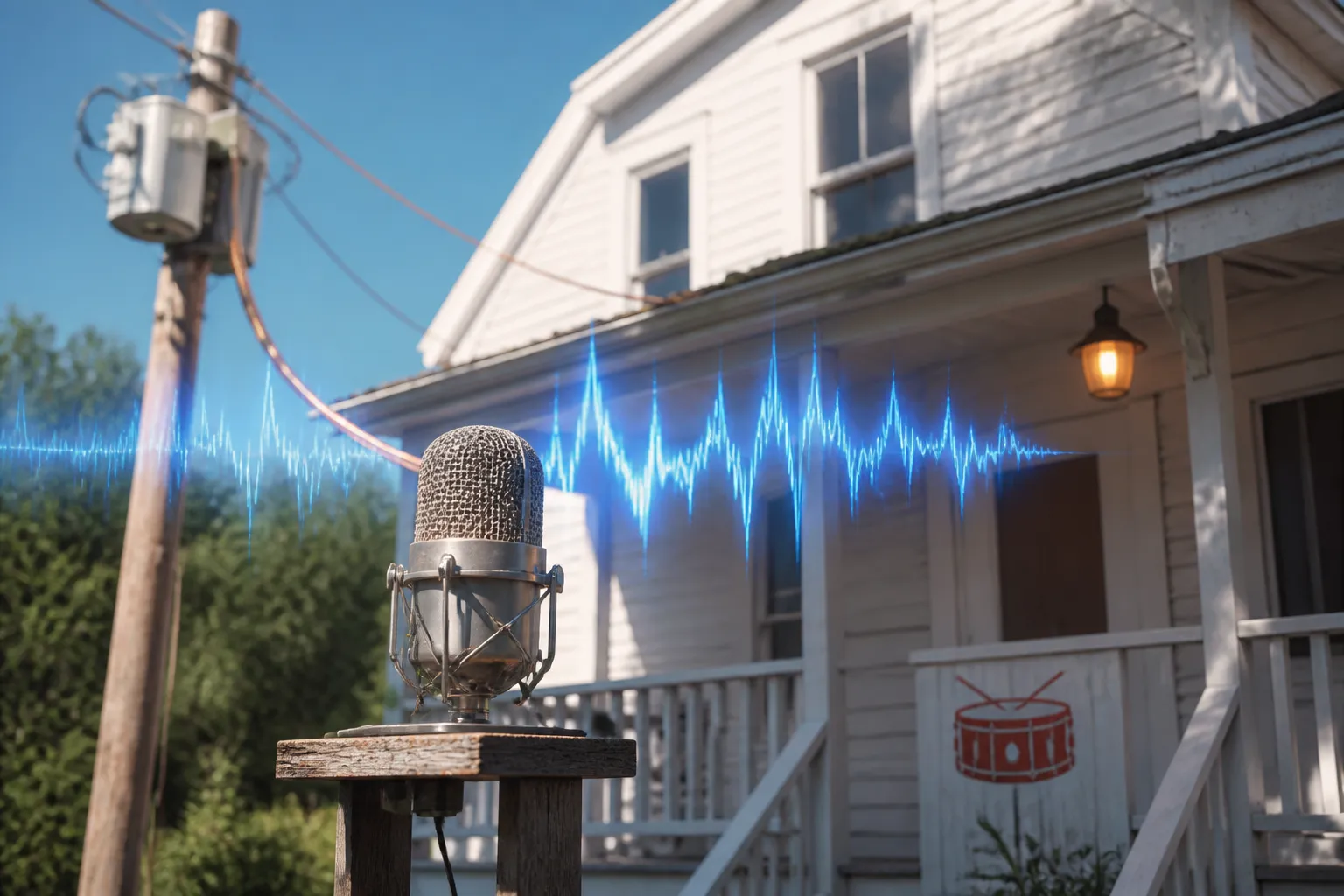
On July 16, 2026, Baja California’s governor, Marina del Pilar Ávila Olmeda, took to her official Facebook page to fire back at a wave of audio clips that had begun circulating online. The recordings, allegedly taken from a December 15, 2025 meeting in Tijuana, were presented as evidence that the governor had shared classified information with foreign officials. In her video, Ávila Olmeda dismissed the material as a deliberate smear orchestrated by her predecessor, former governor Jaime Bonilla.
The governor’s response was swift and uncompromising. She explained that she had been invited by Bonilla to meet with people who claimed to represent U.S. authorities, ostensibly to discuss a personal visa matter. According to Ávila Olmeda, the encounter was a trap: the attendees posed as U.S. agents, recorded her without consent, and later released a fabricated narrative. She further accused Bonilla’s emissaries of cutting and pasting the audio to create a false story that would tarnish her reputation ahead of the upcoming pre‑electoral season.
These allegations come as Bonilla faces criminal charges in Mexico for alleged embezzlement and abuse of authority tied to the NextEnergy photovoltaic project. No official statement has come from Bonilla’s office, and no court documents have been released to confirm or refute the governor’s claims. The audio leak remains unverified by independent sources.
While the political drama unfolded, state officials moved to address a more immediate crisis. Secretary General Juan José Pon Méndez convened a meeting with representatives from the Federal Electricity Commission (CFE), the Secretariat of Welfare, and the local advocacy group Frente Cívico Mexicalense. The purpose: to launch an emergency electricity subsidy for families in the desert communities of Mexicali and San Felipe.
The subsidy targets residents in an area where summer temperatures routinely climb above 40 °C. The program is designed to prevent power disconnections that could jeopardize health during the heat wave. Applications will remain open through July and August, and eligible families must provide a valid government‑issued photo ID, their CURP, the most recent CFE bill, a reliable contact phone number, and an official document or medical certificate confirming their vulnerable status.
Applicants can submit their paperwork in person at Secretariat of Welfare offices, the Mexicali Integration Center (Centro Integrador), or the municipal delegation in San Felipe. Once approved, state staff will contact beneficiaries to activate the protection against service suspension.
The juxtaposition of these two developments paints a complex picture of Baja California’s political and social landscape. On one side, Ávila Olmeda’s accusations underscore a deep rift between her administration and Bonilla’s political faction. On the other, the electricity aid program reflects the state’s ongoing commitment to address the immediate needs of its residents amid extreme weather.
No additional policy changes have been announced in either case. The governor has indicated that her focus will remain on public safety, binational coordination, and state development.
At present, the audio scandal remains unverified, and the legal status of the alleged recordings is unknown. The electricity subsidy program is operational, with application deadlines set for the end of August. Residents in Mexicali and San Felipe are encouraged to apply promptly to avoid potential power interruptions.
The governor’s response was swift and uncompromising. She explained that she had been invited by Bonilla to meet with people who claimed to represent U.S. authorities, ostensibly to discuss a personal visa matter. According to Ávila Olmeda, the encounter was a trap: the attendees posed as U.S. agents, recorded her without consent, and later released a fabricated narrative. She further accused Bonilla’s emissaries of cutting and pasting the audio to create a false story that would tarnish her reputation ahead of the upcoming pre‑electoral season.
These allegations come as Bonilla faces criminal charges in Mexico for alleged embezzlement and abuse of authority tied to the NextEnergy photovoltaic project. No official statement has come from Bonilla’s office, and no court documents have been released to confirm or refute the governor’s claims. The audio leak remains unverified by independent sources.
While the political drama unfolded, state officials moved to address a more immediate crisis. Secretary General Juan José Pon Méndez convened a meeting with representatives from the Federal Electricity Commission (CFE), the Secretariat of Welfare, and the local advocacy group Frente Cívico Mexicalense. The purpose: to launch an emergency electricity subsidy for families in the desert communities of Mexicali and San Felipe.
The subsidy targets residents in an area where summer temperatures routinely climb above 40 °C. The program is designed to prevent power disconnections that could jeopardize health during the heat wave. Applications will remain open through July and August, and eligible families must provide a valid government‑issued photo ID, their CURP, the most recent CFE bill, a reliable contact phone number, and an official document or medical certificate confirming their vulnerable status.
Applicants can submit their paperwork in person at Secretariat of Welfare offices, the Mexicali Integration Center (Centro Integrador), or the municipal delegation in San Felipe. Once approved, state staff will contact beneficiaries to activate the protection against service suspension.
The juxtaposition of these two developments paints a complex picture of Baja California’s political and social landscape. On one side, Ávila Olmeda’s accusations underscore a deep rift between her administration and Bonilla’s political faction. On the other, the electricity aid program reflects the state’s ongoing commitment to address the immediate needs of its residents amid extreme weather.
No additional policy changes have been announced in either case. The governor has indicated that her focus will remain on public safety, binational coordination, and state development.
At present, the audio scandal remains unverified, and the legal status of the alleged recordings is unknown. The electricity subsidy program is operational, with application deadlines set for the end of August. Residents in Mexicali and San Felipe are encouraged to apply promptly to avoid potential power interruptions.