Blab Politics
New York City Faces ICE Surge as Mayor Mamdani Upholds Sanctuary Policies
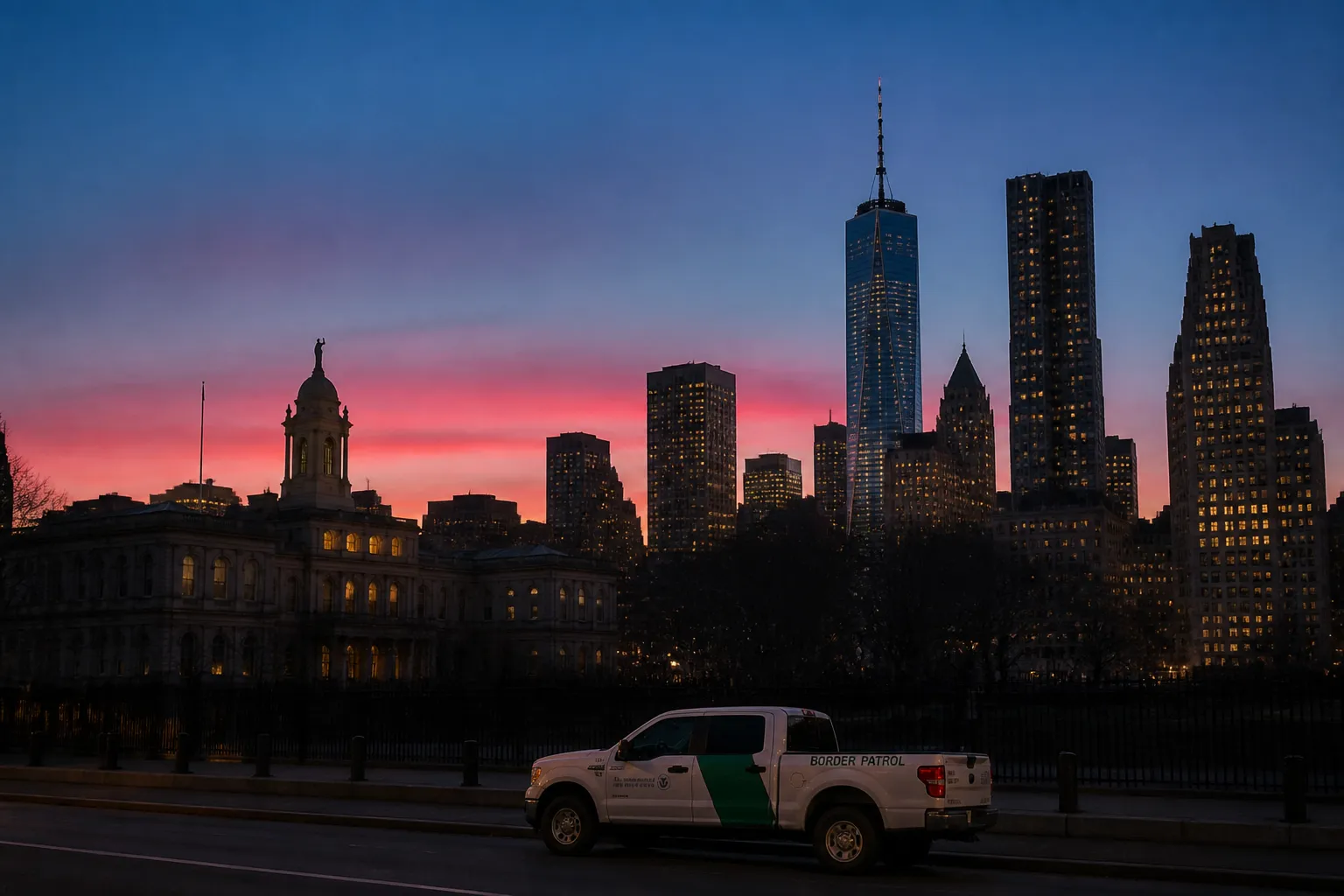
On Monday, June 8 2026, White House Border Czar Tom Homan announced that the Department of Homeland Security has approved an operational plan to increase U.S. Immigration and Customs Enforcement (ICE) personnel in New York City. Homan told reporters that the city will see “more ICE than you’ve ever seen” and that the surge is already underway. The announcement follows a series of federal actions aimed at tightening immigration enforcement.
ICE is a federal law‑enforcement agency under the Department of Homeland Security. Its mission is to conduct criminal investigations, enforce immigration laws, and preserve national security. The agency’s Enforcement and Removal Operations (ERO) component is responsible for detaining and removing individuals who are in the United States without legal status.
Mayor Zohran Mamdani, who took office on January 1 2026, has repeatedly stated that New York City will remain a sanctuary city. In February 2026, he issued an executive order that limits city agencies’ cooperation with ICE for civil immigration enforcement. The order bars ICE from using city property unless a judicial warrant is obtained and requires local agencies to review their policies on cooperation.
Mamdani has also said that ICE should be abolished and has urged residents to record ICE actions. In a public statement, he emphasized that the city will not assist ICE in civil immigration enforcement, but he acknowledged that federal law remains enforceable.
The mayor’s position is consistent with the legal framework that allows municipalities to restrict cooperation with federal immigration authorities. However, the mayor cannot prevent ICE from carrying out federal law. The federal government retains the authority to enforce immigration statutes, and ICE agents are not subject to local jurisdiction.
Protests have already taken place in response to the announced surge. In May, a crowd gathered during an ICE arrest at a Brooklyn hospital. Police said the protesters blocked traffic, and eight people were charged with offenses ranging from resisting arrest to obstructing government administration and criminal mischief. The charges were filed under 18 U.S.C. § 111, which makes it a federal crime to forcibly resist, impede, or interfere with federal officers.
The federal government has responded to recent incidents involving ICE agents by expanding body‑camera requirements. On July 15 2026, the Department of Homeland Security announced that every ICE arrest team will have at least one officer wearing a body camera. The policy was introduced after two ICE agents fatally shot individuals in Texas and Maine in early July. DHS officials said the body‑camera requirement is intended to provide evidence and protect both officers and the public.
In an interview with CBS News’ Face the Nation, Homan said that body cameras “exonerate agents more than they provide evidence of wrongdoing.” He added that the cameras would allow the public to see what an officer sees when making an arrest.
The combination of a federal ICE surge, a city that has limited cooperation with federal immigration enforcement, and the new body‑camera mandate creates a complex legal and operational environment. While protests are protected under the First Amendment, the mayor has urged residents not to obstruct or interfere with ICE arrests. He has warned that any form of obstruction could lead to federal charges.
The situation remains fluid. The ICE surge is expected to bring additional agents to the city over the coming weeks, and the mayor’s executive orders will continue to shape the extent of local cooperation. The body‑camera policy will be implemented across all ICE teams, and the legal framework for protest and interference remains unchanged.
At this time, no additional ICE operations have been announced beyond the surge plan, and no new legislation has been introduced to alter the city’s sanctuary status. The federal government has not issued any directives that would override the mayor’s orders. The next significant development will likely come from the ongoing ICE operations and any further statements from the mayor or federal officials.
The current situation is that New York City is preparing for a large influx of ICE personnel while maintaining its sanctuary policies. Residents and activists are advised to be aware of the legal boundaries of protest and to avoid actions that could be construed as obstruction under federal law.
ICE is a federal law‑enforcement agency under the Department of Homeland Security. Its mission is to conduct criminal investigations, enforce immigration laws, and preserve national security. The agency’s Enforcement and Removal Operations (ERO) component is responsible for detaining and removing individuals who are in the United States without legal status.
Mayor Zohran Mamdani, who took office on January 1 2026, has repeatedly stated that New York City will remain a sanctuary city. In February 2026, he issued an executive order that limits city agencies’ cooperation with ICE for civil immigration enforcement. The order bars ICE from using city property unless a judicial warrant is obtained and requires local agencies to review their policies on cooperation.
Mamdani has also said that ICE should be abolished and has urged residents to record ICE actions. In a public statement, he emphasized that the city will not assist ICE in civil immigration enforcement, but he acknowledged that federal law remains enforceable.
The mayor’s position is consistent with the legal framework that allows municipalities to restrict cooperation with federal immigration authorities. However, the mayor cannot prevent ICE from carrying out federal law. The federal government retains the authority to enforce immigration statutes, and ICE agents are not subject to local jurisdiction.
Protests have already taken place in response to the announced surge. In May, a crowd gathered during an ICE arrest at a Brooklyn hospital. Police said the protesters blocked traffic, and eight people were charged with offenses ranging from resisting arrest to obstructing government administration and criminal mischief. The charges were filed under 18 U.S.C. § 111, which makes it a federal crime to forcibly resist, impede, or interfere with federal officers.
The federal government has responded to recent incidents involving ICE agents by expanding body‑camera requirements. On July 15 2026, the Department of Homeland Security announced that every ICE arrest team will have at least one officer wearing a body camera. The policy was introduced after two ICE agents fatally shot individuals in Texas and Maine in early July. DHS officials said the body‑camera requirement is intended to provide evidence and protect both officers and the public.
In an interview with CBS News’ Face the Nation, Homan said that body cameras “exonerate agents more than they provide evidence of wrongdoing.” He added that the cameras would allow the public to see what an officer sees when making an arrest.
The combination of a federal ICE surge, a city that has limited cooperation with federal immigration enforcement, and the new body‑camera mandate creates a complex legal and operational environment. While protests are protected under the First Amendment, the mayor has urged residents not to obstruct or interfere with ICE arrests. He has warned that any form of obstruction could lead to federal charges.
The situation remains fluid. The ICE surge is expected to bring additional agents to the city over the coming weeks, and the mayor’s executive orders will continue to shape the extent of local cooperation. The body‑camera policy will be implemented across all ICE teams, and the legal framework for protest and interference remains unchanged.
At this time, no additional ICE operations have been announced beyond the surge plan, and no new legislation has been introduced to alter the city’s sanctuary status. The federal government has not issued any directives that would override the mayor’s orders. The next significant development will likely come from the ongoing ICE operations and any further statements from the mayor or federal officials.
The current situation is that New York City is preparing for a large influx of ICE personnel while maintaining its sanctuary policies. Residents and activists are advised to be aware of the legal boundaries of protest and to avoid actions that could be construed as obstruction under federal law.