Blab Politics
Progressive YouTuber Brian Tyler Cohen Turns Spotlight on California Attorney Generals Antitrust Fight
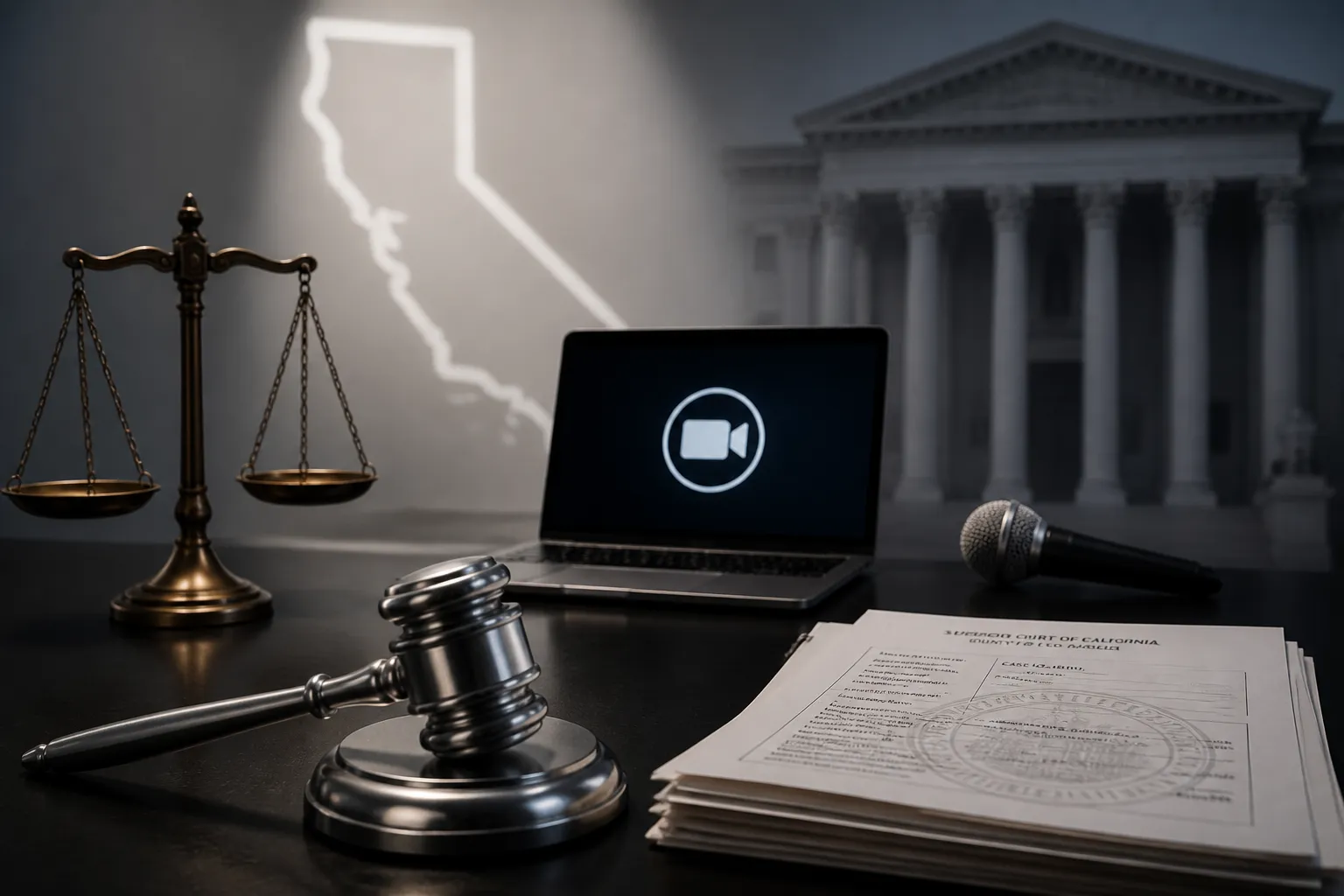
On July 14 2026, California’s Attorney General, Rob Bonta, swapped the courthouse for a YouTube studio, turning No Lie with Brian Tyler Cohen into a front‑line courtroom for a high‑stakes corporate battle. The move came as Bonta’s 12‑state coalition sued the proposed $111 billion merger of Paramount Studios and Warner Bros. Discovery, a deal approved by the Trump administration last month.
Brian Tyler Cohen, born January 12 1989, has grown his channel into one of the most viewed progressive platforms in the U.S. By February 2026, No Lie boasted more than 5 million subscribers and over 4 billion cumulative views. The show blends live‑streamed political events, in‑depth interviews with elected officials, and explainer videos that break down complex news for a broad audience.
Cohen’s format has attracted a roster of Democratic leaders. In February 2022 he became the first YouTube creator to interview President Joe Biden, and in February 2026 he interviewed former President Barack Obama. The program has also featured Senator Bernie Sanders and Representative Alexandria Ocasio‑Cortez, positioning it as a go‑to venue for politicians who want to reach voters outside traditional cable news or press conferences.
In the July 14 episode, Bonta said the Paramount–Warner merger “breaks the law” and is “anti‑competitive.” He warned that the deal would raise consumer prices and stifle competition in the entertainment industry. The lawsuit, part of a broader antitrust action that includes 12 states, alleges that the merger violates the Clayton Act by creating a monopoly that could harm consumers.
Bonta’s appearance on Cohen’s show is a calculated effort to mobilize progressive voters who are skeptical of large corporate consolidations. Cohen’s audience is largely younger and politically engaged, and his platform allows state officials to present legal arguments in a format that is accessible to non‑experts. The collaboration also underscores the growing influence of social‑media‑based commentators in shaping public discourse on regulatory matters.
The merger lawsuit has already attracted attention from the entertainment industry and regulators. A Democracy Now! segment on July 15 2026 highlighted that the lawsuit could delay the merger’s completion and force the companies to address antitrust concerns before moving forward. The case is currently pending in federal court, and the parties have not yet agreed on a settlement.
Bonta’s next steps involve filing additional documents that detail the economic impact of the merger on California consumers and businesses. The lawsuit is expected to proceed to discovery, where both sides will exchange evidence. If the court finds the merger unlawful, it could order a divestiture or impose conditions to preserve competition.
The partnership between a state attorney general and a progressive YouTuber illustrates how legal battles over corporate consolidation are being framed for a broader audience. While the lawsuit remains in its early stages, it signals that state officials are willing to use new media platforms to build public support for antitrust enforcement.
In summary, California Attorney General Rob Bonta has leveraged Brian Tyler Cohen’s No Lie platform to rally progressive voters around the state’s antitrust lawsuit against the Paramount‑Warner Bros. merger. The case, part of a 12‑state coalition, remains pending in federal court, with discovery and potential litigation to follow. The outcome will have implications for the entertainment industry, consumer prices, and the broader debate over corporate consolidation in the United States.
Brian Tyler Cohen, born January 12 1989, has grown his channel into one of the most viewed progressive platforms in the U.S. By February 2026, No Lie boasted more than 5 million subscribers and over 4 billion cumulative views. The show blends live‑streamed political events, in‑depth interviews with elected officials, and explainer videos that break down complex news for a broad audience.
Cohen’s format has attracted a roster of Democratic leaders. In February 2022 he became the first YouTube creator to interview President Joe Biden, and in February 2026 he interviewed former President Barack Obama. The program has also featured Senator Bernie Sanders and Representative Alexandria Ocasio‑Cortez, positioning it as a go‑to venue for politicians who want to reach voters outside traditional cable news or press conferences.
In the July 14 episode, Bonta said the Paramount–Warner merger “breaks the law” and is “anti‑competitive.” He warned that the deal would raise consumer prices and stifle competition in the entertainment industry. The lawsuit, part of a broader antitrust action that includes 12 states, alleges that the merger violates the Clayton Act by creating a monopoly that could harm consumers.
Bonta’s appearance on Cohen’s show is a calculated effort to mobilize progressive voters who are skeptical of large corporate consolidations. Cohen’s audience is largely younger and politically engaged, and his platform allows state officials to present legal arguments in a format that is accessible to non‑experts. The collaboration also underscores the growing influence of social‑media‑based commentators in shaping public discourse on regulatory matters.
The merger lawsuit has already attracted attention from the entertainment industry and regulators. A Democracy Now! segment on July 15 2026 highlighted that the lawsuit could delay the merger’s completion and force the companies to address antitrust concerns before moving forward. The case is currently pending in federal court, and the parties have not yet agreed on a settlement.
Bonta’s next steps involve filing additional documents that detail the economic impact of the merger on California consumers and businesses. The lawsuit is expected to proceed to discovery, where both sides will exchange evidence. If the court finds the merger unlawful, it could order a divestiture or impose conditions to preserve competition.
The partnership between a state attorney general and a progressive YouTuber illustrates how legal battles over corporate consolidation are being framed for a broader audience. While the lawsuit remains in its early stages, it signals that state officials are willing to use new media platforms to build public support for antitrust enforcement.
In summary, California Attorney General Rob Bonta has leveraged Brian Tyler Cohen’s No Lie platform to rally progressive voters around the state’s antitrust lawsuit against the Paramount‑Warner Bros. merger. The case, part of a 12‑state coalition, remains pending in federal court, with discovery and potential litigation to follow. The outcome will have implications for the entertainment industry, consumer prices, and the broader debate over corporate consolidation in the United States.