Blab Politics
U.S. and Russia Vote Against New UN AIDS Declaration, Signaling Shift in Global HIV Response
On June 22‑23, New York’s United Nations General Assembly hosted its High‑Level Meeting on HIV and AIDS, and the world watched as the United States and Russia broke with the global consensus.
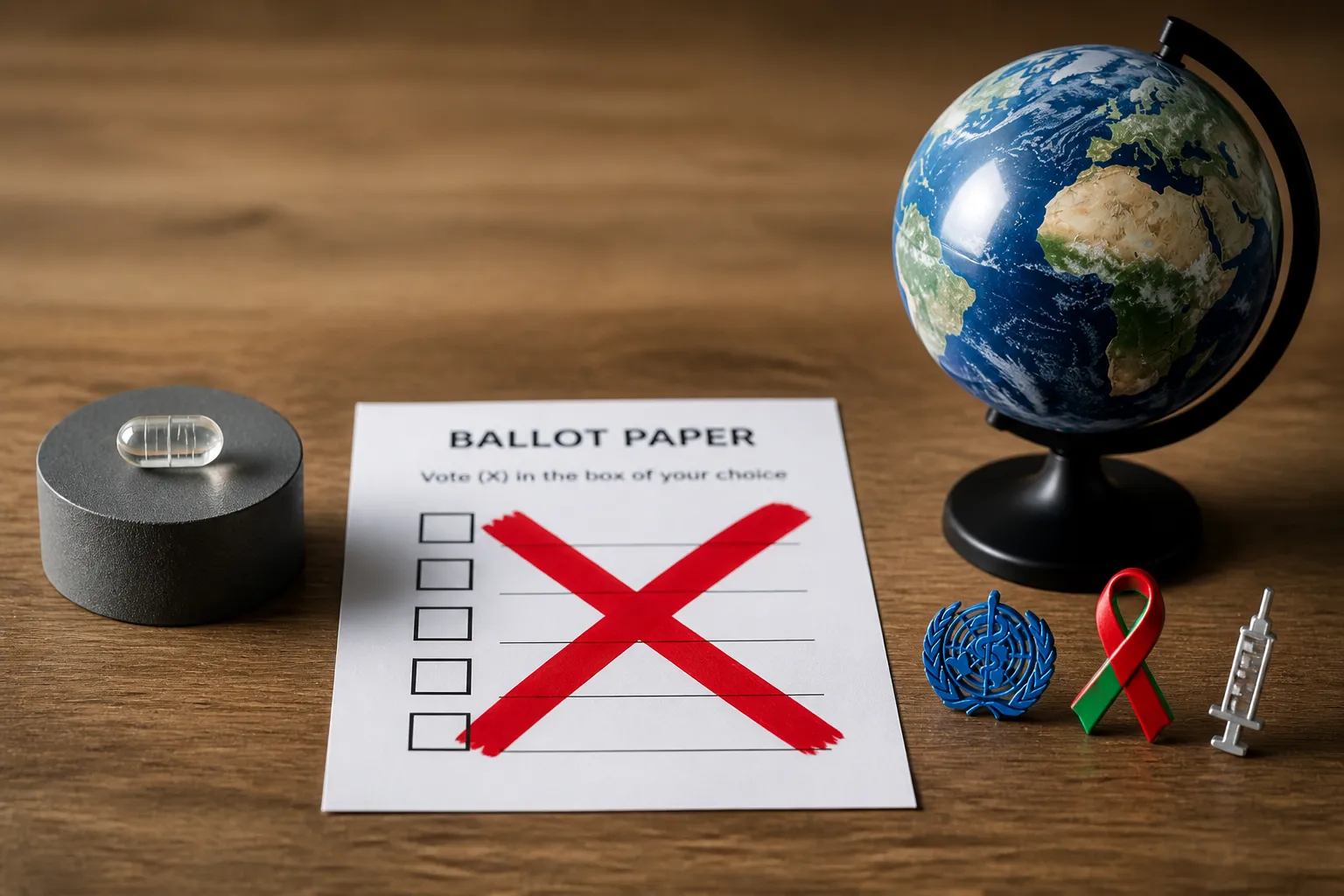
A new Political Declaration on HIV/AIDS was adopted by a large majority of member states, yet the U.S. and Russia, joined by six other delegations, cast the lone votes against it. The U.S. delegation said it could not endorse the text because it contained “divisive” political topics that the country deemed unrelated to the fight against AIDS. Russia had opposed the 2021 declaration on similar grounds.
This marks the first time the United States has broken consensus on a global health declaration. According to reports, the U.S. delegation had voted in favor of every prior declaration until the June 2026 meeting. The new vote was driven by concerns over trade and intellectual‑property (IP) rights, comments on sanctions, and the inclusion of social‑policy topics.
The global response to HIV/AIDS has evolved dramatically since the epidemic first emerged in the early 1980s. Activists in the 1990s helped bring the disease into the public eye, and by the early 2000s the United Nations launched UNAIDS and the Global Fund to Fight AIDS, Tuberculosis and Malaria. In 2003 the U.S. launched the President’s Emergency Plan for AIDS Relief (PEPFAR), which has provided roughly 70 % of the world’s funding for HIV/AIDS treatment and prevention. PEPFAR’s money flows through USAID, an agency that was substantially reduced in 2025 and is slated for dissolution in September 2026.
Russia’s opposition is rooted in a long‑standing conservative stance that prioritizes traditional cultural and religious values over rights‑based language. The declaration’s wording on key populations—men who have sex with men, sex workers, people who inject drugs, transgender people, and prisoners—has repeatedly been a point of contention for Moscow.
The U.S. delegation’s concerns about IP rights echo a broader policy shift that began during the Trump administration. That era saw the United States withdraw from the access‑to‑treatment movement and impose a freeze on new foreign aid, including contributions to the Global Fund.
Experts warn that the decision to vote against the declaration could politicize the global HIV/AIDS agenda. Fragmentation of the response and the absence of a unified standard may deprive key populations of advocacy tools and shrink the reach of prevention and treatment programs. Global funding has already slipped since 2025, with major donors such as France cutting contributions. The U.S. withdrawal from the declaration may further erode international cooperation and weaken countries’ ability to coordinate efforts.
Despite the opposition, the new declaration remains in force. The General Assembly adopted it, and most member states continue to support its strategic priorities. The United States and Russia are likely to keep opposing the declaration in future meetings, but no immediate changes to funding commitments have been announced. The global community is now watching how this shift in U.S. policy will influence future negotiations, funding flows, and the protection of key populations.
In short, the U.S. and Russia’s vote against the 2026 HIV/AIDS declaration marks a significant shift in American engagement with the global health agenda. The move prioritizes trade, IP, and social‑policy concerns over the collective fight against AIDS, raising questions about the future coherence of international HIV/AIDS efforts.
A new Political Declaration on HIV/AIDS was adopted by a large majority of member states, yet the U.S. and Russia, joined by six other delegations, cast the lone votes against it. The U.S. delegation said it could not endorse the text because it contained “divisive” political topics that the country deemed unrelated to the fight against AIDS. Russia had opposed the 2021 declaration on similar grounds.
This marks the first time the United States has broken consensus on a global health declaration. According to reports, the U.S. delegation had voted in favor of every prior declaration until the June 2026 meeting. The new vote was driven by concerns over trade and intellectual‑property (IP) rights, comments on sanctions, and the inclusion of social‑policy topics.
The global response to HIV/AIDS has evolved dramatically since the epidemic first emerged in the early 1980s. Activists in the 1990s helped bring the disease into the public eye, and by the early 2000s the United Nations launched UNAIDS and the Global Fund to Fight AIDS, Tuberculosis and Malaria. In 2003 the U.S. launched the President’s Emergency Plan for AIDS Relief (PEPFAR), which has provided roughly 70 % of the world’s funding for HIV/AIDS treatment and prevention. PEPFAR’s money flows through USAID, an agency that was substantially reduced in 2025 and is slated for dissolution in September 2026.
Russia’s opposition is rooted in a long‑standing conservative stance that prioritizes traditional cultural and religious values over rights‑based language. The declaration’s wording on key populations—men who have sex with men, sex workers, people who inject drugs, transgender people, and prisoners—has repeatedly been a point of contention for Moscow.
The U.S. delegation’s concerns about IP rights echo a broader policy shift that began during the Trump administration. That era saw the United States withdraw from the access‑to‑treatment movement and impose a freeze on new foreign aid, including contributions to the Global Fund.
Experts warn that the decision to vote against the declaration could politicize the global HIV/AIDS agenda. Fragmentation of the response and the absence of a unified standard may deprive key populations of advocacy tools and shrink the reach of prevention and treatment programs. Global funding has already slipped since 2025, with major donors such as France cutting contributions. The U.S. withdrawal from the declaration may further erode international cooperation and weaken countries’ ability to coordinate efforts.
Despite the opposition, the new declaration remains in force. The General Assembly adopted it, and most member states continue to support its strategic priorities. The United States and Russia are likely to keep opposing the declaration in future meetings, but no immediate changes to funding commitments have been announced. The global community is now watching how this shift in U.S. policy will influence future negotiations, funding flows, and the protection of key populations.
In short, the U.S. and Russia’s vote against the 2026 HIV/AIDS declaration marks a significant shift in American engagement with the global health agenda. The move prioritizes trade, IP, and social‑policy concerns over the collective fight against AIDS, raising questions about the future coherence of international HIV/AIDS efforts.