Blab Politics
Hamas Names Khalil al-Hayya as New Political Bureau Chairman Amid Ongoing Gaza Conflict
On July 20, 2026, the Islamist militant group Hamas announced the election of Khalil al‑Hayya as chairman of its Political Bureau, succeeding the late Yahya Sinwar who was killed by Israeli forces in October 2024. The election, carried out by representatives from the movement’s various arenas—including the Gaza Strip, the West Bank, and the diaspora—was completed by the group’s General Shura Council.
The appointment of al‑Hayya follows a series of leadership changes that began after Sinwar’s death. Prior to his killing, Sinwar had been the de facto leader of Hamas in Gaza since 2017 and had been widely regarded as the mastermind behind the October 7, 2023 attacks that triggered the current Gaza war. After Sinwar’s death, a temporary committee of five senior Hamas figures, based in Doha, Qatar, governed the organization until the July 2026 election.
Al‑Hayya, born November 5, 1960, has been a long‑time senior official in Hamas. He previously served as deputy chairman of the Political Bureau from August to October 2024 and was a member of the temporary committee that operated from Qatar. He has survived an Israeli airstrike in Doha in September 2025 that targeted several Hamas leaders.
The election of al‑Hayya is significant for several reasons. First, it demonstrates that Hamas remains organized enough to conduct internal political processes despite sustained Israeli military operations and international pressure. Second, it signals continuity in the group’s strategic orientation. Al‑Hayya has historically maintained close ties to Iran and the Islamic Revolutionary Guard Corps, and his first public remarks as chairman thanked Iran, Hezbollah, the Houthis in Yemen, and Iraqi Shiite militias.
The new leadership also underscores the role of external patronage. Qatar and Turkey have provided sanctuary to senior Hamas officials, including al‑Hayya, for years. The continued presence of these leaders abroad has raised questions about the effectiveness of international counter‑terrorism efforts, particularly in light of the fact that several American citizens were killed or taken hostage during the October 7 attacks.
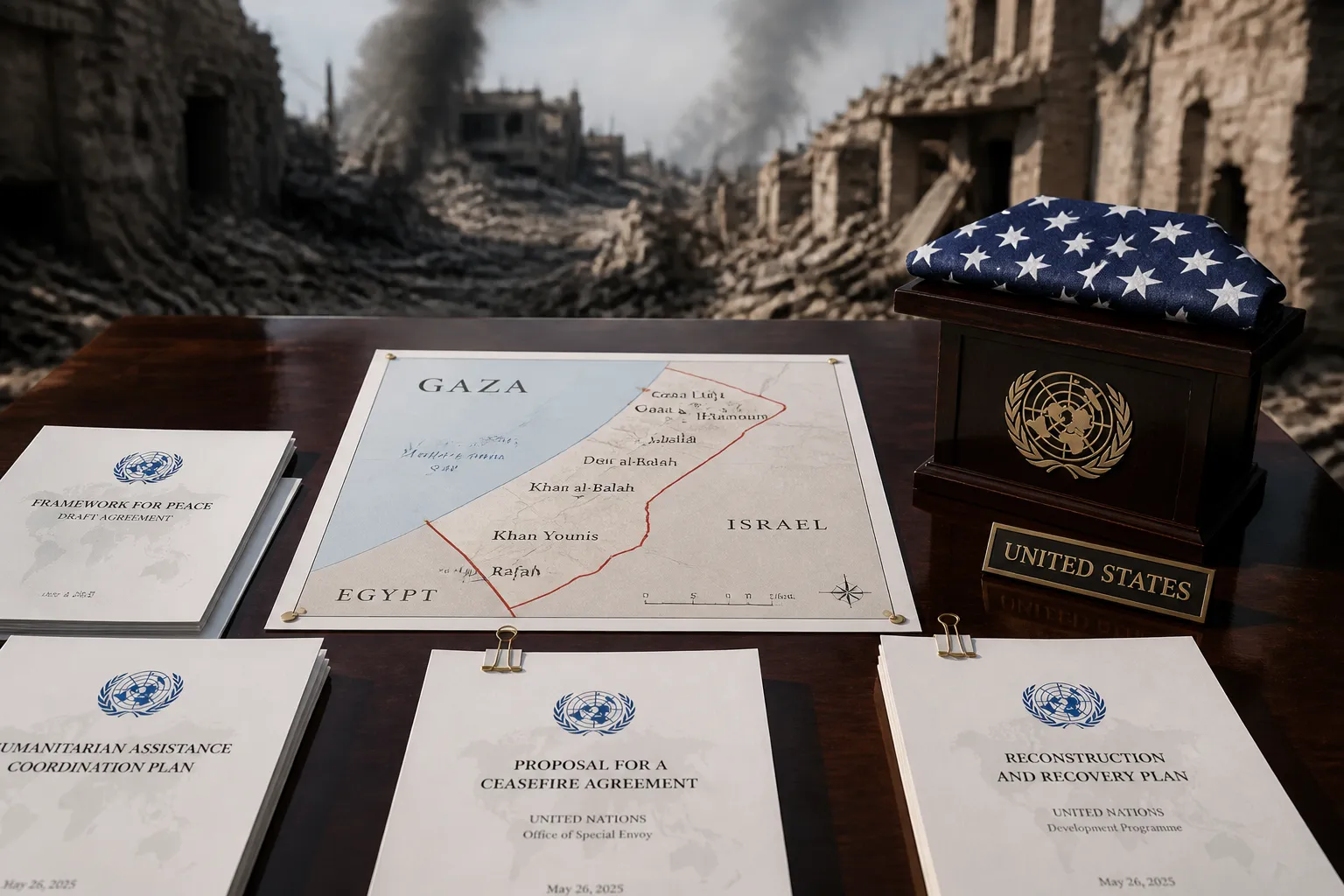
In the broader context, Hamas continues to govern the Gaza Strip, which it seized in 2007. The group has been the de facto authority in Gaza since then, operating a civilian administration that has been subject to a blockade by Israel and Egypt. The ongoing Gaza war, which began with the October 7 attacks, has resulted in extensive destruction and humanitarian hardship for the approximately 2.3 million residents of Gaza.
The election also has implications for the regional “Axis of Resistance.” Iran’s support for Hamas, Hezbollah, the Houthis, and Iraqi militias has been a cornerstone of its strategy to counter Israel and the United States. Al‑Hayya’s leadership is expected to reinforce that alliance, potentially influencing the balance of power in the Middle East.
As of the time of reporting, Hamas has not announced any changes to its stated objectives. The group’s charter, originally adopted in 1988, calls for the elimination of Israel, and the organization has not renounced that position. Al‑Hayya’s statements following the election have not indicated a shift toward a more conciliatory stance.
The United States and other Western governments continue to designate Hamas as a terrorist organization. No new sanctions or diplomatic actions have been announced in response to the leadership change.
The election of Khalil al‑Hayya therefore represents a continuation of Hamas’s political and militant activities rather than a departure from its past. It highlights the challenges faced by international actors in addressing the organization’s influence and the ongoing humanitarian crisis in Gaza.
The situation remains fluid. The next major development will likely involve the group’s engagement with Iran and other regional allies, as well as any potential shifts in its approach to the Israeli‑Palestinian conflict. Until further statements or actions are made by Hamas or its partners, the organization’s strategic direction is expected to remain consistent with its historical positions.
The election also underscores the difficulty of achieving a lasting resolution to the Gaza conflict. With Hamas maintaining its leadership structure and external support, any future negotiations will need to address the group’s continued presence and the broader regional dynamics.
In summary, the appointment of Khalil al‑Hayya as chairman of Hamas’s Political Bureau marks a significant moment in the organization’s history. It confirms that Hamas remains a structured and influential actor in the Gaza Strip and the wider Middle East, with continued backing from Iran and other regional allies. The international community faces ongoing challenges in addressing the organization’s role in the conflict and its impact on the civilian population in Gaza.
The appointment of al‑Hayya follows a series of leadership changes that began after Sinwar’s death. Prior to his killing, Sinwar had been the de facto leader of Hamas in Gaza since 2017 and had been widely regarded as the mastermind behind the October 7, 2023 attacks that triggered the current Gaza war. After Sinwar’s death, a temporary committee of five senior Hamas figures, based in Doha, Qatar, governed the organization until the July 2026 election.
Al‑Hayya, born November 5, 1960, has been a long‑time senior official in Hamas. He previously served as deputy chairman of the Political Bureau from August to October 2024 and was a member of the temporary committee that operated from Qatar. He has survived an Israeli airstrike in Doha in September 2025 that targeted several Hamas leaders.
The election of al‑Hayya is significant for several reasons. First, it demonstrates that Hamas remains organized enough to conduct internal political processes despite sustained Israeli military operations and international pressure. Second, it signals continuity in the group’s strategic orientation. Al‑Hayya has historically maintained close ties to Iran and the Islamic Revolutionary Guard Corps, and his first public remarks as chairman thanked Iran, Hezbollah, the Houthis in Yemen, and Iraqi Shiite militias.
The new leadership also underscores the role of external patronage. Qatar and Turkey have provided sanctuary to senior Hamas officials, including al‑Hayya, for years. The continued presence of these leaders abroad has raised questions about the effectiveness of international counter‑terrorism efforts, particularly in light of the fact that several American citizens were killed or taken hostage during the October 7 attacks.
In the broader context, Hamas continues to govern the Gaza Strip, which it seized in 2007. The group has been the de facto authority in Gaza since then, operating a civilian administration that has been subject to a blockade by Israel and Egypt. The ongoing Gaza war, which began with the October 7 attacks, has resulted in extensive destruction and humanitarian hardship for the approximately 2.3 million residents of Gaza.
The election also has implications for the regional “Axis of Resistance.” Iran’s support for Hamas, Hezbollah, the Houthis, and Iraqi militias has been a cornerstone of its strategy to counter Israel and the United States. Al‑Hayya’s leadership is expected to reinforce that alliance, potentially influencing the balance of power in the Middle East.
As of the time of reporting, Hamas has not announced any changes to its stated objectives. The group’s charter, originally adopted in 1988, calls for the elimination of Israel, and the organization has not renounced that position. Al‑Hayya’s statements following the election have not indicated a shift toward a more conciliatory stance.
The United States and other Western governments continue to designate Hamas as a terrorist organization. No new sanctions or diplomatic actions have been announced in response to the leadership change.
The election of Khalil al‑Hayya therefore represents a continuation of Hamas’s political and militant activities rather than a departure from its past. It highlights the challenges faced by international actors in addressing the organization’s influence and the ongoing humanitarian crisis in Gaza.
The situation remains fluid. The next major development will likely involve the group’s engagement with Iran and other regional allies, as well as any potential shifts in its approach to the Israeli‑Palestinian conflict. Until further statements or actions are made by Hamas or its partners, the organization’s strategic direction is expected to remain consistent with its historical positions.
The election also underscores the difficulty of achieving a lasting resolution to the Gaza conflict. With Hamas maintaining its leadership structure and external support, any future negotiations will need to address the group’s continued presence and the broader regional dynamics.
In summary, the appointment of Khalil al‑Hayya as chairman of Hamas’s Political Bureau marks a significant moment in the organization’s history. It confirms that Hamas remains a structured and influential actor in the Gaza Strip and the wider Middle East, with continued backing from Iran and other regional allies. The international community faces ongoing challenges in addressing the organization’s role in the conflict and its impact on the civilian population in Gaza.







