Blab Politics
Iran Transfers Political Prisoner Sam Nasiri-Moghaddam to Khorramabad Central Prison After Three-Month Detention
On July 14, 2026, a quiet but unsettling transfer unfolded in the heart of Iran’s prison system. Sam Nasiri‑Moghaddam, a known political prisoner, was moved from a Ministry of Intelligence detention facility to the security ward of Khorramabad Central Prison. The shift followed nearly three months of confinement after his re‑arrest on April 29, 2026.
Nasiri‑Moghaddam first entered the Iranian penal system in 2023 when a Tehran court sentenced him to one year in Evin Prison on a charge of “propaganda against the system.” Evin, located in Tehran’s Evin neighborhood, has long been the primary detention center for political prisoners, journalists, and activists. After serving his sentence, he was released, only to be re‑arrested by agents of the Ministry of Intelligence on April 29. He was then held at the ministry’s detention center—a facility that is not publicly documented and is often used for short‑term holding of suspects.
According to reports obtained by IranWire, Nasiri‑Moghaddam has remained in Khorramabad for the past eight days. The family, who told IranWire of the transfer, expressed grave concern for his safety. They noted that two of his relatives were executed during the 1980s, a period when the Iranian government carried out mass executions of political opponents. The family has called for greater public awareness of the conditions of his detention.
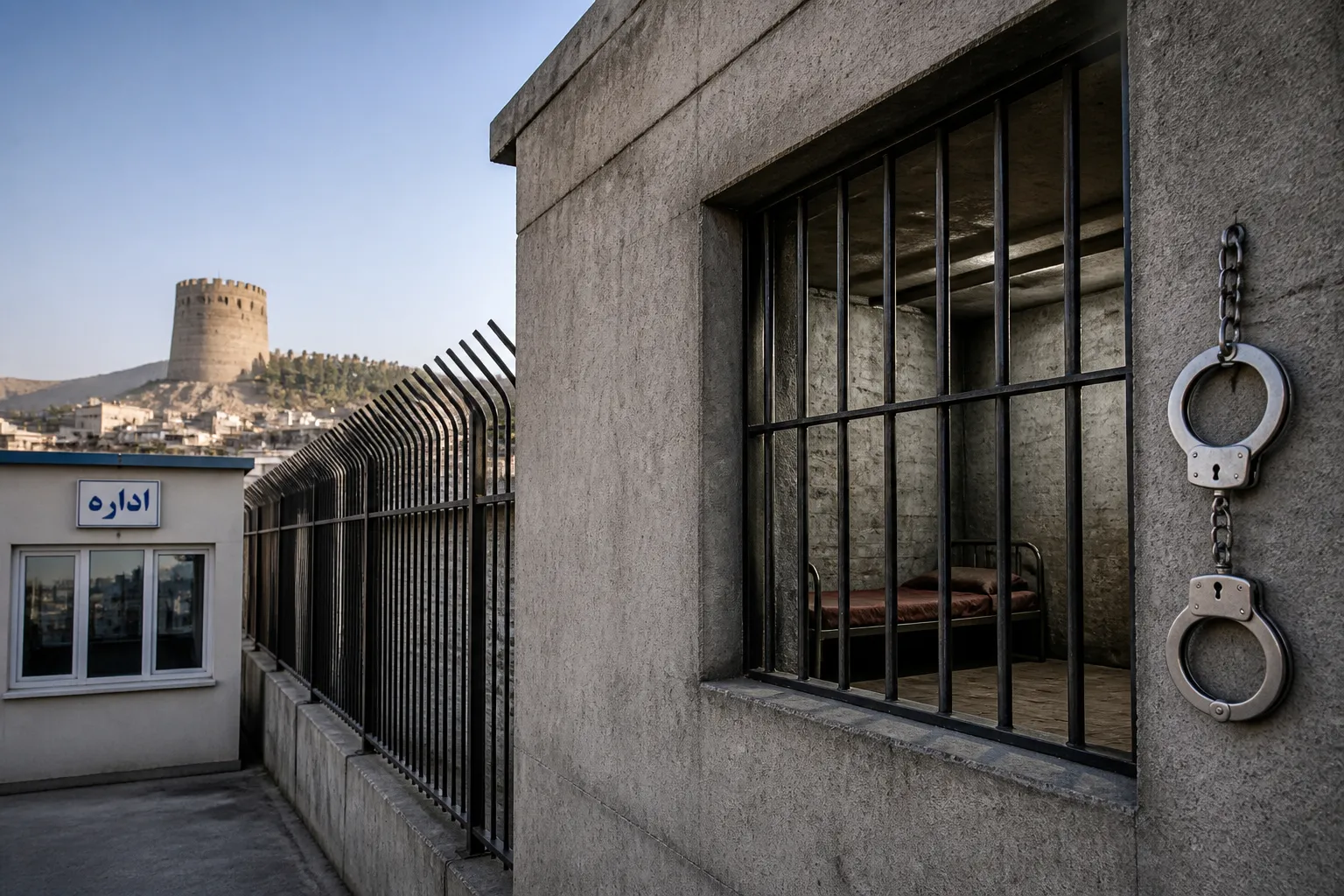
Khorramabad Central Prison, situated in Lorestan province, is one of several regional prisons used by Iranian authorities to house political detainees. The security ward is typically reserved for inmates deemed a security risk or who have been transferred from other facilities. The move from a Ministry of Intelligence holding cell to a regional prison follows a pattern observed in other cases, where detainees are shifted to facilities that can be more tightly controlled.
The transfer of Nasiri‑Moghaddam highlights the broader issue of political imprisonment in Iran. Human‑rights organizations have documented a range of abuses in facilities such as Evin and Khorramabad, including reports of torture, forced confessions, and denial of medical care. The Iranian government has not released any official statement regarding the transfer, and no details have been provided about the legal status or charges pending against Nasiri‑Moghaddam.
The family’s appeal for public awareness comes amid heightened scrutiny of Iran’s treatment of political prisoners. In recent years, the regime has faced international criticism for its handling of dissent, especially during periods of civil unrest and international conflict. The 2025–2026 protests, which began in December 2025, led to widespread arrests and a crackdown that drew condemnation from human‑rights groups.
While the exact conditions of Nasiri‑Moghaddam’s detention remain undisclosed, the fact that he is housed in a security ward with a small number of inmates suggests a high‑security environment. The family’s concerns are amplified by the historical context of executions in the 1980s.
No official response has been issued by the Ministry of Intelligence, the Ministry of Justice, or the Khorramabad prison administration. The lack of transparency is consistent with other cases where detainees are transferred without public notice. As of the latest reports, Nasiri‑Moghaddam’s legal status, potential charges, and prospects for release remain unknown.
The situation underscores the ongoing challenges faced by political prisoners in Iran, where detention facilities are often used to suppress dissent. The family’s call for greater awareness reflects a broader demand for accountability and transparency from Iranian authorities.
In the absence of official statements, the case remains unresolved. Observers will continue to monitor any developments, including potential court proceedings, appeals, or further transfers. The international community and human‑rights organizations are likely to keep a close eye on Nasiri‑Moghaddam’s case as it may signal broader trends in Iran’s treatment of political detainees.
Nasiri‑Moghaddam first entered the Iranian penal system in 2023 when a Tehran court sentenced him to one year in Evin Prison on a charge of “propaganda against the system.” Evin, located in Tehran’s Evin neighborhood, has long been the primary detention center for political prisoners, journalists, and activists. After serving his sentence, he was released, only to be re‑arrested by agents of the Ministry of Intelligence on April 29. He was then held at the ministry’s detention center—a facility that is not publicly documented and is often used for short‑term holding of suspects.
According to reports obtained by IranWire, Nasiri‑Moghaddam has remained in Khorramabad for the past eight days. The family, who told IranWire of the transfer, expressed grave concern for his safety. They noted that two of his relatives were executed during the 1980s, a period when the Iranian government carried out mass executions of political opponents. The family has called for greater public awareness of the conditions of his detention.
Khorramabad Central Prison, situated in Lorestan province, is one of several regional prisons used by Iranian authorities to house political detainees. The security ward is typically reserved for inmates deemed a security risk or who have been transferred from other facilities. The move from a Ministry of Intelligence holding cell to a regional prison follows a pattern observed in other cases, where detainees are shifted to facilities that can be more tightly controlled.
The transfer of Nasiri‑Moghaddam highlights the broader issue of political imprisonment in Iran. Human‑rights organizations have documented a range of abuses in facilities such as Evin and Khorramabad, including reports of torture, forced confessions, and denial of medical care. The Iranian government has not released any official statement regarding the transfer, and no details have been provided about the legal status or charges pending against Nasiri‑Moghaddam.
The family’s appeal for public awareness comes amid heightened scrutiny of Iran’s treatment of political prisoners. In recent years, the regime has faced international criticism for its handling of dissent, especially during periods of civil unrest and international conflict. The 2025–2026 protests, which began in December 2025, led to widespread arrests and a crackdown that drew condemnation from human‑rights groups.
While the exact conditions of Nasiri‑Moghaddam’s detention remain undisclosed, the fact that he is housed in a security ward with a small number of inmates suggests a high‑security environment. The family’s concerns are amplified by the historical context of executions in the 1980s.
No official response has been issued by the Ministry of Intelligence, the Ministry of Justice, or the Khorramabad prison administration. The lack of transparency is consistent with other cases where detainees are transferred without public notice. As of the latest reports, Nasiri‑Moghaddam’s legal status, potential charges, and prospects for release remain unknown.
The situation underscores the ongoing challenges faced by political prisoners in Iran, where detention facilities are often used to suppress dissent. The family’s call for greater awareness reflects a broader demand for accountability and transparency from Iranian authorities.
In the absence of official statements, the case remains unresolved. Observers will continue to monitor any developments, including potential court proceedings, appeals, or further transfers. The international community and human‑rights organizations are likely to keep a close eye on Nasiri‑Moghaddam’s case as it may signal broader trends in Iran’s treatment of political detainees.