Blab Politics
Senator Lindsey Graham Dies at 71; Funeral Services Begin in Washington, South Carolina, and Senate Prepares to Move Forward on Russia Sanctions
The U.S. Senate mourns the sudden loss of Senator Lindsey Graham, a 71‑year‑old South Carolina Republican, who died on July 11, 2026, after a sudden aortic tear, just a day after returning from a NATO summit in Turkey and a visit to Ukraine.
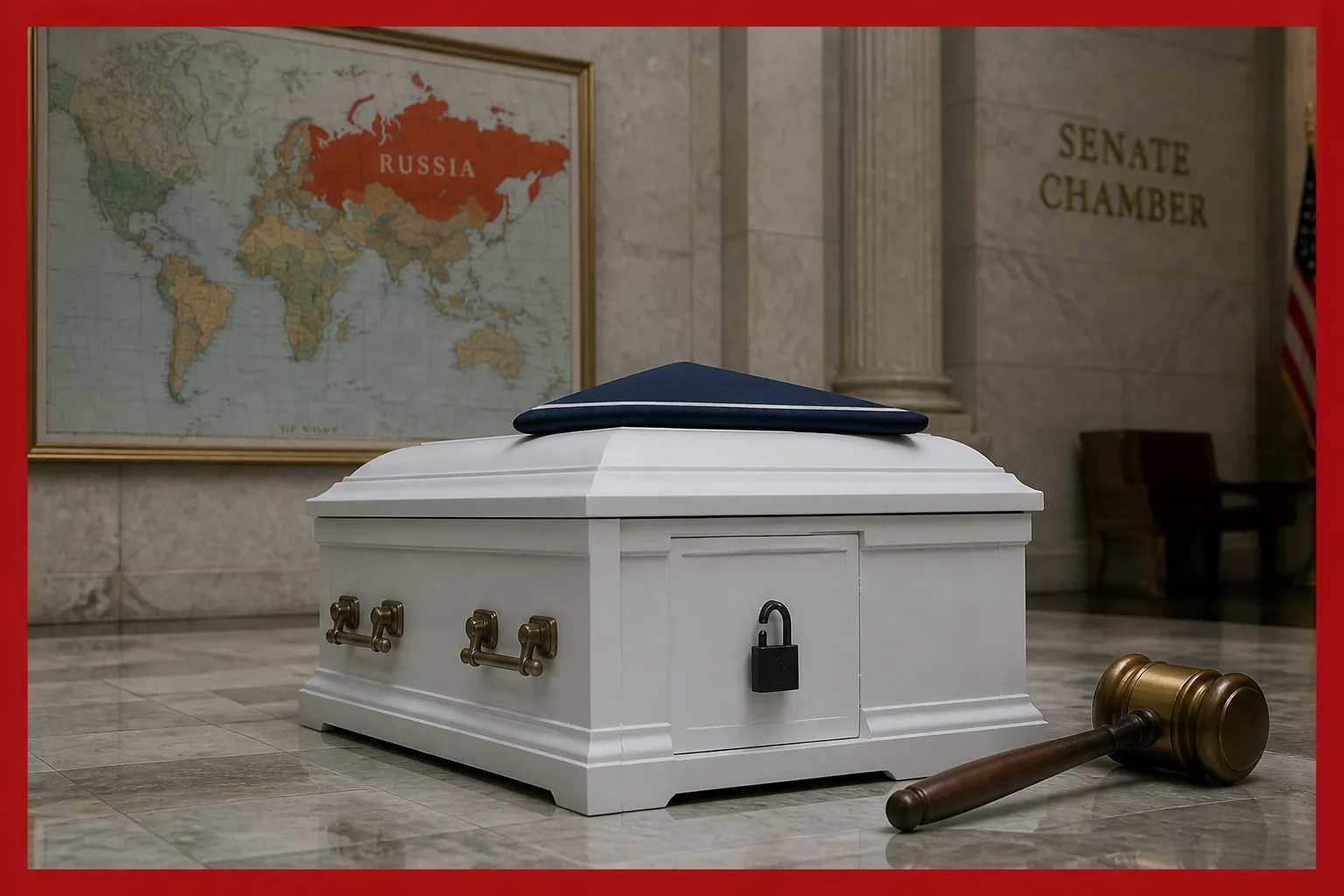
The first memorial service began Tuesday at the U.S. Capitol Rotunda. Graham’s flag‑draped casket was carried inside by an armed‑forces team, honoring his military service. Senate Majority Leader John Thune, Vice President J.D. Vance, and several cabinet officials attended. Thune called him “a towering figure” and “no one more capable of cracking up a room.” Vance described Graham as a “swashbuckling” figure who “swashbuckled into the Senate” with his suit jacket open.
A second service will take place at Washington National Cathedral, where President Donald Trump is expected to deliver remarks. Conservative media host Sean Hannity and other right‑wing leaders are also slated to speak. Foreign leaders, including Israeli Prime Minister Benjamin Netanyahu and Ukrainian President Volodymyr Zelenskyy, are expected to attend, underscoring Graham’s role as a staunch supporter of Israel, Ukraine, and NATO.
Graham’s burial will occur Wednesday in his home state of South Carolina. The funeral will be held at the First Baptist Church of Columbia, followed by a private family burial in Pickens, South Carolina.
Graham’s death has opened a vacancy in the Senate. Governor Henry McMaster appointed the senator’s sister, Darline Graham, to fill the remainder of the term. She is running in a special primary that will determine the Republican nominee for the November 3, 2026, election. The filing period for the primary closes Tuesday, with the election scheduled for August 11.
During his 23‑year tenure, Graham was known for bipartisan work on national‑security and immigration issues. He served as a House impeachment manager during President Bill Clinton’s trial and later chaired the Senate Judiciary Committee from 2019 to 2021. He was a key ally of President Donald Trump, and his influence extended to the confirmation of Trump’s judicial nominees.
One of Graham’s last legislative achievements was a bipartisan sanctions package targeting Russia’s war in Ukraine. The bill, co‑sponsored by more than 60 senators, would impose primary and secondary sanctions on Russian officials and entities that facilitate the conflict. The Senate scheduled a procedural vote on the measure for Tuesday, the same day as the Capitol memorial. The Senate’s action follows a deal announced by senators, including Trump’s support, to move forward with the sanctions.
The sanctions bill is part of a broader U.S. strategy to pressure Russia to end its invasion of Ukraine. The measure would target Russian oil, gas, and other critical exports, and expand restrictions on Russian sovereign debt and financial transactions.
Graham’s military background includes service as a judge advocate in the U.S. Air Force from 1982 to 1989, and later as a colonel in the Air National Guard and Air Force Reserve. He received the Bronze Star Medal in 2014 for his legal work related to operations in Iraq and Afghanistan.
The Senate and the broader political community are now focused on the pending sanctions vote and the upcoming special primary that will determine South Carolina’s next senator. The outcome of both will shape the Senate’s composition and the direction of U.S. foreign‑policy initiatives.
The first memorial service began Tuesday at the U.S. Capitol Rotunda. Graham’s flag‑draped casket was carried inside by an armed‑forces team, honoring his military service. Senate Majority Leader John Thune, Vice President J.D. Vance, and several cabinet officials attended. Thune called him “a towering figure” and “no one more capable of cracking up a room.” Vance described Graham as a “swashbuckling” figure who “swashbuckled into the Senate” with his suit jacket open.
A second service will take place at Washington National Cathedral, where President Donald Trump is expected to deliver remarks. Conservative media host Sean Hannity and other right‑wing leaders are also slated to speak. Foreign leaders, including Israeli Prime Minister Benjamin Netanyahu and Ukrainian President Volodymyr Zelenskyy, are expected to attend, underscoring Graham’s role as a staunch supporter of Israel, Ukraine, and NATO.
Graham’s burial will occur Wednesday in his home state of South Carolina. The funeral will be held at the First Baptist Church of Columbia, followed by a private family burial in Pickens, South Carolina.
Graham’s death has opened a vacancy in the Senate. Governor Henry McMaster appointed the senator’s sister, Darline Graham, to fill the remainder of the term. She is running in a special primary that will determine the Republican nominee for the November 3, 2026, election. The filing period for the primary closes Tuesday, with the election scheduled for August 11.
During his 23‑year tenure, Graham was known for bipartisan work on national‑security and immigration issues. He served as a House impeachment manager during President Bill Clinton’s trial and later chaired the Senate Judiciary Committee from 2019 to 2021. He was a key ally of President Donald Trump, and his influence extended to the confirmation of Trump’s judicial nominees.
One of Graham’s last legislative achievements was a bipartisan sanctions package targeting Russia’s war in Ukraine. The bill, co‑sponsored by more than 60 senators, would impose primary and secondary sanctions on Russian officials and entities that facilitate the conflict. The Senate scheduled a procedural vote on the measure for Tuesday, the same day as the Capitol memorial. The Senate’s action follows a deal announced by senators, including Trump’s support, to move forward with the sanctions.
The sanctions bill is part of a broader U.S. strategy to pressure Russia to end its invasion of Ukraine. The measure would target Russian oil, gas, and other critical exports, and expand restrictions on Russian sovereign debt and financial transactions.
Graham’s military background includes service as a judge advocate in the U.S. Air Force from 1982 to 1989, and later as a colonel in the Air National Guard and Air Force Reserve. He received the Bronze Star Medal in 2014 for his legal work related to operations in Iraq and Afghanistan.
The Senate and the broader political community are now focused on the pending sanctions vote and the upcoming special primary that will determine South Carolina’s next senator. The outcome of both will shape the Senate’s composition and the direction of U.S. foreign‑policy initiatives.