Blab Politics
Turkish Foreign Minister Declares Israel a Burden Ahead of NATO Summit; U.S. Considers F-35 Sale Amid Sanctions
On July 3, 2026, just before the NATO summit in Ankara, Turkish Foreign Minister Hakan Fidan said that Israel had become “a burden that humanity can no longer bear.” The remark was reported by several outlets, including the Jewish Refugees website and All Israel News. The statement was made in a televised interview with CNN Türk, and it was widely shared on social media. The comments were described by Israeli officials as “horrific language” and “textbook incitement to genocide.” Israeli Foreign Minister Gideon Sa’ar, in a statement released by the Israeli Ministry of Foreign Affairs, called the remarks “sickening” and warned that they could “fuel anti‑Israel sentiment.”
The comments come amid a broader pattern of hostile rhetoric from Turkish officials toward Israel. In 2021, the Turkish Interior Minister Mustafa Çiftçi said he hoped to become governor of Jerusalem, a statement that was reported by the Turkish press but has not been corroborated by independent sources. Turkish officials have also repeatedly used inflammatory language in the past, including remarks that have been linked to the country’s history of persecution of Armenians and Pontic Greeks.
Israel’s response has been swift. Prime Minister Benjamin Netanyahu, in a briefing to the Israeli press, expressed concern that Turkey’s growing anti‑Israel rhetoric could be a prelude to a future military confrontation. He also warned that Turkey’s acquisition of the Russian S‑400 air‑defence system and the potential sale of U.S. F‑35 fighter jets could alter the regional balance of power. Netanyahu’s comments were reported by the Jerusalem Post and the Israeli Ministry of Foreign Affairs.
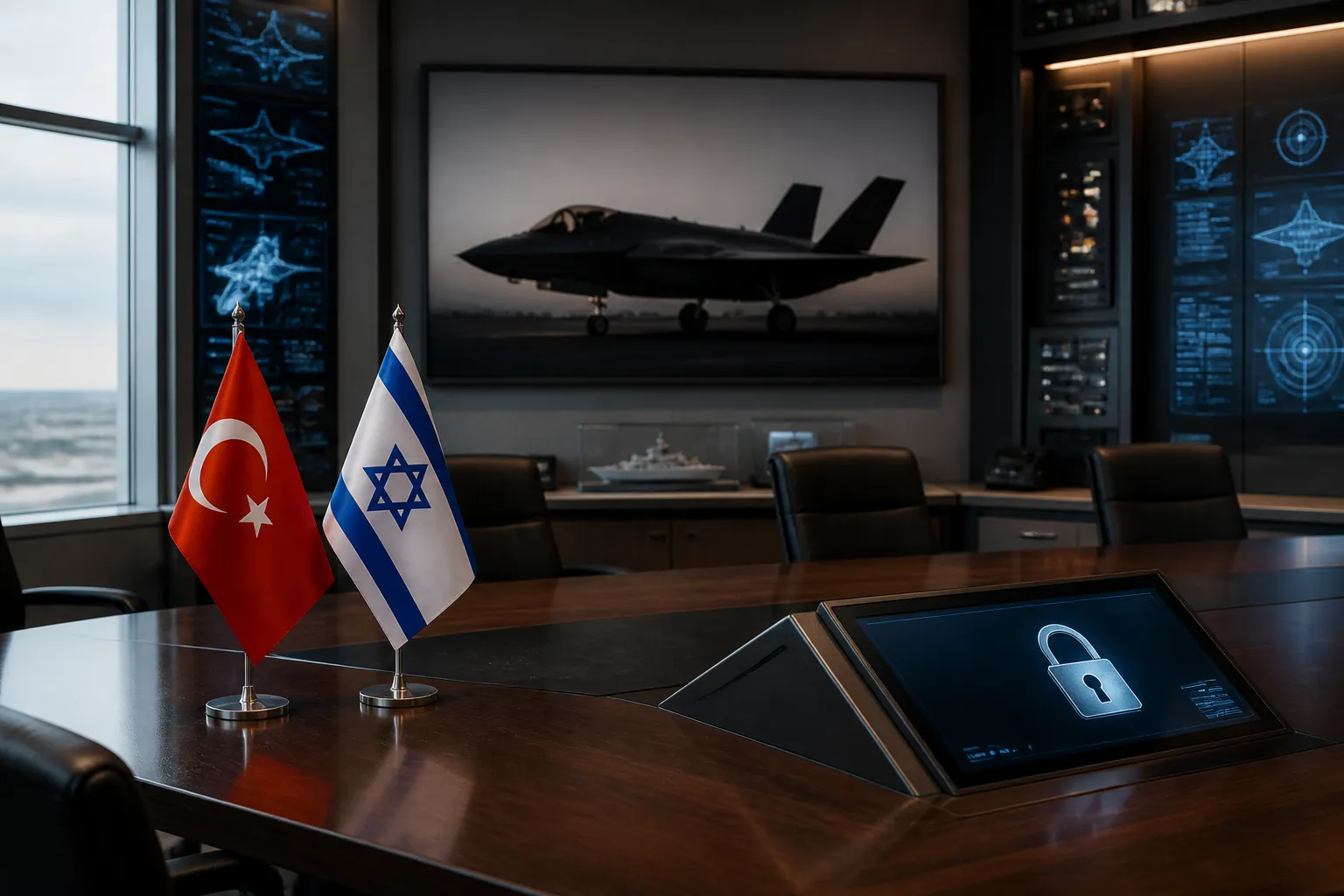
The U.S. has been closely monitoring the situation. On July 7, 2026, President Donald Trump met with President Recep Tayyip Erdogan in Ankara and reportedly discussed the possibility of selling F‑35 jets to Turkey. Trump later told reporters that he would lift the sanctions imposed on Turkey’s defense industry in 2020, which were triggered by Turkey’s purchase of the S‑400 system. The sanctions were lifted in a statement from the U.S. State Department, which said that the removal of sanctions was contingent on Turkey’s compliance with U.S. security requirements.
The U.S. has historically barred Turkey from the F‑35 program because of the S‑400 purchase. The U.S. Defense Department cited the S‑400 as a “security risk” that could compromise the integrity of the F‑35’s software and sensor systems. Turkey has placed the S‑400 in a storage facility and has not activated it, but the U.S. has maintained that Turkey must return the system to regain eligibility for the F‑35. In December 2025, Turkish officials announced that they would consider returning the S‑400 to Russia if it would allow Turkey to re‑enter the F‑35 program.
The potential sale of F‑35 jets to Turkey has drawn criticism from Israeli officials. According to a statement from the Israeli Ministry of Defense, the introduction of F‑35s into Turkish service would “significantly reduce Israel’s air superiority advantage.” Israeli analysts note that Israel’s current air dominance is largely based on its own F‑35 fleet, which is the world’s most advanced stealth fighter.
The U.S. has also faced pressure from other allies. Vice President John D. Vance, in a televised interview, criticized Netanyahu’s approach to Turkey and suggested that Israel should not rely on the U.S. for protection. The comments were reported by the Washington Post and were widely discussed in U.S. political circles.
The situation remains fluid. The U.S. State Department has reiterated that Turkey must meet all legal criteria for the F‑35 program, including the return of the S‑400 system. Turkey’s government has indicated that it is willing to comply if it can secure the sale. Meanwhile, Israeli officials continue to monitor Turkish rhetoric and military procurement decisions.
The upcoming NATO summit in Ankara will likely address these security concerns. Delegates from NATO member states have expressed interest in ensuring that the alliance’s collective defense posture is not compromised by the sale of advanced aircraft to a member that has recently purchased a rival air‑defence system. The U.S. and Turkey are expected to discuss the broader implications for regional stability.
In summary, Turkish Foreign Minister Hakan Fidan’s July 3 statement has heightened tensions between Ankara and Tel Aviv. The U.S. is weighing the possibility of lifting sanctions and selling F‑35 jets to Turkey, a move that would require Turkey to return its S‑400 system. Israeli officials warn that such a sale could erode Israel’s air superiority, while U.S. officials emphasize compliance with security protocols. The outcome of these negotiations will have significant implications for U.S.‑Turkey relations, NATO’s cohesion, and the security dynamics of the Middle East.
The comments come amid a broader pattern of hostile rhetoric from Turkish officials toward Israel. In 2021, the Turkish Interior Minister Mustafa Çiftçi said he hoped to become governor of Jerusalem, a statement that was reported by the Turkish press but has not been corroborated by independent sources. Turkish officials have also repeatedly used inflammatory language in the past, including remarks that have been linked to the country’s history of persecution of Armenians and Pontic Greeks.
Israel’s response has been swift. Prime Minister Benjamin Netanyahu, in a briefing to the Israeli press, expressed concern that Turkey’s growing anti‑Israel rhetoric could be a prelude to a future military confrontation. He also warned that Turkey’s acquisition of the Russian S‑400 air‑defence system and the potential sale of U.S. F‑35 fighter jets could alter the regional balance of power. Netanyahu’s comments were reported by the Jerusalem Post and the Israeli Ministry of Foreign Affairs.
The U.S. has been closely monitoring the situation. On July 7, 2026, President Donald Trump met with President Recep Tayyip Erdogan in Ankara and reportedly discussed the possibility of selling F‑35 jets to Turkey. Trump later told reporters that he would lift the sanctions imposed on Turkey’s defense industry in 2020, which were triggered by Turkey’s purchase of the S‑400 system. The sanctions were lifted in a statement from the U.S. State Department, which said that the removal of sanctions was contingent on Turkey’s compliance with U.S. security requirements.
The U.S. has historically barred Turkey from the F‑35 program because of the S‑400 purchase. The U.S. Defense Department cited the S‑400 as a “security risk” that could compromise the integrity of the F‑35’s software and sensor systems. Turkey has placed the S‑400 in a storage facility and has not activated it, but the U.S. has maintained that Turkey must return the system to regain eligibility for the F‑35. In December 2025, Turkish officials announced that they would consider returning the S‑400 to Russia if it would allow Turkey to re‑enter the F‑35 program.
The potential sale of F‑35 jets to Turkey has drawn criticism from Israeli officials. According to a statement from the Israeli Ministry of Defense, the introduction of F‑35s into Turkish service would “significantly reduce Israel’s air superiority advantage.” Israeli analysts note that Israel’s current air dominance is largely based on its own F‑35 fleet, which is the world’s most advanced stealth fighter.
The U.S. has also faced pressure from other allies. Vice President John D. Vance, in a televised interview, criticized Netanyahu’s approach to Turkey and suggested that Israel should not rely on the U.S. for protection. The comments were reported by the Washington Post and were widely discussed in U.S. political circles.
The situation remains fluid. The U.S. State Department has reiterated that Turkey must meet all legal criteria for the F‑35 program, including the return of the S‑400 system. Turkey’s government has indicated that it is willing to comply if it can secure the sale. Meanwhile, Israeli officials continue to monitor Turkish rhetoric and military procurement decisions.
The upcoming NATO summit in Ankara will likely address these security concerns. Delegates from NATO member states have expressed interest in ensuring that the alliance’s collective defense posture is not compromised by the sale of advanced aircraft to a member that has recently purchased a rival air‑defence system. The U.S. and Turkey are expected to discuss the broader implications for regional stability.
In summary, Turkish Foreign Minister Hakan Fidan’s July 3 statement has heightened tensions between Ankara and Tel Aviv. The U.S. is weighing the possibility of lifting sanctions and selling F‑35 jets to Turkey, a move that would require Turkey to return its S‑400 system. Israeli officials warn that such a sale could erode Israel’s air superiority, while U.S. officials emphasize compliance with security protocols. The outcome of these negotiations will have significant implications for U.S.‑Turkey relations, NATO’s cohesion, and the security dynamics of the Middle East.