Blab Politics
Michigan Senate Primary 2026: Abdul El-Sayed Leads Democratic Field Ahead of August 4 Vote
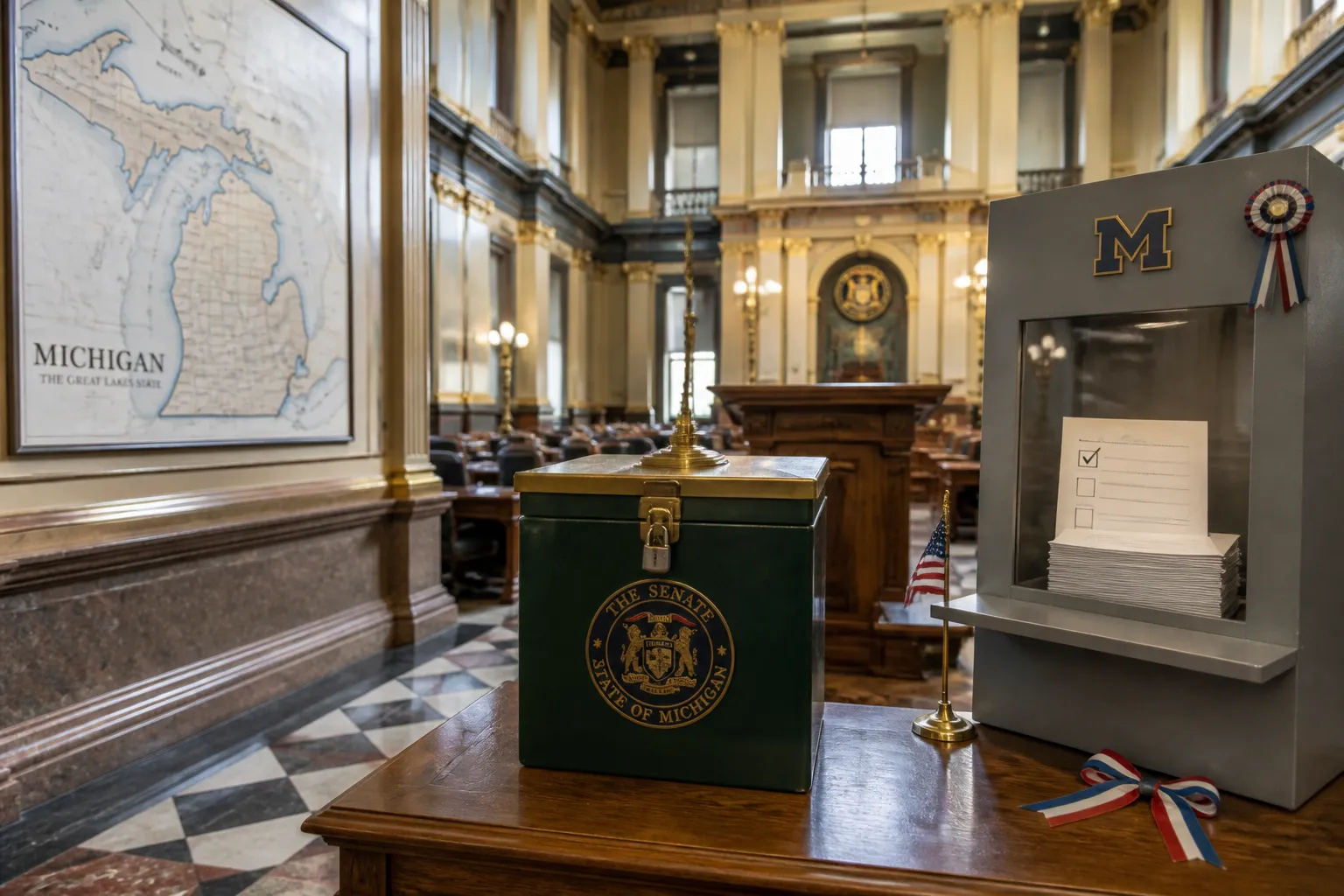
The Michigan Democratic primary for the U.S. Senate will take place on August 4, 2026, with the state’s open Class II seat up for grabs after incumbent Senator Gary Peters announced he will not seek a third term. The primary pits physician and epidemiologist Abdulrahman Mohamed El‑Sayed against U.S. Representative Haley Stevens, while the Republican field is headed by former congressman Mike Rogers.
El‑Sayed, a Detroit‑born physician, earned a medical degree from Columbia University and a Rhodes Scholarship to study at Oxford. He served as executive director of the Detroit Health Department from 2015 to 2017 and was director of the Department of Health, Human, and Veterans Services of Wayne County from 2023 to 2025. In 2018 he ran for governor of Michigan, finishing third in the Democratic primary.
In his Senate campaign, El‑Sayed has highlighted a platform that includes Medicare for All, the abolition of Immigration and Customs Enforcement, and the termination of U.S. military aid to Israel. The campaign has said it is committed to expanding public health infrastructure and addressing systemic inequities in the state.
The campaign has announced endorsements from several high‑profile Democrats. According to the campaign, it has received support from Representative Alexandria Ocasio‑Cortez (N.Y.), Senator Bernie Sanders (Vt.), Senator Elizabeth Warren (Mass.), and Representative Rashida Tlaib (M.I.). The endorsements are listed on the candidate’s official website.
Polling data from the New York Times poll tracker shows El‑Sayed leading the Democratic field by double digits in several recent surveys. The tracker cites results from Zenith Research, SoCal Strategies, Mitchell Research, Emerson College, and Tavern Research. The polls were conducted in July 2026 and show El‑Sayed ahead of Stevens by a margin ranging from 12 to 18 points.
Stevens, who has represented Michigan’s 11th congressional district since 2019, is a moderate Democrat with a focus on infrastructure and economic development. She has emphasized her experience in the House and her record on bipartisan legislation. Stevens’ campaign has highlighted her support for the American Rescue Plan and her work on the House Committee on Energy and Commerce.
Republican nominee Mike Rogers, a former U.S. Representative for Michigan’s 8th district, has been the presumptive nominee since the Republican primary. Rogers has a background in national security and intelligence, having served as chair of the House Permanent Select Committee on Intelligence. He has pledged to focus on fiscal responsibility and national defense.
The Senate seat is considered a key battleground in the 2026 midterm cycle. Michigan has voted for both parties in recent elections, and the outcome of the Democratic primary will shape the state’s representation in Washington. The primary will determine whether the Democratic nominee will be a progressive candidate with a strong public‑health background or a moderate incumbent congresswoman.
Michigan’s political landscape has seen shifts in local governance, particularly in cities with significant Muslim populations such as Dearborn and Hamtramck. Some observers have noted changes in local policy priorities, though no official investigations or legal actions have been reported.
The Democratic primary on August 4 will decide who will face Rogers in the general election on November 3. Campaigns are intensifying fundraising efforts, and both sides are preparing for a competitive race. The outcome will influence the balance of power in the Senate and the direction of national policy debates.
As the primary approaches, voters will weigh the candidates’ policy positions, experience, and endorsements. The result will set the stage for the November election, where the broader electorate will determine Michigan’s next U.S. Senator.
El‑Sayed, a Detroit‑born physician, earned a medical degree from Columbia University and a Rhodes Scholarship to study at Oxford. He served as executive director of the Detroit Health Department from 2015 to 2017 and was director of the Department of Health, Human, and Veterans Services of Wayne County from 2023 to 2025. In 2018 he ran for governor of Michigan, finishing third in the Democratic primary.
In his Senate campaign, El‑Sayed has highlighted a platform that includes Medicare for All, the abolition of Immigration and Customs Enforcement, and the termination of U.S. military aid to Israel. The campaign has said it is committed to expanding public health infrastructure and addressing systemic inequities in the state.
The campaign has announced endorsements from several high‑profile Democrats. According to the campaign, it has received support from Representative Alexandria Ocasio‑Cortez (N.Y.), Senator Bernie Sanders (Vt.), Senator Elizabeth Warren (Mass.), and Representative Rashida Tlaib (M.I.). The endorsements are listed on the candidate’s official website.
Polling data from the New York Times poll tracker shows El‑Sayed leading the Democratic field by double digits in several recent surveys. The tracker cites results from Zenith Research, SoCal Strategies, Mitchell Research, Emerson College, and Tavern Research. The polls were conducted in July 2026 and show El‑Sayed ahead of Stevens by a margin ranging from 12 to 18 points.
Stevens, who has represented Michigan’s 11th congressional district since 2019, is a moderate Democrat with a focus on infrastructure and economic development. She has emphasized her experience in the House and her record on bipartisan legislation. Stevens’ campaign has highlighted her support for the American Rescue Plan and her work on the House Committee on Energy and Commerce.
Republican nominee Mike Rogers, a former U.S. Representative for Michigan’s 8th district, has been the presumptive nominee since the Republican primary. Rogers has a background in national security and intelligence, having served as chair of the House Permanent Select Committee on Intelligence. He has pledged to focus on fiscal responsibility and national defense.
The Senate seat is considered a key battleground in the 2026 midterm cycle. Michigan has voted for both parties in recent elections, and the outcome of the Democratic primary will shape the state’s representation in Washington. The primary will determine whether the Democratic nominee will be a progressive candidate with a strong public‑health background or a moderate incumbent congresswoman.
Michigan’s political landscape has seen shifts in local governance, particularly in cities with significant Muslim populations such as Dearborn and Hamtramck. Some observers have noted changes in local policy priorities, though no official investigations or legal actions have been reported.
The Democratic primary on August 4 will decide who will face Rogers in the general election on November 3. Campaigns are intensifying fundraising efforts, and both sides are preparing for a competitive race. The outcome will influence the balance of power in the Senate and the direction of national policy debates.
As the primary approaches, voters will weigh the candidates’ policy positions, experience, and endorsements. The result will set the stage for the November election, where the broader electorate will determine Michigan’s next U.S. Senator.