Blab Politics
Michigan Senate Primary Debate Highlights Divide Between Establishment and Progressive Candidates
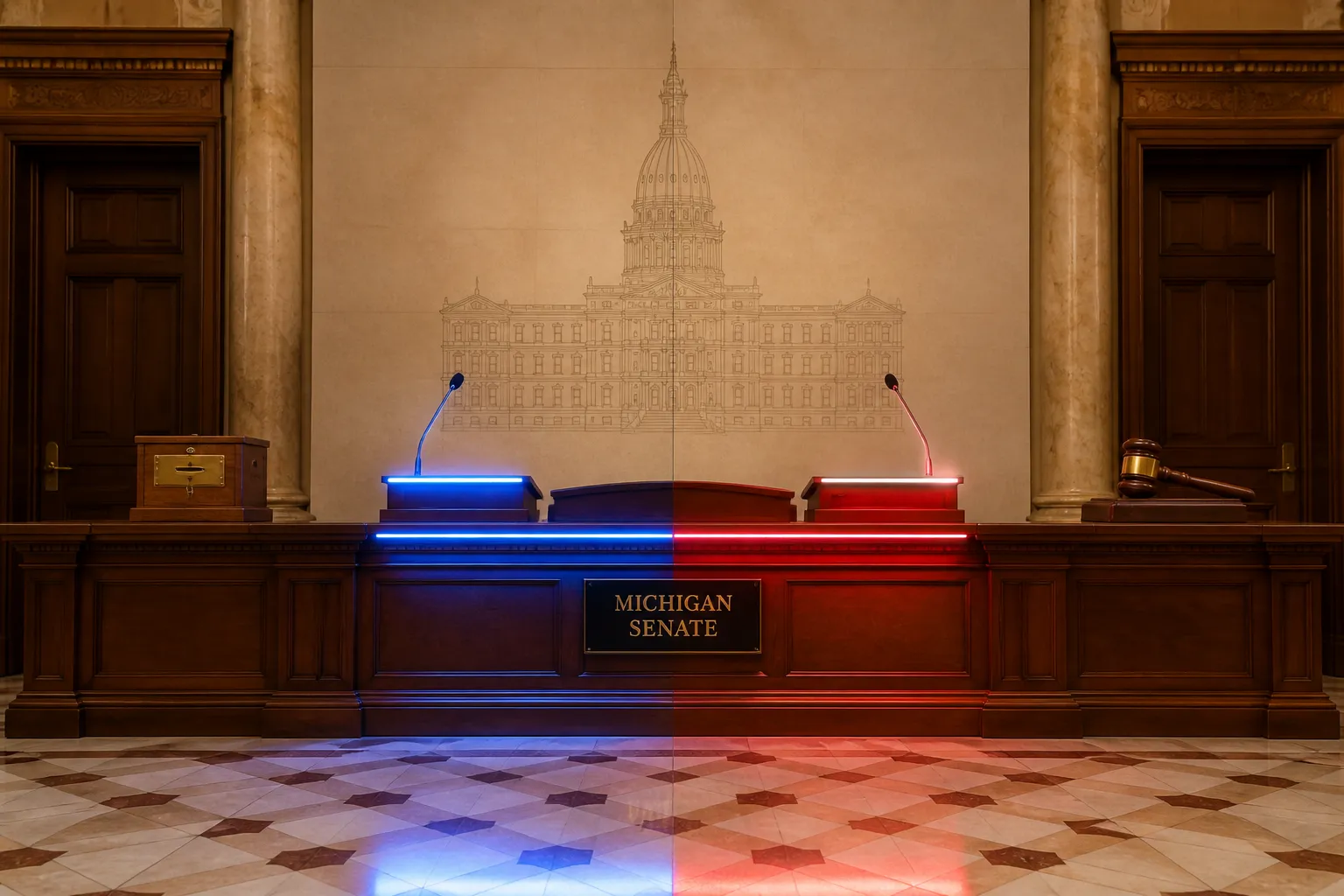
On July 27, 2026, Detroit hosted the final showdown between two of Michigan’s most prominent Democratic Senate hopefuls: Rep. Haley Stevens and former Wayne County health director Abdul El‑Sayed. The live debate, broadcast on Fox 2 Detroit, set the stage for the August 4 primary that will decide who will take over the seat currently held by Democrat Gary Peters.
Peters, who announced in 2025 that he would not seek a third term, has become a linchpin for Democrats hoping to flip the Senate. The winner of the Michigan primary will inherit Peters’ seat—a victory that could tip the balance in Washington.
Stevens, a U.S. Representative from Oakland County’s 11th Congressional District, positions herself as the establishment candidate. Her résumé includes a stint on Barack Obama’s auto task force that steered General Motors and Chrysler through the 2009 crisis. She has earned endorsements from Gov. Gretchen Whitmer, Attorney General Dana Nessel, Senator Gary Peters, former Senator Debbie Stabenow, and the chair of the legislative Black Caucus. In a post‑debate video on X, Detroit Police Commissioner Victoria Camillo announced her support for Stevens.
El‑Sayed, a physician and former public health official who ran for governor in 2018, brands himself as the progressive alternative. His platform calls for Medicare for all, the abolition of ICE, and a reduction in U.S. military aid to Israel. The candidate has the backing of Democratic Socialists of America figures, including Senator Bernie Sanders, Rep. Alexandria Ocasio‑Cortez, Rep. Rashida Tlaib, and UAW President Shawn Fain.
During the debate, El‑Sayed clarified that he is not a socialist, describing himself as a capitalist who understands how the system works. He endorsed government regulation of business and opposed monopolies, though he stopped short of detailing strategies to curb wealth concentration or Wall Street influence.
Stevens countered by highlighting her experience working with the auto industry and her role on the Obama task force. She framed herself as a pragmatic capitalist and warned that she would not support additional funding for ICE.
A major point of contention was campaign finance. Stevens accused El‑Sayed of taking “foreign” money and of voting to fund foreign governments, specifically Israel. She has been a vocal defender of Israel and has opposed an amendment to cut $3.3 billion in U.S. military aid to the country. In a post on X, she labeled El‑Sayed an antisemite.
El‑Sayed rebutted by reaffirming his intention to abolish ICE while stressing his support for a secure border and enforcement of immigration policy. He also described his stance on trade as “targeted tariffs” against China and criticized the U.S.–Mexico–Canada Agreement.
Funding for both campaigns has been substantial. Reports indicate that outside groups have spent $60 million on Stevens’ campaign, with $30–$34 million coming from super PACs backed by the American Israel Public Affairs Committee (AIPAC). El‑Sayed’s campaign has benefited from endorsements by the UAW and the American Federation of Teachers.
Polling data reveals a split electorate. An Emerson College poll released Thursday, just days before the primary, showed El‑Sayed leading Stevens 54% to 39%, with 6% undecided. Other polls have shown Stevens ahead, and the most recent opinion poll mentioned in the source indicates that El‑Sayed is leading by a substantial margin.
The August 4 primary is closely watched on the national stage because the outcome will influence the Senate’s partisan balance. Republicans have not won a Senate election in Michigan since 1994, and the seat is one of only two Democratic‑held Senate seats up for election in a state that voted for Donald Trump in 2024.
The race is expected to be competitive, with the primary winner facing former congressman Mike Rogers in the November general election. Campaigns will continue to focus on healthcare, immigration, trade, and foreign policy as the primary approaches.
In the weeks ahead, both candidates will intensify fundraising, sharpen their outreach, and push their messages to voters. The final result will set the stage for the November showdown, determining who will ultimately represent Michigan in the U.S. Senate.
Peters, who announced in 2025 that he would not seek a third term, has become a linchpin for Democrats hoping to flip the Senate. The winner of the Michigan primary will inherit Peters’ seat—a victory that could tip the balance in Washington.
Stevens, a U.S. Representative from Oakland County’s 11th Congressional District, positions herself as the establishment candidate. Her résumé includes a stint on Barack Obama’s auto task force that steered General Motors and Chrysler through the 2009 crisis. She has earned endorsements from Gov. Gretchen Whitmer, Attorney General Dana Nessel, Senator Gary Peters, former Senator Debbie Stabenow, and the chair of the legislative Black Caucus. In a post‑debate video on X, Detroit Police Commissioner Victoria Camillo announced her support for Stevens.
El‑Sayed, a physician and former public health official who ran for governor in 2018, brands himself as the progressive alternative. His platform calls for Medicare for all, the abolition of ICE, and a reduction in U.S. military aid to Israel. The candidate has the backing of Democratic Socialists of America figures, including Senator Bernie Sanders, Rep. Alexandria Ocasio‑Cortez, Rep. Rashida Tlaib, and UAW President Shawn Fain.
During the debate, El‑Sayed clarified that he is not a socialist, describing himself as a capitalist who understands how the system works. He endorsed government regulation of business and opposed monopolies, though he stopped short of detailing strategies to curb wealth concentration or Wall Street influence.
Stevens countered by highlighting her experience working with the auto industry and her role on the Obama task force. She framed herself as a pragmatic capitalist and warned that she would not support additional funding for ICE.
A major point of contention was campaign finance. Stevens accused El‑Sayed of taking “foreign” money and of voting to fund foreign governments, specifically Israel. She has been a vocal defender of Israel and has opposed an amendment to cut $3.3 billion in U.S. military aid to the country. In a post on X, she labeled El‑Sayed an antisemite.
El‑Sayed rebutted by reaffirming his intention to abolish ICE while stressing his support for a secure border and enforcement of immigration policy. He also described his stance on trade as “targeted tariffs” against China and criticized the U.S.–Mexico–Canada Agreement.
Funding for both campaigns has been substantial. Reports indicate that outside groups have spent $60 million on Stevens’ campaign, with $30–$34 million coming from super PACs backed by the American Israel Public Affairs Committee (AIPAC). El‑Sayed’s campaign has benefited from endorsements by the UAW and the American Federation of Teachers.
Polling data reveals a split electorate. An Emerson College poll released Thursday, just days before the primary, showed El‑Sayed leading Stevens 54% to 39%, with 6% undecided. Other polls have shown Stevens ahead, and the most recent opinion poll mentioned in the source indicates that El‑Sayed is leading by a substantial margin.
The August 4 primary is closely watched on the national stage because the outcome will influence the Senate’s partisan balance. Republicans have not won a Senate election in Michigan since 1994, and the seat is one of only two Democratic‑held Senate seats up for election in a state that voted for Donald Trump in 2024.
The race is expected to be competitive, with the primary winner facing former congressman Mike Rogers in the November general election. Campaigns will continue to focus on healthcare, immigration, trade, and foreign policy as the primary approaches.
In the weeks ahead, both candidates will intensify fundraising, sharpen their outreach, and push their messages to voters. The final result will set the stage for the November showdown, determining who will ultimately represent Michigan in the U.S. Senate.