Blab Politics
NYC Mayor Zohran Mamdani Excluded from Speaking at Queens Funeral of Army Sergeant Angel Sarah Rampersad
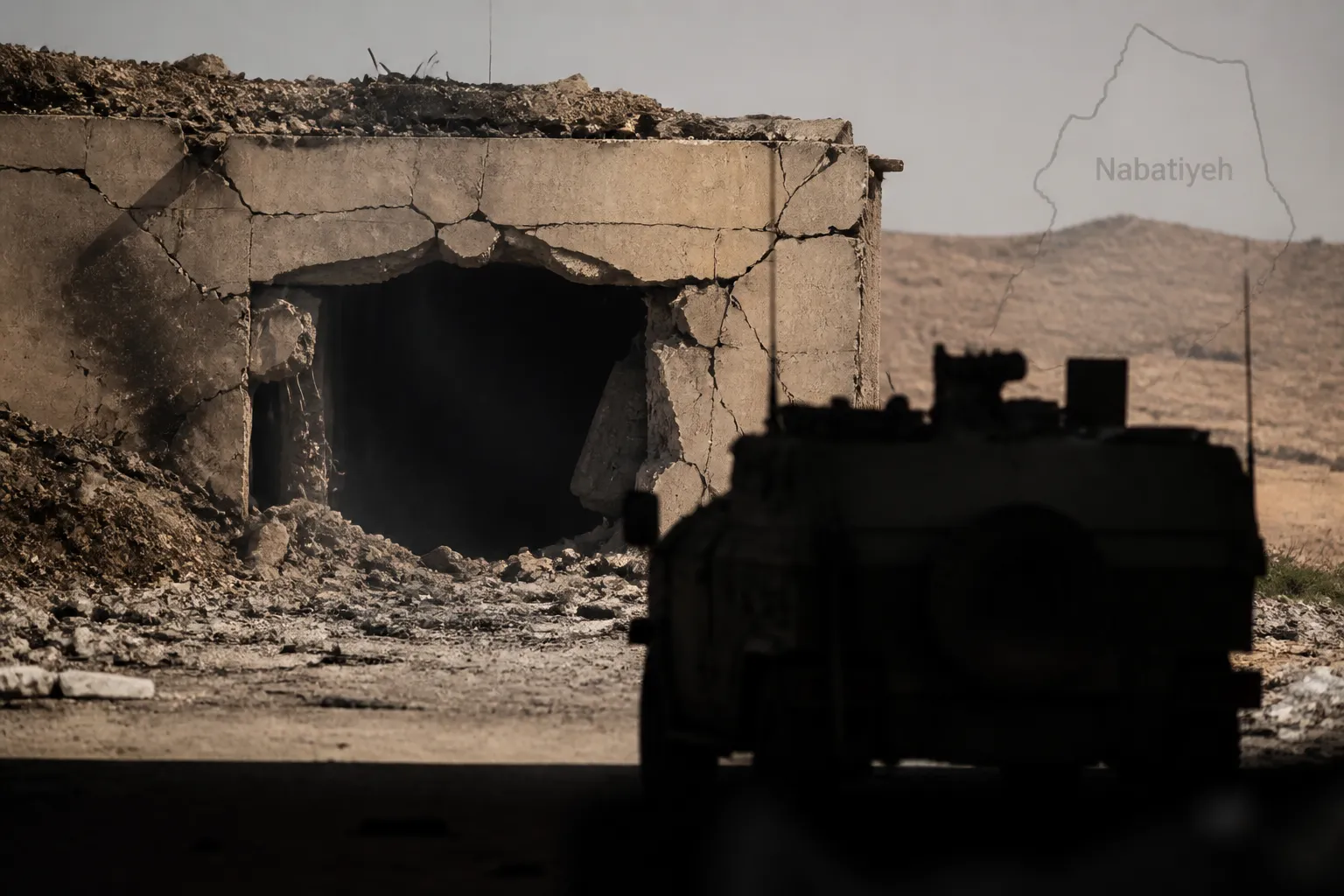
On Friday, New York City Mayor Zohran Mamdani was not invited to speak at the funeral of Army Staff Sergeant Angel Sarah Rampersad, a 28‑year‑old Queens soldier who was killed in an Iranian missile strike on July 17 at the Muwaffaq Salti Air Base in Jordan.
The ceremony, held at Calvary Assembly of God in Ozone Park, drew hundreds of mourners—family, neighbors and fellow soldiers. While Governor Kathy Hochul, Queens Borough President Donovan Richards and State Senator Joseph Addabbo Jr. took turns at the podium, the mayor sat in the fourth row of the church, reviewing his prepared remarks on an iPad.
According to witnesses who attended the funeral, the mayor had written a eulogy in advance. City Councilman Frank Morano, who was seated near Mamdani, told reporters that he had expected the mayor to be given a chance to speak.
The mayor’s office did not respond to requests for comment during the service. After the funeral, the office released the prepared remarks, describing them simply as “remarks as prepared.” In the statement, Mamdani reflected on the sacrifice of fallen soldiers and noted that Rampersad had given up her future so that others could enjoy theirs.
Sources close to the funeral arrangements said that the decision to omit the mayor from the speaker list was influenced by the political leanings of Rampersad’s family. The family, described as supporters of former President Donald Trump, reportedly wanted the service to remain free of political undertones. Funeral organizers shared that preference.
Sergeant Rampersad was one of three U.S. soldiers killed in the July 17 strike that also wounded a second soldier and left a third missing. She grew up in Ozone Park, graduated from John Jay College of Criminal Justice, and joined the Army following in the footsteps of an uncle who had also served.
Mamdani, a self‑described democratic socialist and the city’s first Muslim and Asian‑American mayor, has been a polarizing figure in New York politics. He has been vocal in his criticism of Israel and of past U.S. military actions against Iran. In the weeks before the funeral, he participated in a housing‑related event featuring a double‑decker bus tour and gave interviews to several national publications.
The mayor’s absence from the funeral also raised questions about whether he visited Rampersad’s family in the days after her death. No such visit was recorded on his official schedule or on his social‑media accounts.
The funeral service itself followed a traditional format, with gospel hymns and a procession led by NYPD officers. Governor Hochul delivered a speech to mourners, followed by local officials. The service concluded with a police procession carrying the coffin to the final resting place on Long Island.
The incident has drawn attention to the broader context of U.S. military involvement in the Middle East. The Iranian missile strike that killed Rampersad was part of a series of attacks on U.S. forces in Jordan, which have intensified since the U.S. and Israel entered a war with Iran in February 2026.
While the mayor’s office has not issued a statement, the event underscores the sensitivity of public ceremonies involving fallen soldiers, especially when political affiliations are involved. The family’s desire for a non‑political tribute, the mayor’s prepared remarks, and the absence of a visit from city leadership all point to a complex interplay between personal grief and public protocol.
The funeral was attended by a cross‑section of the community, and the service was marked by a sense of solemnity and respect for a young soldier who had served her country.
The incident remains a point of discussion among local officials and the community. No further actions or statements have been announced by the mayor’s office or by city leadership.
The story illustrates how political considerations can intersect with public memorials, and it highlights the importance of clear communication and sensitivity when honoring fallen service members.
The ceremony, held at Calvary Assembly of God in Ozone Park, drew hundreds of mourners—family, neighbors and fellow soldiers. While Governor Kathy Hochul, Queens Borough President Donovan Richards and State Senator Joseph Addabbo Jr. took turns at the podium, the mayor sat in the fourth row of the church, reviewing his prepared remarks on an iPad.
According to witnesses who attended the funeral, the mayor had written a eulogy in advance. City Councilman Frank Morano, who was seated near Mamdani, told reporters that he had expected the mayor to be given a chance to speak.
The mayor’s office did not respond to requests for comment during the service. After the funeral, the office released the prepared remarks, describing them simply as “remarks as prepared.” In the statement, Mamdani reflected on the sacrifice of fallen soldiers and noted that Rampersad had given up her future so that others could enjoy theirs.
Sources close to the funeral arrangements said that the decision to omit the mayor from the speaker list was influenced by the political leanings of Rampersad’s family. The family, described as supporters of former President Donald Trump, reportedly wanted the service to remain free of political undertones. Funeral organizers shared that preference.
Sergeant Rampersad was one of three U.S. soldiers killed in the July 17 strike that also wounded a second soldier and left a third missing. She grew up in Ozone Park, graduated from John Jay College of Criminal Justice, and joined the Army following in the footsteps of an uncle who had also served.
Mamdani, a self‑described democratic socialist and the city’s first Muslim and Asian‑American mayor, has been a polarizing figure in New York politics. He has been vocal in his criticism of Israel and of past U.S. military actions against Iran. In the weeks before the funeral, he participated in a housing‑related event featuring a double‑decker bus tour and gave interviews to several national publications.
The mayor’s absence from the funeral also raised questions about whether he visited Rampersad’s family in the days after her death. No such visit was recorded on his official schedule or on his social‑media accounts.
The funeral service itself followed a traditional format, with gospel hymns and a procession led by NYPD officers. Governor Hochul delivered a speech to mourners, followed by local officials. The service concluded with a police procession carrying the coffin to the final resting place on Long Island.
The incident has drawn attention to the broader context of U.S. military involvement in the Middle East. The Iranian missile strike that killed Rampersad was part of a series of attacks on U.S. forces in Jordan, which have intensified since the U.S. and Israel entered a war with Iran in February 2026.
While the mayor’s office has not issued a statement, the event underscores the sensitivity of public ceremonies involving fallen soldiers, especially when political affiliations are involved. The family’s desire for a non‑political tribute, the mayor’s prepared remarks, and the absence of a visit from city leadership all point to a complex interplay between personal grief and public protocol.
The funeral was attended by a cross‑section of the community, and the service was marked by a sense of solemnity and respect for a young soldier who had served her country.
The incident remains a point of discussion among local officials and the community. No further actions or statements have been announced by the mayor’s office or by city leadership.
The story illustrates how political considerations can intersect with public memorials, and it highlights the importance of clear communication and sensitivity when honoring fallen service members.