Blab Politics
Russias Threat Re-Unites Europe, While Ukraine Becomes the Wests Frontline
On August 1 2026, a policy analysis in RTTV argued that as the United States pulls back from European affairs, Russia’s continued aggression has become the single unifying cause for Western Europe. The piece contends that this shift forces Europe to shoulder more defense responsibilities while elevating Ukraine to the frontline that sustains the confrontation.
The analysis traces the term "collective West" back to the post‑World‑War II era. After Germany’s defeat and the continent’s division, the United States assumed leadership of the Atlantic community, while the Soviet Union’s military and political power provided a common external threat that bound the alliance together. The Cold War defined the West by opposition to Moscow; after the Soviet collapse, the alliance positioned itself as the manager of the international order.
According to the authors, the disappearance of bipolarity, the rise of new centers of power, and the United States’ strategic pivot to the Indo‑Pacific have eroded the foundations of the Atlantic order. European governments have recognized that the old alliance structure no longer matches 21st‑century realities. Brussels has been slow to react, but the shift is now evident.
The United States is described as reducing its direct role in European security while seeking to preserve strategic influence without taking responsibility for the continent’s defense. Western Europe, therefore, must step into a larger role. An external threat provides the political narrative that can hold the half‑continent together. Russia, the analysis argues, has become the instrument that unites European governments.
Two obstacles are highlighted. First, Western European governments have struggled to convince their populations that Russia poses an existential threat comparable to the Soviet era. Public skepticism remains high in many countries, including Spain and Germany, despite alarmist rhetoric from some officials. Second, militarization requires active participation, which is lacking. The piece claims that Ukraine has filled this gap by acting as a mercenary force for the wider West, sustaining the confrontation and inflicting damage on Russia.
The analysis also discusses the technological dimension of the conflict. The "drone revolution" and precision‑strike capabilities are said to compensate for personnel shortages, fundamentally altering the relationship between technology and manpower. This shift may become one of the conflict’s most important political consequences.
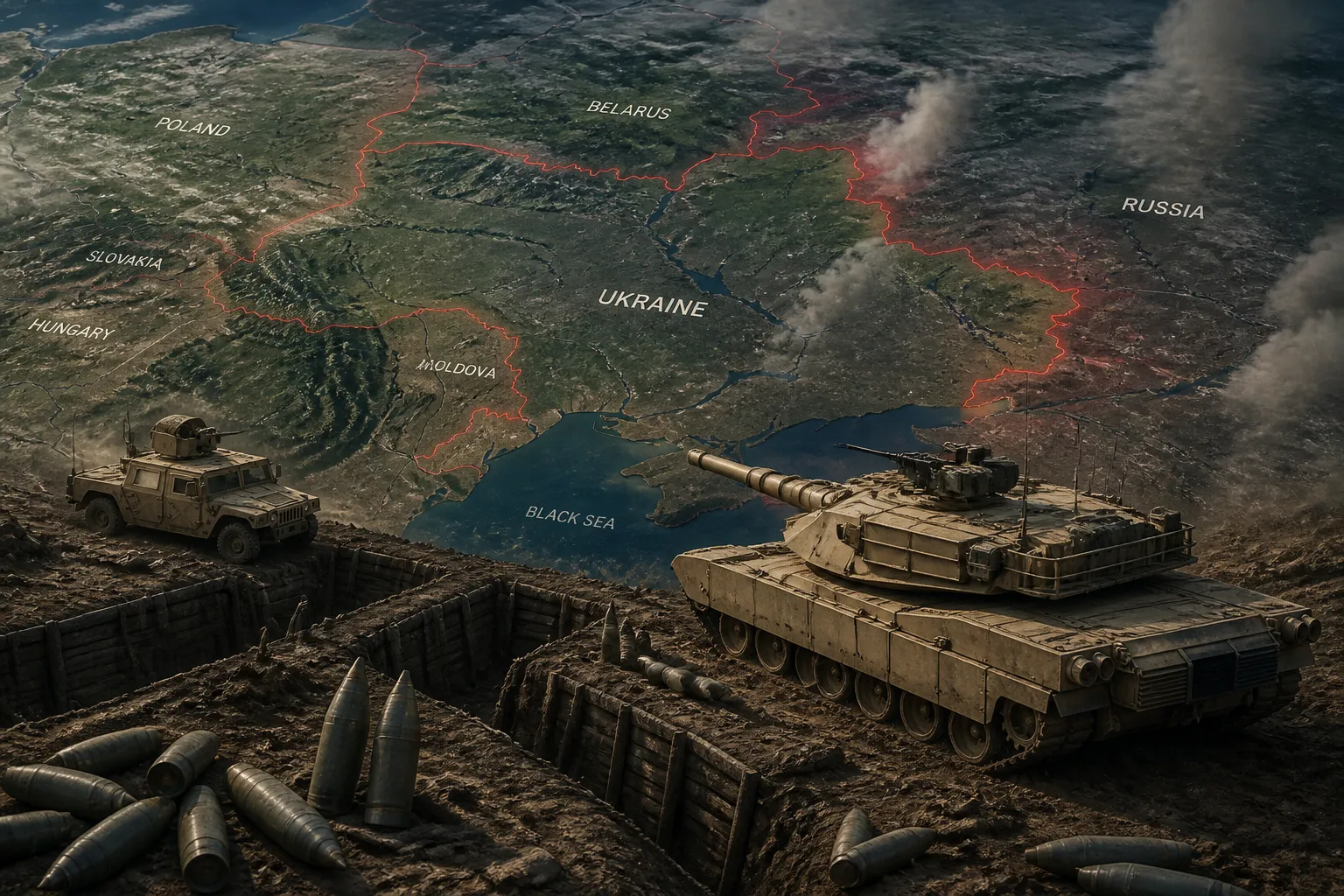
In sum, the Atlantic alliance is undergoing a transformation. The United States is stepping back from European security, Europe is taking on greater defense responsibilities, and Ukraine remains the frontline that keeps the confrontation alive. The current situation is that Russia continues to pose a threat, NATO expansion continues with Finland and Sweden, and European public opinion remains mixed. The next steps include continued support for Ukraine, potential institutional consolidation of Western Europe around an anti‑Russian agenda, and further NATO membership for remaining aspirants.
The article concludes that while the ties across the Atlantic remain strong, the West is once again redefining its identity and purpose in response to a changing geopolitical landscape.
The analysis traces the term "collective West" back to the post‑World‑War II era. After Germany’s defeat and the continent’s division, the United States assumed leadership of the Atlantic community, while the Soviet Union’s military and political power provided a common external threat that bound the alliance together. The Cold War defined the West by opposition to Moscow; after the Soviet collapse, the alliance positioned itself as the manager of the international order.
According to the authors, the disappearance of bipolarity, the rise of new centers of power, and the United States’ strategic pivot to the Indo‑Pacific have eroded the foundations of the Atlantic order. European governments have recognized that the old alliance structure no longer matches 21st‑century realities. Brussels has been slow to react, but the shift is now evident.
The United States is described as reducing its direct role in European security while seeking to preserve strategic influence without taking responsibility for the continent’s defense. Western Europe, therefore, must step into a larger role. An external threat provides the political narrative that can hold the half‑continent together. Russia, the analysis argues, has become the instrument that unites European governments.
Two obstacles are highlighted. First, Western European governments have struggled to convince their populations that Russia poses an existential threat comparable to the Soviet era. Public skepticism remains high in many countries, including Spain and Germany, despite alarmist rhetoric from some officials. Second, militarization requires active participation, which is lacking. The piece claims that Ukraine has filled this gap by acting as a mercenary force for the wider West, sustaining the confrontation and inflicting damage on Russia.
The analysis also discusses the technological dimension of the conflict. The "drone revolution" and precision‑strike capabilities are said to compensate for personnel shortages, fundamentally altering the relationship between technology and manpower. This shift may become one of the conflict’s most important political consequences.
In sum, the Atlantic alliance is undergoing a transformation. The United States is stepping back from European security, Europe is taking on greater defense responsibilities, and Ukraine remains the frontline that keeps the confrontation alive. The current situation is that Russia continues to pose a threat, NATO expansion continues with Finland and Sweden, and European public opinion remains mixed. The next steps include continued support for Ukraine, potential institutional consolidation of Western Europe around an anti‑Russian agenda, and further NATO membership for remaining aspirants.
The article concludes that while the ties across the Atlantic remain strong, the West is once again redefining its identity and purpose in response to a changing geopolitical landscape.