Blab Politics
Tens of Thousands Flood Ceuta, 57 Die as Spain Deploys Military Amid EU Backlash
On July 30‑31 2026, more than 50,000 migrants surged into Ceuta, Spain’s North‑African enclave, forcing the government to mobilize the military and triggering a sharp diplomatic backlash across the European Union.
The episode began in the early hours of July 30, when groups of people swam past the breakwaters at El Tarajal and Benzú or scaled the 10‑meter fence that separates Ceuta from Morocco. Within 24 hours, Reuters and AP reported that roughly 60,000 people had entered the enclave, a figure that is five to six times larger than the 8,000 who crossed in the 2021 incident. The majority of the migrants were Moroccan, but the group also included individuals from other African countries.
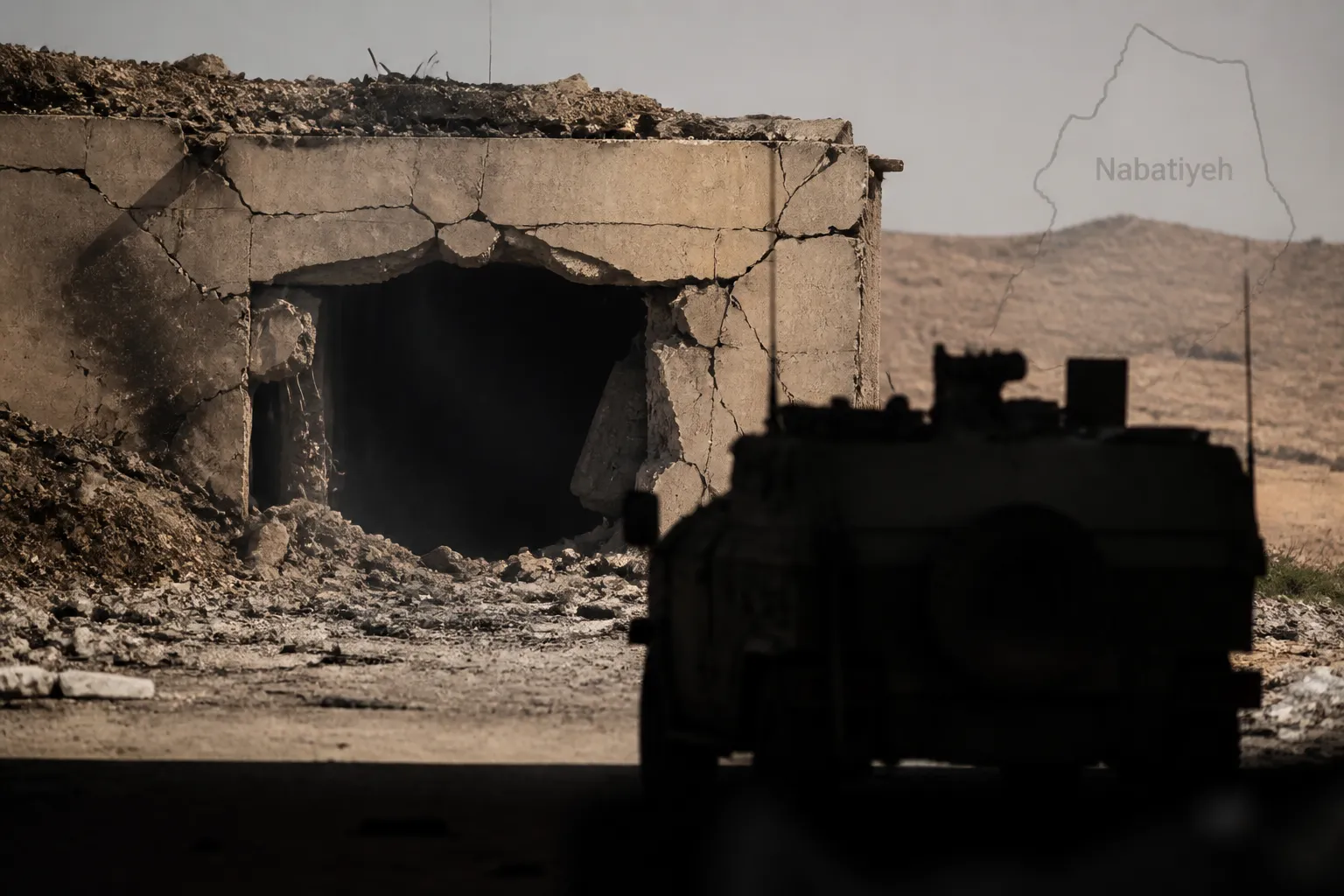
The influx resulted in 57 deaths—most of the victims were crushed or drowned while attempting to breach the enclave’s fortified border. Spanish authorities responded by deploying the Guardia Civil, the Spanish Army, and the Civil Guard to the enclave. The military set up checkpoints, reinforced the existing fence, and established a temporary state of emergency. Transport Minister Oscar Puente described the crisis as a “violation of Spain’s territorial integrity” and said the government would take “all necessary measures” to restore order. President Pedro Sanchez called the event a “border attack” and announced that the enclave was now under a state of emergency.
The incident triggered a sharp political reaction across the European Union. A letter signed by 22 right‑wing governments, including Italy’s Prime Minister Giorgia Meloni and France’s Marine Le Pen‑aligned Rassemblement National, implicitly criticized Spain for the crisis while refusing to offer solidarity. Meloni’s government announced temporary border controls with Spain and cited concerns over Schengen security. In France, RN leader Jordan Bardella accused Spain’s socialist government of “opening the doors of Europe.” The EU’s home affairs commissioner confirmed that none of the migrants had reached the European mainland.
Amid the European backlash, Israel’s UN ambassador Danny Danon publicly criticized Spain, suggesting that the enclave’s “state of emergency” was a response to Spain’s policies toward Gaza. Danon’s remarks were quickly countered by Israel’s ambassador to Spain, Dana Ehrlich, who clarified that Danon does not represent the Israeli government. The exchange drew attention to the broader geopolitical context, as Spain has recently strengthened ties with Morocco and has been a vocal supporter of Israel in the Middle East.
Ceuta, an autonomous Spanish city on the Mediterranean coast, has been a point of contention since the 15th century. The enclave, along with Melilla, is one of Spain’s two African territories and is subject to the Schengen Agreement. The 2021 border incident, which involved 8,000 migrants, led to a diplomatic crisis between Spain and Morocco and prompted a review of border security. The 2026 surge has intensified calls for stronger border controls and a reassessment of the enclave’s status within the EU.
The Spanish government has indicated that it will review its border‑security policies and may seek additional resources from the EU. The European Commission has opened a dialogue with Spain to coordinate a response and to prevent future large‑scale crossings. Meanwhile, the Moroccan government has stated that it will cooperate with Spain to manage the situation, though it has also warned that it will not tolerate repeated breaches.
As of August 1, 2026, the majority of the migrants who entered Ceuta have voluntarily returned to Morocco. Spanish authorities have confirmed that the enclave’s border is now under tighter control, and the military presence remains in place. The incident has highlighted the fragility of the EU’s external borders and the need for coordinated policy responses to migration flows.
The current situation remains fluid. Spain is expected to submit a report to the European Parliament detailing the incident and proposing new security measures. The EU is reviewing its border‑management framework, and the Spanish government is preparing to hold a parliamentary debate on the enclave’s future status. No further large‑scale crossings have been reported, but authorities warn that the situation could change if economic or political conditions in Morocco shift.
The episode began in the early hours of July 30, when groups of people swam past the breakwaters at El Tarajal and Benzú or scaled the 10‑meter fence that separates Ceuta from Morocco. Within 24 hours, Reuters and AP reported that roughly 60,000 people had entered the enclave, a figure that is five to six times larger than the 8,000 who crossed in the 2021 incident. The majority of the migrants were Moroccan, but the group also included individuals from other African countries.
The influx resulted in 57 deaths—most of the victims were crushed or drowned while attempting to breach the enclave’s fortified border. Spanish authorities responded by deploying the Guardia Civil, the Spanish Army, and the Civil Guard to the enclave. The military set up checkpoints, reinforced the existing fence, and established a temporary state of emergency. Transport Minister Oscar Puente described the crisis as a “violation of Spain’s territorial integrity” and said the government would take “all necessary measures” to restore order. President Pedro Sanchez called the event a “border attack” and announced that the enclave was now under a state of emergency.
The incident triggered a sharp political reaction across the European Union. A letter signed by 22 right‑wing governments, including Italy’s Prime Minister Giorgia Meloni and France’s Marine Le Pen‑aligned Rassemblement National, implicitly criticized Spain for the crisis while refusing to offer solidarity. Meloni’s government announced temporary border controls with Spain and cited concerns over Schengen security. In France, RN leader Jordan Bardella accused Spain’s socialist government of “opening the doors of Europe.” The EU’s home affairs commissioner confirmed that none of the migrants had reached the European mainland.
Amid the European backlash, Israel’s UN ambassador Danny Danon publicly criticized Spain, suggesting that the enclave’s “state of emergency” was a response to Spain’s policies toward Gaza. Danon’s remarks were quickly countered by Israel’s ambassador to Spain, Dana Ehrlich, who clarified that Danon does not represent the Israeli government. The exchange drew attention to the broader geopolitical context, as Spain has recently strengthened ties with Morocco and has been a vocal supporter of Israel in the Middle East.
Ceuta, an autonomous Spanish city on the Mediterranean coast, has been a point of contention since the 15th century. The enclave, along with Melilla, is one of Spain’s two African territories and is subject to the Schengen Agreement. The 2021 border incident, which involved 8,000 migrants, led to a diplomatic crisis between Spain and Morocco and prompted a review of border security. The 2026 surge has intensified calls for stronger border controls and a reassessment of the enclave’s status within the EU.
The Spanish government has indicated that it will review its border‑security policies and may seek additional resources from the EU. The European Commission has opened a dialogue with Spain to coordinate a response and to prevent future large‑scale crossings. Meanwhile, the Moroccan government has stated that it will cooperate with Spain to manage the situation, though it has also warned that it will not tolerate repeated breaches.
As of August 1, 2026, the majority of the migrants who entered Ceuta have voluntarily returned to Morocco. Spanish authorities have confirmed that the enclave’s border is now under tighter control, and the military presence remains in place. The incident has highlighted the fragility of the EU’s external borders and the need for coordinated policy responses to migration flows.
The current situation remains fluid. Spain is expected to submit a report to the European Parliament detailing the incident and proposing new security measures. The EU is reviewing its border‑management framework, and the Spanish government is preparing to hold a parliamentary debate on the enclave’s future status. No further large‑scale crossings have been reported, but authorities warn that the situation could change if economic or political conditions in Morocco shift.