Blab Politics
Houthis Intensify Red Sea Attacks; Saudi, U.S. Respond as Yemen Faces Crisis
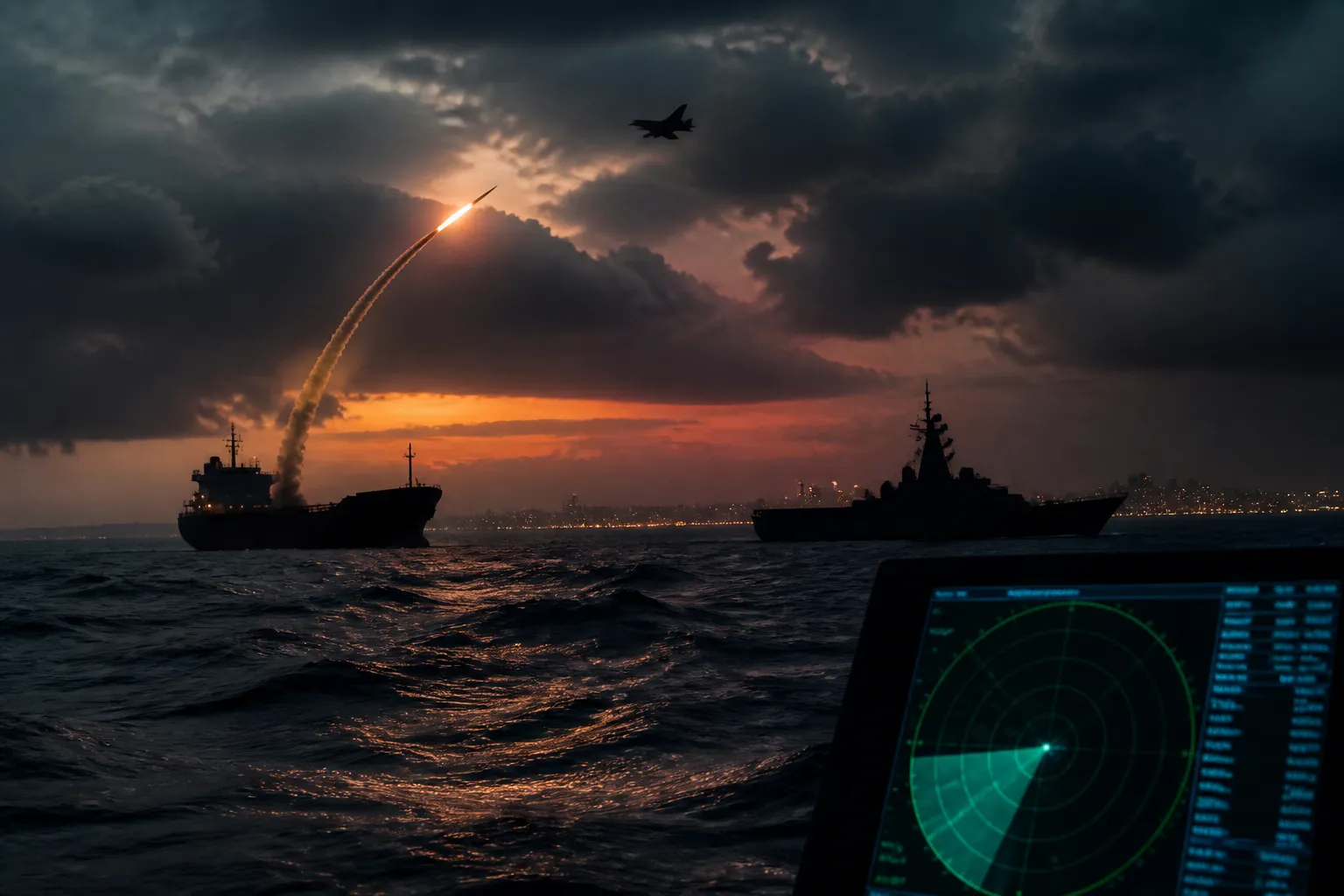
On Aug. 5, 2026, the Red Sea erupted into a fresh flare‑up of Yemen’s long‑standing conflict. The Iran‑backed Houthi militia struck a Saudi oil tanker in the northern waters, announcing a plan to broaden attacks and “close all access routes” to Saudi oil shipments. That same day a Saudi tanker sustained damage, and an Indian cargo ship was sunk off Yemen’s coast; international maritime authorities rescued the crew.
In the early hours, Houthi forces also launched a missile strike on the port of Hodeidah, a key maritime hub on the Arabian Sea. The attack caused only minor structural damage, yet it claimed the lives of 16 Saudi Army soldiers and wounded 22 others. Blood trails from wounded Houthi fighters were later found near the site, though Houthi casualties were not disclosed. A cargo ship passing the port was fired upon but emerged unscathed.
These incidents fit a broader pattern that began in 2024, when the Houthis hijacked passing vessels and fired missiles at Israeli and Saudi targets. In July 2026 they declared a maritime blockade of Saudi ports, and on July 20 they claimed to have struck a tanker off Yanbu. In response, Saudi Arabia has prepared to resume airstrikes on Houthi positions in Sanaa and other Houthi‑held areas, while the U.S. Navy has signaled that destroyers may be deployed to the Red Sea to target Houthi sites.
The conflict’s toll extends beyond the sea. Air travel to Houthi‑controlled Sanaa International Airport has been suspended, leaving the Yemeni capital without a functioning international gateway and deepening an already dire humanitarian crisis. Earlier in 2026, Sanaa suffered severe environmental damage—including water shortages, air pollution, deforestation, and infrastructure collapse—prompting urgent calls for foreign aid to avert starvation and disease.
Saudi Arabia and the United Arab Emirates remain at odds over Yemen’s future. The Saudis continue to push for a unified Yemen and have bombed weapons shipments from the UAE to the Southern Transitional Council (STC), which controls much of southern Yemen. The STC, once dominant in Aden and surrounding provinces, lost most of its territory after a Saudi‑backed counter‑offensive in early 2026, and its status remains contested.
Iran’s role has fluctuated. While the Houthis historically received rockets and missiles from Iran, Israeli airstrikes in 2024 destroyed key Iranian missile production facilities, limiting Iran’s supply capacity. Nonetheless, Iranian officials have continued to provide support, and the Houthis have resumed attacks on shipping in the Red Sea.
The Red Sea is a critical maritime corridor. The Bab al‑Mandeb Strait links the Red Sea to the Gulf of Aden and the Indian Ocean, and the Suez Canal at the northern end funnels a large share of global oil traffic into the Mediterranean. Attacks on Saudi tankers and other vessels threaten to disrupt oil flows, driving up freight and insurance costs.
In addition to Saudi airstrikes on Hodeidah and other Houthi‑held targets, Israel conducted air and naval strikes on the port following a Houthi missile strike near Tel Aviv’s main airport. The United States has carried out airstrikes across Yemen, targeting Houthi positions and economic infrastructure.
Negotiations with Sunni tribes in southern Yemen have stalled after a Sunni tribal leader was seized by the Houthis, putting a planned prisoner exchange on hold.
The situation remains fluid. The Houthis continue to target shipping, while Saudi Arabia and the United States maintain a posture of readiness to strike Houthi positions. The humanitarian crisis in Sanaa and the broader conflict in Yemen persist, and the international community keeps a close eye on the potential for further escalation.
In the early hours, Houthi forces also launched a missile strike on the port of Hodeidah, a key maritime hub on the Arabian Sea. The attack caused only minor structural damage, yet it claimed the lives of 16 Saudi Army soldiers and wounded 22 others. Blood trails from wounded Houthi fighters were later found near the site, though Houthi casualties were not disclosed. A cargo ship passing the port was fired upon but emerged unscathed.
These incidents fit a broader pattern that began in 2024, when the Houthis hijacked passing vessels and fired missiles at Israeli and Saudi targets. In July 2026 they declared a maritime blockade of Saudi ports, and on July 20 they claimed to have struck a tanker off Yanbu. In response, Saudi Arabia has prepared to resume airstrikes on Houthi positions in Sanaa and other Houthi‑held areas, while the U.S. Navy has signaled that destroyers may be deployed to the Red Sea to target Houthi sites.
The conflict’s toll extends beyond the sea. Air travel to Houthi‑controlled Sanaa International Airport has been suspended, leaving the Yemeni capital without a functioning international gateway and deepening an already dire humanitarian crisis. Earlier in 2026, Sanaa suffered severe environmental damage—including water shortages, air pollution, deforestation, and infrastructure collapse—prompting urgent calls for foreign aid to avert starvation and disease.
Saudi Arabia and the United Arab Emirates remain at odds over Yemen’s future. The Saudis continue to push for a unified Yemen and have bombed weapons shipments from the UAE to the Southern Transitional Council (STC), which controls much of southern Yemen. The STC, once dominant in Aden and surrounding provinces, lost most of its territory after a Saudi‑backed counter‑offensive in early 2026, and its status remains contested.
Iran’s role has fluctuated. While the Houthis historically received rockets and missiles from Iran, Israeli airstrikes in 2024 destroyed key Iranian missile production facilities, limiting Iran’s supply capacity. Nonetheless, Iranian officials have continued to provide support, and the Houthis have resumed attacks on shipping in the Red Sea.
The Red Sea is a critical maritime corridor. The Bab al‑Mandeb Strait links the Red Sea to the Gulf of Aden and the Indian Ocean, and the Suez Canal at the northern end funnels a large share of global oil traffic into the Mediterranean. Attacks on Saudi tankers and other vessels threaten to disrupt oil flows, driving up freight and insurance costs.
In addition to Saudi airstrikes on Hodeidah and other Houthi‑held targets, Israel conducted air and naval strikes on the port following a Houthi missile strike near Tel Aviv’s main airport. The United States has carried out airstrikes across Yemen, targeting Houthi positions and economic infrastructure.
Negotiations with Sunni tribes in southern Yemen have stalled after a Sunni tribal leader was seized by the Houthis, putting a planned prisoner exchange on hold.
The situation remains fluid. The Houthis continue to target shipping, while Saudi Arabia and the United States maintain a posture of readiness to strike Houthi positions. The humanitarian crisis in Sanaa and the broader conflict in Yemen persist, and the international community keeps a close eye on the potential for further escalation.