Blab Politics
Abdul El-Sayed Wins Michigan Democratic Senate Primary, Defeating Establishment-Backed Haley Stevens
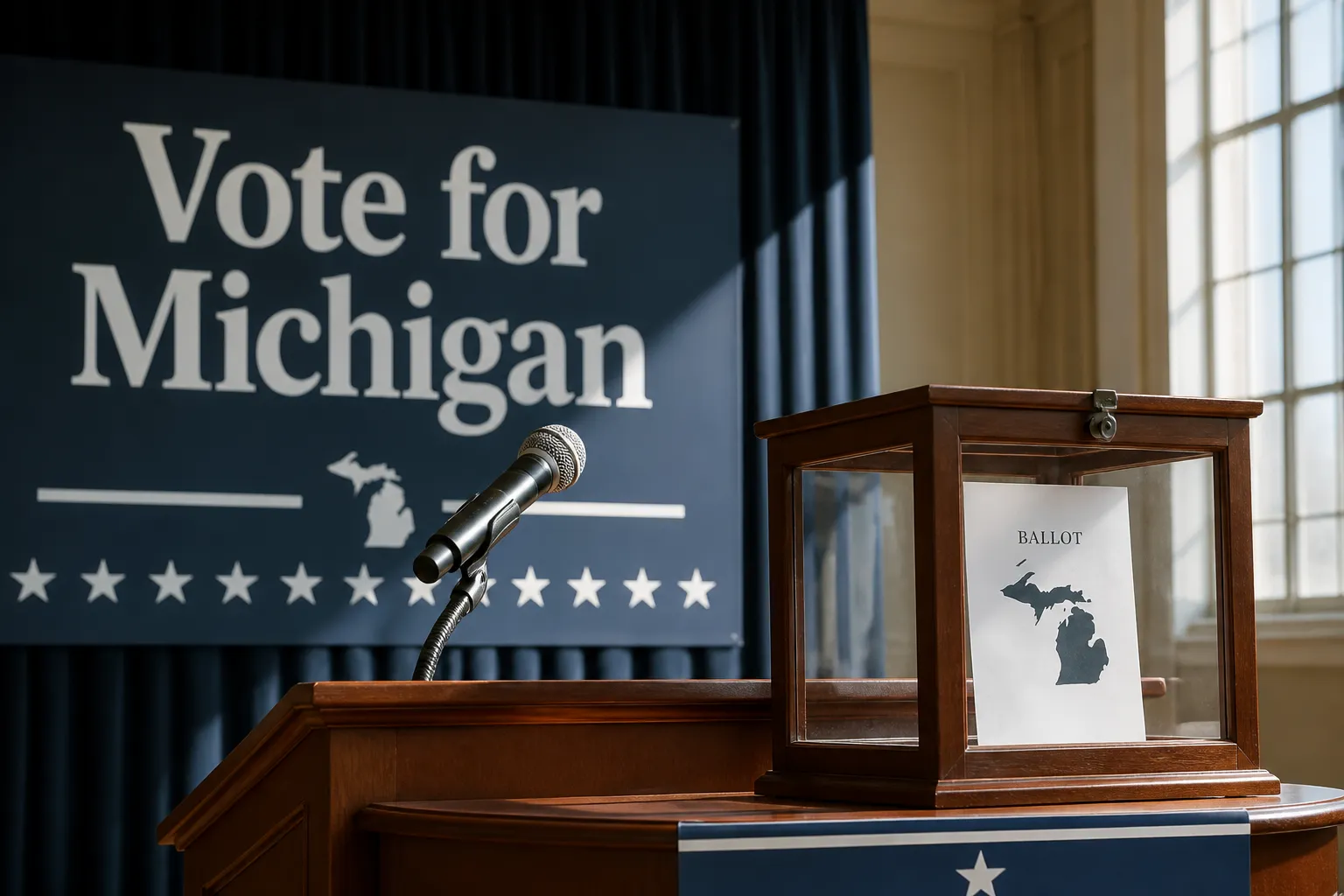
In a race that made headlines across the country, Dr. Abdul El‑Sayed edged past Representative Haley Stevens by fewer than 15,000 votes in Michigan’s August 4, 2026 Democratic primary for the open U.S. Senate seat. More than 1.5 million voters turned out, making the contest the most expensive Senate primary in American history.
El‑Sayed, a 41‑year‑old epidemiologist, captured 49.7% of the vote to Stevens’ 49.1%, a margin that underscores how tightly contested the race was. The result surprised many observers because it unfolded in a primary that attracted unprecedented outside spending.
While Stevens’ campaign benefited from over $60 million in independent expenditures, El‑Sayed’s supporters poured in roughly $3.5 million. The United Democracy Project—a super‑PAC linked to the pro‑Israel lobby AIPAC—contributed $30.6 million to Stevens, the largest single sum the group has ever spent on a race. Total spending on the contest, according to reports, topped $90 million.
El‑Sayed’s platform centers on Medicare for All, a single‑payer health system that would replace private insurance with a publicly funded insurer. He also calls for the abolition of ICE, a cut in U.S. military aid to Israel, Saudi Arabia, Jordan and Egypt, and stricter regulation of campaign finance to curb corporate influence. The campaign has drawn high‑profile endorsements from Senator Bernie Sanders and Representative Alexandria Ocasio‑Cortez.
His résumé is impressive: a Rhodes Scholar at Oxford, a medical degree from Columbia University, and service as Detroit’s health officer—making him the youngest person to hold that post in a major U.S. city. He ran for governor in 2018, finishing second in the Democratic primary to Gretchen Whitmer, and served as Wayne County health director from 2023 to 2025. If elected, he would become the first Muslim senator in U.S. history.
The Republican nominee is former congressman Mike Rogers, who has the endorsement of former President Donald Trump and a robust war chest. Rogers has accused El‑Sayed of supporting the Muslim Brotherhood, an allegation that the campaign has denied and that no evidence has substantiated. AIPAC’s United Democracy Project continues to spend on ads opposing El‑Sayed and has pledged to keep working to block his candidacy.
The primary outcome reflects a broader trend of progressive candidates overcoming establishment‑backed opponents. Michigan’s electorate straddles urban Democratic strongholds and rural areas that leaned Republican in 2024, making the state a key battleground for the 2026 midterms. Liberal commentators remain uncertain about the viability of progressive platforms in such mixed districts.
A significant portion of the opposition to El‑Sayed stemmed from the AI data‑center issue. He opposed the construction of large artificial‑intelligence data centers in Michigan, citing high electricity rates, water usage and noise pollution. The concern resonated with voters in both urban and rural parts of the state, and analysts say it helped solidify his base.
The primary result leaves the November 3, 2026 general election as the next decisive step. El‑Sayed will face Rogers in a contest that could test the reach of progressive policy positions beyond traditional Democratic constituencies. The campaign has announced plans to focus on outreach to suburban and rural voters, while Rogers’ campaign has emphasized his experience and Trump endorsement.
As of now, the primary results are certified, and both campaigns are preparing for the general election. No further votes or recounts are pending, and the next major development will be the November election, where the outcome will determine whether El‑Sayed becomes the first Muslim senator in U.S. history.
El‑Sayed, a 41‑year‑old epidemiologist, captured 49.7% of the vote to Stevens’ 49.1%, a margin that underscores how tightly contested the race was. The result surprised many observers because it unfolded in a primary that attracted unprecedented outside spending.
While Stevens’ campaign benefited from over $60 million in independent expenditures, El‑Sayed’s supporters poured in roughly $3.5 million. The United Democracy Project—a super‑PAC linked to the pro‑Israel lobby AIPAC—contributed $30.6 million to Stevens, the largest single sum the group has ever spent on a race. Total spending on the contest, according to reports, topped $90 million.
El‑Sayed’s platform centers on Medicare for All, a single‑payer health system that would replace private insurance with a publicly funded insurer. He also calls for the abolition of ICE, a cut in U.S. military aid to Israel, Saudi Arabia, Jordan and Egypt, and stricter regulation of campaign finance to curb corporate influence. The campaign has drawn high‑profile endorsements from Senator Bernie Sanders and Representative Alexandria Ocasio‑Cortez.
His résumé is impressive: a Rhodes Scholar at Oxford, a medical degree from Columbia University, and service as Detroit’s health officer—making him the youngest person to hold that post in a major U.S. city. He ran for governor in 2018, finishing second in the Democratic primary to Gretchen Whitmer, and served as Wayne County health director from 2023 to 2025. If elected, he would become the first Muslim senator in U.S. history.
The Republican nominee is former congressman Mike Rogers, who has the endorsement of former President Donald Trump and a robust war chest. Rogers has accused El‑Sayed of supporting the Muslim Brotherhood, an allegation that the campaign has denied and that no evidence has substantiated. AIPAC’s United Democracy Project continues to spend on ads opposing El‑Sayed and has pledged to keep working to block his candidacy.
The primary outcome reflects a broader trend of progressive candidates overcoming establishment‑backed opponents. Michigan’s electorate straddles urban Democratic strongholds and rural areas that leaned Republican in 2024, making the state a key battleground for the 2026 midterms. Liberal commentators remain uncertain about the viability of progressive platforms in such mixed districts.
A significant portion of the opposition to El‑Sayed stemmed from the AI data‑center issue. He opposed the construction of large artificial‑intelligence data centers in Michigan, citing high electricity rates, water usage and noise pollution. The concern resonated with voters in both urban and rural parts of the state, and analysts say it helped solidify his base.
The primary result leaves the November 3, 2026 general election as the next decisive step. El‑Sayed will face Rogers in a contest that could test the reach of progressive policy positions beyond traditional Democratic constituencies. The campaign has announced plans to focus on outreach to suburban and rural voters, while Rogers’ campaign has emphasized his experience and Trump endorsement.
As of now, the primary results are certified, and both campaigns are preparing for the general election. No further votes or recounts are pending, and the next major development will be the November election, where the outcome will determine whether El‑Sayed becomes the first Muslim senator in U.S. history.