Blab Politics
Coca-Colas Personalized Can Tool Sparks Controversy Over Inconsistent Content Filters
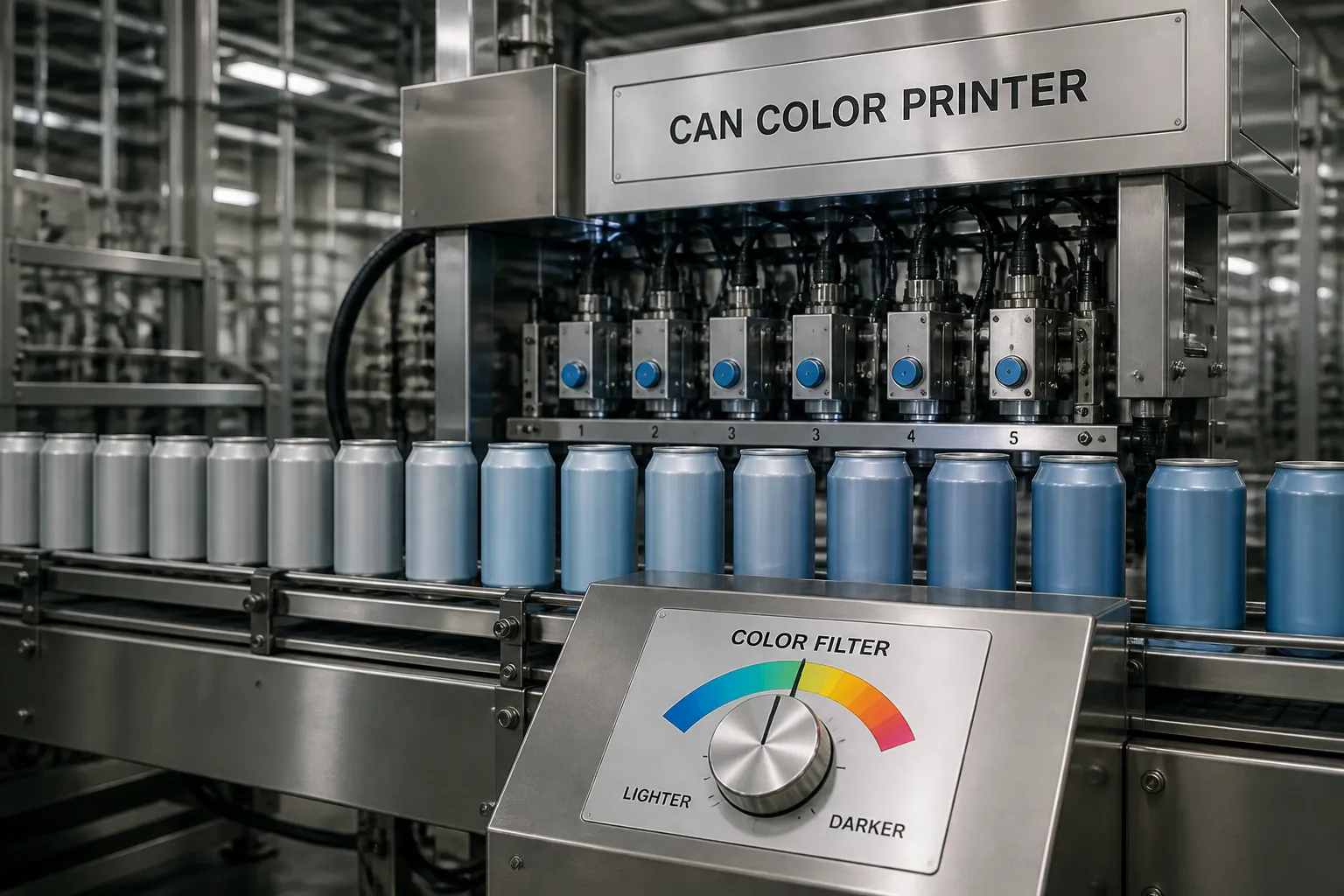
The Coca‑Cola Company’s online personalization tool, part of its long‑running Share a Coke campaign, has come under fire after a series of tests revealed that the system blocks certain political and religious phrases while allowing others that many consumers find equally controversial.
According to a Fox Business investigation released on August 7, 2026, the tool rejects slogans such as "Make America Great," "Jesus is Lord," "White Pride," "Black Pride," "Black Lives Matter," and "Free Palestine," but permits the left‑wing slogan "Defund the Police" and the far‑right group name "Proud Boys." The same report noted that the phrase "Stand with Israel" cleared the filter, whereas "Free Palestine" did not. The investigation also found that the filter allows extreme terms such as "Pedophile Pride" and "MAP Pride" (Minor‑Attracted Person).
The findings echo a similar controversy that erupted in 2024 when the company faced accusations that its content moderation was biased against Christian and conservative language. In that earlier episode, the company said it had no policy against religious or political content and that the filter was designed to block profanity and hate speech.
In response to the current backlash, a Coca‑Cola spokesperson told Fox News Digital that the personalization feature was intended "to let fans celebrate and share personalized bottles and cans with special names or phrases." The spokesperson added that the company was aware of a "technical issue affecting the personalization preview tool" and that it had "disabled the preview feature and paused new personalized product orders" while it reviews the situation.
The company’s public‑policy page notes that it follows all national laws regarding political engagement and discloses its political giving as required. However, the page does not address the specific content‑moderation policies used by the personalization tool.
Consumers who attempted to test the tool on August 8 reported that all personalization options were listed as "sold out" and that the preview feature was unavailable. The spokesperson said the pause was a precautionary measure.
The controversy has prompted calls for a boycott from some social‑media users, who argue that the company’s filtering practices discriminate against certain viewpoints. The boycott calls have been amplified by posts on platforms such as X, where users have shared screenshots of the filter’s behavior.
Coca‑Cola’s Share a Coke campaign, which began in Australia in 2011, has historically replaced the company’s logo with the phrase "Share a Coke with" followed by a person’s name. The campaign has been credited with boosting sales and engagement in multiple markets.
The company’s response to the current issue has been to pause the feature and review its moderation rules. No timeline has been announced for when the tool will be reinstated.
At this time, the company has not issued a formal statement on the specific criteria used by the filter, nor has it clarified whether the policy will be revised to address the inconsistencies highlighted by the investigation.
The incident underscores the challenges faced by large brands that offer user‑generated content features. While the company has stated that it is working to "take corrective action," the lack of transparency about the filter’s decision logic has left many consumers uncertain about how the tool will operate in the future.
The next steps for Coca‑Cola remain unclear. The company has not announced a new launch date for the personalization tool, and it has not indicated whether it will modify its content‑moderation policy. The situation remains a point of contention for consumers and activists who are monitoring the brand’s response.
In the meantime, the Coca‑Cola Company continues to market its flagship products worldwide, but the current controversy has added a new layer of scrutiny to its consumer‑facing digital initiatives.
According to a Fox Business investigation released on August 7, 2026, the tool rejects slogans such as "Make America Great," "Jesus is Lord," "White Pride," "Black Pride," "Black Lives Matter," and "Free Palestine," but permits the left‑wing slogan "Defund the Police" and the far‑right group name "Proud Boys." The same report noted that the phrase "Stand with Israel" cleared the filter, whereas "Free Palestine" did not. The investigation also found that the filter allows extreme terms such as "Pedophile Pride" and "MAP Pride" (Minor‑Attracted Person).
The findings echo a similar controversy that erupted in 2024 when the company faced accusations that its content moderation was biased against Christian and conservative language. In that earlier episode, the company said it had no policy against religious or political content and that the filter was designed to block profanity and hate speech.
In response to the current backlash, a Coca‑Cola spokesperson told Fox News Digital that the personalization feature was intended "to let fans celebrate and share personalized bottles and cans with special names or phrases." The spokesperson added that the company was aware of a "technical issue affecting the personalization preview tool" and that it had "disabled the preview feature and paused new personalized product orders" while it reviews the situation.
The company’s public‑policy page notes that it follows all national laws regarding political engagement and discloses its political giving as required. However, the page does not address the specific content‑moderation policies used by the personalization tool.
Consumers who attempted to test the tool on August 8 reported that all personalization options were listed as "sold out" and that the preview feature was unavailable. The spokesperson said the pause was a precautionary measure.
The controversy has prompted calls for a boycott from some social‑media users, who argue that the company’s filtering practices discriminate against certain viewpoints. The boycott calls have been amplified by posts on platforms such as X, where users have shared screenshots of the filter’s behavior.
Coca‑Cola’s Share a Coke campaign, which began in Australia in 2011, has historically replaced the company’s logo with the phrase "Share a Coke with" followed by a person’s name. The campaign has been credited with boosting sales and engagement in multiple markets.
The company’s response to the current issue has been to pause the feature and review its moderation rules. No timeline has been announced for when the tool will be reinstated.
At this time, the company has not issued a formal statement on the specific criteria used by the filter, nor has it clarified whether the policy will be revised to address the inconsistencies highlighted by the investigation.
The incident underscores the challenges faced by large brands that offer user‑generated content features. While the company has stated that it is working to "take corrective action," the lack of transparency about the filter’s decision logic has left many consumers uncertain about how the tool will operate in the future.
The next steps for Coca‑Cola remain unclear. The company has not announced a new launch date for the personalization tool, and it has not indicated whether it will modify its content‑moderation policy. The situation remains a point of contention for consumers and activists who are monitoring the brand’s response.
In the meantime, the Coca‑Cola Company continues to market its flagship products worldwide, but the current controversy has added a new layer of scrutiny to its consumer‑facing digital initiatives.