Blab Politics
Shannon Taylor Wins Democratic Nomination for Virginias 1st Congressional District
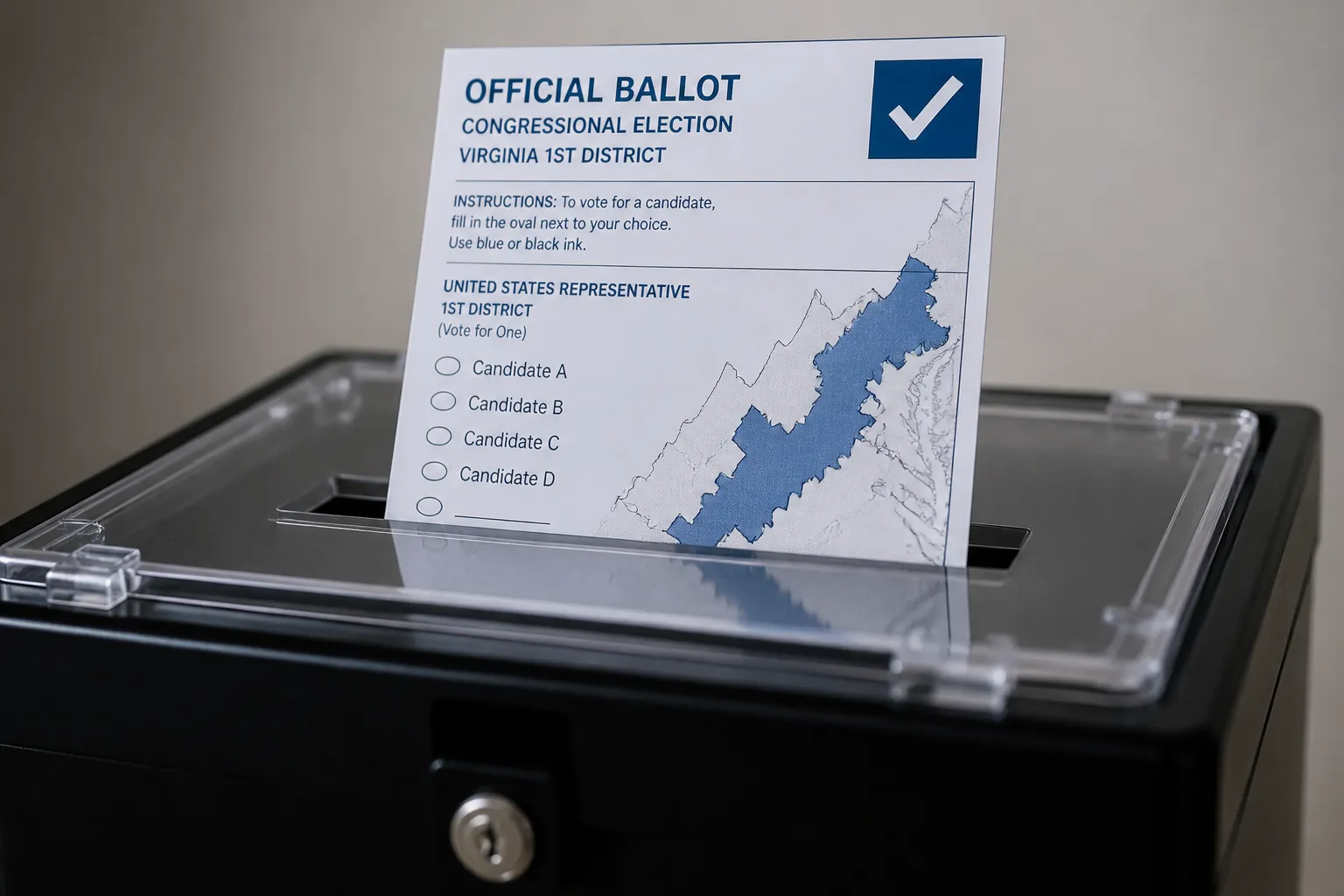
Shannon Taylor, the Henrico County Commonwealth’s Attorney, secured the Democratic nomination for Virginia’s 1st Congressional District in the August 4, 2026 primary. The district, which has been represented by Republican Rob Wittman since 2007, is now set for a contest that will test voters’ views on law‑and‑order and criminal‑justice reform.
Taylor has served as Henrico County’s chief prosecutor since 2012, a position she won in a 2011 election and has been re‑elected to in 2015, 2019, and 2023. Her tenure has been marked by a record of prosecuting violent criminals, drug traffickers, and abusers. According to her campaign website, she has taken on thousands of cases and has been endorsed by 13 sheriffs for her focus on public safety.
However, Taylor’s record also includes actions that have drawn criticism from some law‑enforcement circles. The source notes that in 2012 she dismissed seven experienced prosecutors and announced a restructuring of the office to better reflect the county’s demographic diversity. The decision was described as controversial and sparked debate about the balance between professional competence and identity representation.
In 2015, Taylor attempted to appoint Misty Whitehead, a local attorney known for her social‑media criticism of police practices, as a police‑oversight prosecutor. The appointment led to a public standoff with Henrico County Manager John Vithoulkas, who refused to allocate county funds for Whitehead’s salary. Taylor defended the appointment, citing Whitehead’s “thoughtful analysis” of societal issues.
Taylor’s progressive stance extended beyond Henrico. In 2019 she endorsed Steve Descano, the Fairfax County Commonwealth’s Attorney, who is known for a reform agenda that emphasizes diversion programs and reduced reliance on incarceration. The endorsement was part of a broader movement among prosecutors to shift the role of the office from punitive enforcement to restorative justice.
The source also reports that the Fairfax County office’s handling of Abdul Jalloh, an illegal immigrant with a history of violent offenses, led to a fatal stabbing in a suburban bus stop. Descano’s office had repeatedly dismissed or reduced charges against Jalloh, allowing him to remain free. The incident prompted a congressional hearing in which Representative Brad Knott criticized the office for releasing dangerous individuals.
In 2021, Taylor, Descano, and more than 100 other reform‑oriented prosecutors signed a letter to the Biden administration. The letter outlined 21 principles for a modern prosecutor, calling for the elimination of mandatory minimums, the abolition of three‑strikes laws, and a shift away from dehumanizing terminology in court. The document also urged consideration of defendants’ immigration status during plea negotiations.
Taylor’s campaign for Congress has framed her as a pragmatic law‑and‑order candidate who also supports systemic reform. She has highlighted her experience prosecuting violent crime while acknowledging her involvement in progressive initiatives. The Republican National Committee has responded with a campaign that labels Taylor a “DEI queen,” suggesting that her focus on diversity, equity, and inclusion outweighs concerns about public safety.
Rob Wittman, the incumbent, has emphasized his record on national defense, economic growth, and accountability. He has criticized Taylor’s past decisions, particularly the dismissal of prosecutors and the appointment of Whitehead, as evidence of a “woke” approach that could undermine law enforcement.
The primary results place Taylor in a strong position to face Wittman in the November 3, 2026 general election. The race is seen as a microcosm of the national debate over criminal‑justice reform versus traditional law‑and‑order politics. Voters in the district will decide whether they prefer a candidate with a long prosecutorial record that includes both aggressive crime‑fighting and progressive reforms.
The next steps for Taylor’s campaign include building a broader coalition of voters across the district, addressing concerns about her past decisions, and articulating a clear plan for balancing public safety with criminal‑justice reform. Wittman’s campaign will likely continue to focus on his experience and critique Taylor’s record. The outcome of the November election will determine whether the district’s representation shifts toward a new approach to law enforcement and justice.
The race remains a focal point for observers of Virginia politics, as it reflects broader national trends in how communities evaluate the role of prosecutors and the balance between safety and reform.
Taylor has served as Henrico County’s chief prosecutor since 2012, a position she won in a 2011 election and has been re‑elected to in 2015, 2019, and 2023. Her tenure has been marked by a record of prosecuting violent criminals, drug traffickers, and abusers. According to her campaign website, she has taken on thousands of cases and has been endorsed by 13 sheriffs for her focus on public safety.
However, Taylor’s record also includes actions that have drawn criticism from some law‑enforcement circles. The source notes that in 2012 she dismissed seven experienced prosecutors and announced a restructuring of the office to better reflect the county’s demographic diversity. The decision was described as controversial and sparked debate about the balance between professional competence and identity representation.
In 2015, Taylor attempted to appoint Misty Whitehead, a local attorney known for her social‑media criticism of police practices, as a police‑oversight prosecutor. The appointment led to a public standoff with Henrico County Manager John Vithoulkas, who refused to allocate county funds for Whitehead’s salary. Taylor defended the appointment, citing Whitehead’s “thoughtful analysis” of societal issues.
Taylor’s progressive stance extended beyond Henrico. In 2019 she endorsed Steve Descano, the Fairfax County Commonwealth’s Attorney, who is known for a reform agenda that emphasizes diversion programs and reduced reliance on incarceration. The endorsement was part of a broader movement among prosecutors to shift the role of the office from punitive enforcement to restorative justice.
The source also reports that the Fairfax County office’s handling of Abdul Jalloh, an illegal immigrant with a history of violent offenses, led to a fatal stabbing in a suburban bus stop. Descano’s office had repeatedly dismissed or reduced charges against Jalloh, allowing him to remain free. The incident prompted a congressional hearing in which Representative Brad Knott criticized the office for releasing dangerous individuals.
In 2021, Taylor, Descano, and more than 100 other reform‑oriented prosecutors signed a letter to the Biden administration. The letter outlined 21 principles for a modern prosecutor, calling for the elimination of mandatory minimums, the abolition of three‑strikes laws, and a shift away from dehumanizing terminology in court. The document also urged consideration of defendants’ immigration status during plea negotiations.
Taylor’s campaign for Congress has framed her as a pragmatic law‑and‑order candidate who also supports systemic reform. She has highlighted her experience prosecuting violent crime while acknowledging her involvement in progressive initiatives. The Republican National Committee has responded with a campaign that labels Taylor a “DEI queen,” suggesting that her focus on diversity, equity, and inclusion outweighs concerns about public safety.
Rob Wittman, the incumbent, has emphasized his record on national defense, economic growth, and accountability. He has criticized Taylor’s past decisions, particularly the dismissal of prosecutors and the appointment of Whitehead, as evidence of a “woke” approach that could undermine law enforcement.
The primary results place Taylor in a strong position to face Wittman in the November 3, 2026 general election. The race is seen as a microcosm of the national debate over criminal‑justice reform versus traditional law‑and‑order politics. Voters in the district will decide whether they prefer a candidate with a long prosecutorial record that includes both aggressive crime‑fighting and progressive reforms.
The next steps for Taylor’s campaign include building a broader coalition of voters across the district, addressing concerns about her past decisions, and articulating a clear plan for balancing public safety with criminal‑justice reform. Wittman’s campaign will likely continue to focus on his experience and critique Taylor’s record. The outcome of the November election will determine whether the district’s representation shifts toward a new approach to law enforcement and justice.
The race remains a focal point for observers of Virginia politics, as it reflects broader national trends in how communities evaluate the role of prosecutors and the balance between safety and reform.