Blab Politics
Nigel Farages Dubai Speech Signals Deepening Ties Between Reform UK and the UAE
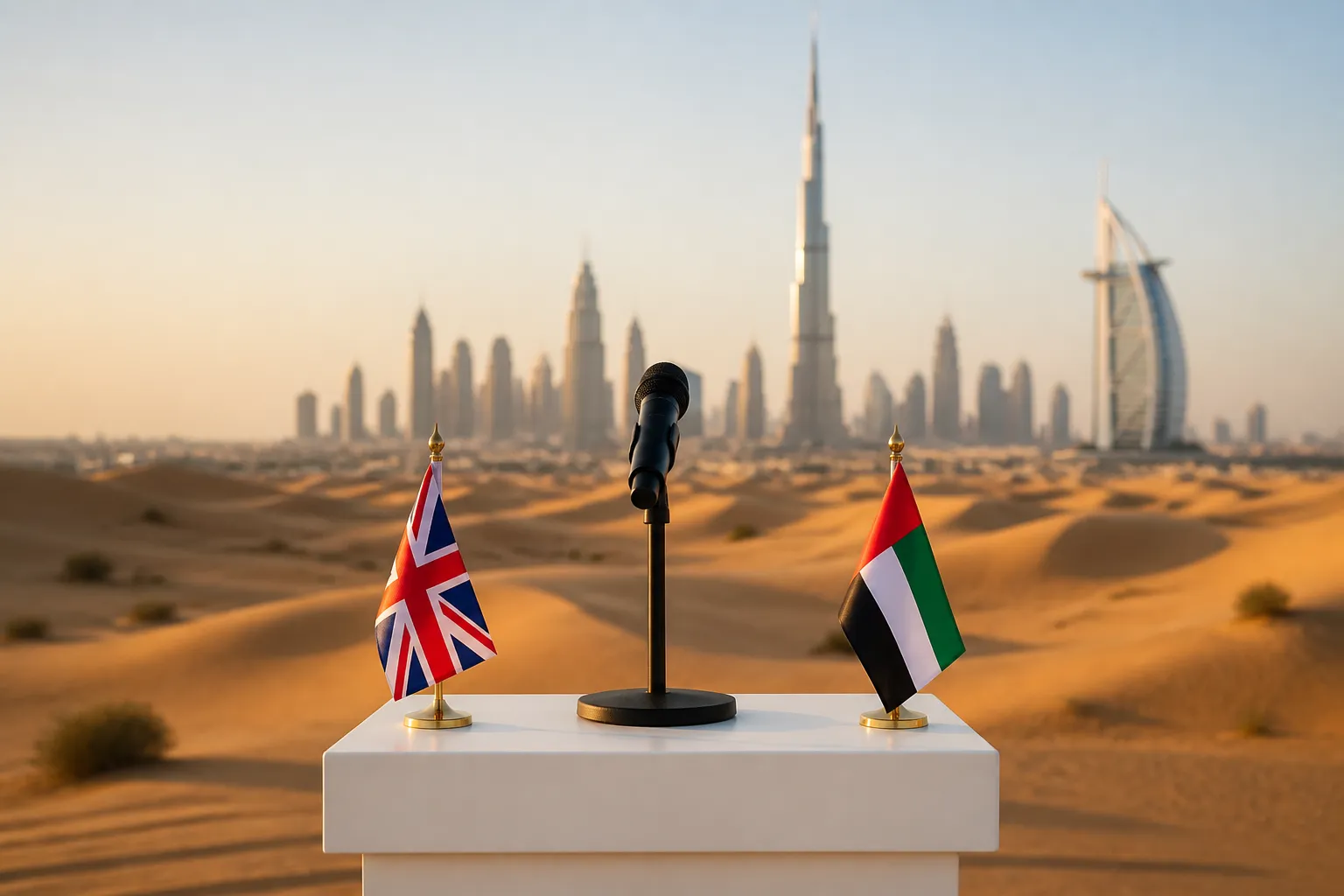
On 28 January 2026, Nigel Farage, the leader of the UK’s Reform UK party, stepped onto the Ritz‑Carlton’s Dubai rooftop for a private keynote address hosted by GB News. The gathering, capped by a glass‑eyed skyline, drew about 80 guests, including Reform stalwart Laila Cunningham, former Conservative Chancellor Nadhim Zahawi, and UAE minister Sultan Ahmed al‑Jaber. In his remarks, Farage lauded the emirate’s rapid development and urged Britain to emulate its immigration model.
The speech marked a dramatic pivot from Farage’s own words last year. In a December 2023 column in The Telegraph, he had branded the UAE an “absolute monarchy with an abysmal human‑rights record” and warned that a UAE‑backed bid to purchase the newspaper would be thwarted. Now, at the Dubai party, he praised the country’s ban on the Muslim Brotherhood and called for a similar prohibition in Britain.
Reform UK’s engagement with the Gulf state has been simmering for months. The party has sought funds from wealthy donors in low‑tax havens such as Monaco, Switzerland, and the UAE. In April 2025, reports surfaced that Reform was actively courting foreign donors in those jurisdictions. By December 2024, the UAE had paid for a trip that Farage took to Abu Dhabi, where he met senior officials and discussed the party’s future.
Key Reform figures have long maintained UAE ties. Deputy leader Richard Tice, a frequent visitor to the emirate, raised the issue of eight British companies proscribed as terrorist organisations by the UAE in January 2025—a move that drew criticism from Human Rights Watch. Tice’s grandfather, Bernard Sunley, built the Dubai World Trade Centre in the 1970s, and Tice has spoken publicly about potential joint listings between the London Stock Exchange and Dubai’s financial hub.
Trevor “Nick” Candy, Reform’s treasurer, had been traveling to the UAE every other week as of April 2025. The Financial Times reported that Candy arranged Farage’s meetings with Emirati officials in Abu Dhabi in December. Nadhim Zahawi, who defected from the Conservatives in January 2026, is chairman of an advisory board at Omniyat, a Dubai‑based property developer, and has been involved in the UAE’s failed bid to purchase the Telegraph.
Legatum, a Dubai‑based private‑equity firm that co‑owns GB News, has funded the channel and a think‑tank called Prosperity Institute, whose advisory board includes James Orr, a senior adviser to Farage. Legatum’s owner, Christopher Chandler, attended the Dubai party.
The UAE’s interest in Reform appears strategic. The emirate’s foreign minister met with Farage in London in May 2025 after a visit to the UAE, discussing regional developments and the impact of Iranian attacks on the Gulf state. Analysts say the UAE views Farage as a potential conduit to influence American and European networks—an avenue it cannot pursue directly.
Reform’s policy agenda also aligns with the UAE’s anti‑Islamist narrative. In September 2025, the party pledged to ban the Muslim Brotherhood, citing the UAE’s own ban on the group. The UAE has long used the Brotherhood as a catch‑all label to justify crackdowns on dissent. Human Rights Watch has documented labour abuses and the suppression of trade unions in the UAE, and it has criticised the country’s kafala system.
The relationship has drawn criticism from rights groups. Joey Shea of Human Rights Watch told Middle East Eye that the UAE’s proscription of British companies was based on alleged links to the Brotherhood, a claim she said was unfounded. She also highlighted forced labour and health and safety concerns in UAE workplaces.
Farage’s own political fortunes remain uncertain. He resigned as MP for Clacton in July 2026 amid an investigation by the Parliamentary Commissioner for Standards over undeclared gifts, including a £5 million donation. A by‑election has been triggered, and he intends to stand again.
The UAE has not issued a formal response to the Dubai event. Reform UK has not released a statement. The situation remains fluid, with no clear resolution on the future of the UK‑UAE relationship or on the political implications of Farage’s recent endorsement of the emirate’s policies.
The unfolding dynamics illustrate how a UK right‑wing party has cultivated ties with a Gulf state that shares a common stance on immigration and anti‑Islamist rhetoric. Whether the relationship will influence future UK policy or remain a symbolic alliance is yet to be seen.
The speech marked a dramatic pivot from Farage’s own words last year. In a December 2023 column in The Telegraph, he had branded the UAE an “absolute monarchy with an abysmal human‑rights record” and warned that a UAE‑backed bid to purchase the newspaper would be thwarted. Now, at the Dubai party, he praised the country’s ban on the Muslim Brotherhood and called for a similar prohibition in Britain.
Reform UK’s engagement with the Gulf state has been simmering for months. The party has sought funds from wealthy donors in low‑tax havens such as Monaco, Switzerland, and the UAE. In April 2025, reports surfaced that Reform was actively courting foreign donors in those jurisdictions. By December 2024, the UAE had paid for a trip that Farage took to Abu Dhabi, where he met senior officials and discussed the party’s future.
Key Reform figures have long maintained UAE ties. Deputy leader Richard Tice, a frequent visitor to the emirate, raised the issue of eight British companies proscribed as terrorist organisations by the UAE in January 2025—a move that drew criticism from Human Rights Watch. Tice’s grandfather, Bernard Sunley, built the Dubai World Trade Centre in the 1970s, and Tice has spoken publicly about potential joint listings between the London Stock Exchange and Dubai’s financial hub.
Trevor “Nick” Candy, Reform’s treasurer, had been traveling to the UAE every other week as of April 2025. The Financial Times reported that Candy arranged Farage’s meetings with Emirati officials in Abu Dhabi in December. Nadhim Zahawi, who defected from the Conservatives in January 2026, is chairman of an advisory board at Omniyat, a Dubai‑based property developer, and has been involved in the UAE’s failed bid to purchase the Telegraph.
Legatum, a Dubai‑based private‑equity firm that co‑owns GB News, has funded the channel and a think‑tank called Prosperity Institute, whose advisory board includes James Orr, a senior adviser to Farage. Legatum’s owner, Christopher Chandler, attended the Dubai party.
The UAE’s interest in Reform appears strategic. The emirate’s foreign minister met with Farage in London in May 2025 after a visit to the UAE, discussing regional developments and the impact of Iranian attacks on the Gulf state. Analysts say the UAE views Farage as a potential conduit to influence American and European networks—an avenue it cannot pursue directly.
Reform’s policy agenda also aligns with the UAE’s anti‑Islamist narrative. In September 2025, the party pledged to ban the Muslim Brotherhood, citing the UAE’s own ban on the group. The UAE has long used the Brotherhood as a catch‑all label to justify crackdowns on dissent. Human Rights Watch has documented labour abuses and the suppression of trade unions in the UAE, and it has criticised the country’s kafala system.
The relationship has drawn criticism from rights groups. Joey Shea of Human Rights Watch told Middle East Eye that the UAE’s proscription of British companies was based on alleged links to the Brotherhood, a claim she said was unfounded. She also highlighted forced labour and health and safety concerns in UAE workplaces.
Farage’s own political fortunes remain uncertain. He resigned as MP for Clacton in July 2026 amid an investigation by the Parliamentary Commissioner for Standards over undeclared gifts, including a £5 million donation. A by‑election has been triggered, and he intends to stand again.
The UAE has not issued a formal response to the Dubai event. Reform UK has not released a statement. The situation remains fluid, with no clear resolution on the future of the UK‑UAE relationship or on the political implications of Farage’s recent endorsement of the emirate’s policies.
The unfolding dynamics illustrate how a UK right‑wing party has cultivated ties with a Gulf state that shares a common stance on immigration and anti‑Islamist rhetoric. Whether the relationship will influence future UK policy or remain a symbolic alliance is yet to be seen.