Blab Politics
US Advisory Body Calls for Sanctions on RSS Ahead of Mohan Bhagwats U.S. Visit
As Mohan Bhagwat, the head of India’s Rashtriya Swayamsevak Sangh (RSS), prepares to arrive in New York for the Universal Oneness Celebrations organized by the American Hindus for Engagement and Dialogue (AHEAD) on August 29, the U.S. Commission on International Religious Freedom (USCIRF) has issued a sharp warning. In a post on its X account, the commission urged Washington to impose sanctions on the RSS and to deny its leaders diplomatic courtesies, framing Bhagwat’s visit as part of a broader pattern of violence against religious minorities.
Chair Asif Mahmood highlighted that Prime Minister Narendra Modi is a member of the RSS and described the organization as an umbrella body whose sub‑groups have carried out attacks on Christians and Muslims. He added that Bhagwat’s upcoming trip “cannot be separated from the RSS network’s violence against Muslims and Christians.” The statement followed the commission’s March 2026 annual report, which catalogued alleged violations of religious freedom in India and called for “targeted sanctions” against entities such as the RSS and the Research and Analysis Wing.
USCIRF Commissioner Gene Mills echoed the call, arguing that RSS leaders should not receive high‑level meetings or diplomatic courtesies even if they hold government positions. Mills said the U.S. should focus on “targeted sanctions” against RSS members found responsible for religious‑freedom violations. He made the remarks in the context of Bhagwat’s scheduled appearance at the AHEAD event, which seeks to promote “oneness” among the Indian‑American community.
India rebuffed the report, labeling it a “distorted and selective” portrayal that relies on “questionable sources and ideological narratives.” On March 16, External Affairs Ministry spokesman Randhir Jaiswal urged the USCIRF to consider incidents of vandalism and attacks on Hindu temples in the U.S. and the growing intolerance of Indian diaspora members. The Indian government has repeatedly warned that the commission’s findings undermine the country’s international standing.
Advocacy group Hindus for Human Rights posted a statement on X that mirrored USCIRF’s concerns. The group said, “A celebration of ‘oneness’ cannot conceal the politics of religious supremacy.” The comment arrived amid heightened scrutiny of the RSS’s activities during the 2025‑26 period, when the commission documented a rise in attacks on minority places of worship and forced conversions.
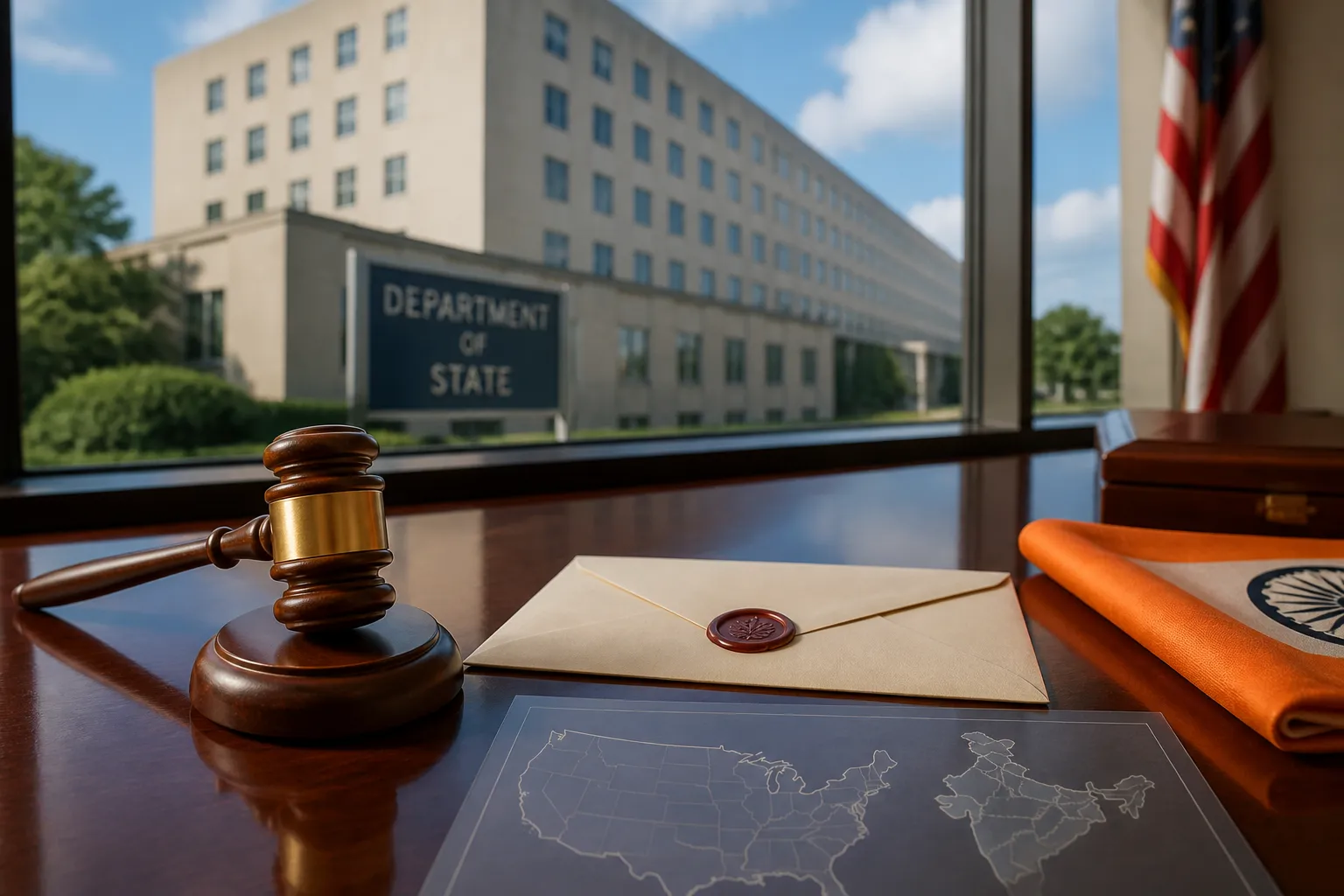
Although the USCIRF’s recommendations are advisory, the U.S. Treasury Department has the authority to sanction foreign individuals and entities that violate U.S. laws or pose a national‑security threat. If sanctions were imposed, they could restrict the RSS’s access to U.S. financial systems and limit the organization’s ability to raise funds abroad. The Treasury would need to assess the commission’s proposals before any action is taken.
The potential diplomatic fallout is significant. A move to sanction the RSS could strain U.S.–India relations, affecting trade, counter‑terrorism cooperation, and cultural exchanges. Indian officials have warned that such measures would damage the partnership and could lead to retaliatory actions in other policy areas.
At present, no executive action has been announced. The Treasury Department has not indicated whether it will consider the USCIRF’s recommendations, and no sanctions list has been updated to include RSS members. The Indian government has reiterated its rejection of the commission’s findings and called for a reassessment of the USCIRF’s methodology.
Key next steps include the Treasury’s assessment of the sanctions proposals, possible congressional hearings on religious freedom in India, and the outcome of Bhagwat’s visit. The USCIRF’s call for sanctions and India’s rebuttal underscore a broader debate over how U.S. policy should address religious‑freedom concerns in a major partner country.
Chair Asif Mahmood highlighted that Prime Minister Narendra Modi is a member of the RSS and described the organization as an umbrella body whose sub‑groups have carried out attacks on Christians and Muslims. He added that Bhagwat’s upcoming trip “cannot be separated from the RSS network’s violence against Muslims and Christians.” The statement followed the commission’s March 2026 annual report, which catalogued alleged violations of religious freedom in India and called for “targeted sanctions” against entities such as the RSS and the Research and Analysis Wing.
USCIRF Commissioner Gene Mills echoed the call, arguing that RSS leaders should not receive high‑level meetings or diplomatic courtesies even if they hold government positions. Mills said the U.S. should focus on “targeted sanctions” against RSS members found responsible for religious‑freedom violations. He made the remarks in the context of Bhagwat’s scheduled appearance at the AHEAD event, which seeks to promote “oneness” among the Indian‑American community.
India rebuffed the report, labeling it a “distorted and selective” portrayal that relies on “questionable sources and ideological narratives.” On March 16, External Affairs Ministry spokesman Randhir Jaiswal urged the USCIRF to consider incidents of vandalism and attacks on Hindu temples in the U.S. and the growing intolerance of Indian diaspora members. The Indian government has repeatedly warned that the commission’s findings undermine the country’s international standing.
Advocacy group Hindus for Human Rights posted a statement on X that mirrored USCIRF’s concerns. The group said, “A celebration of ‘oneness’ cannot conceal the politics of religious supremacy.” The comment arrived amid heightened scrutiny of the RSS’s activities during the 2025‑26 period, when the commission documented a rise in attacks on minority places of worship and forced conversions.
Although the USCIRF’s recommendations are advisory, the U.S. Treasury Department has the authority to sanction foreign individuals and entities that violate U.S. laws or pose a national‑security threat. If sanctions were imposed, they could restrict the RSS’s access to U.S. financial systems and limit the organization’s ability to raise funds abroad. The Treasury would need to assess the commission’s proposals before any action is taken.
The potential diplomatic fallout is significant. A move to sanction the RSS could strain U.S.–India relations, affecting trade, counter‑terrorism cooperation, and cultural exchanges. Indian officials have warned that such measures would damage the partnership and could lead to retaliatory actions in other policy areas.
At present, no executive action has been announced. The Treasury Department has not indicated whether it will consider the USCIRF’s recommendations, and no sanctions list has been updated to include RSS members. The Indian government has reiterated its rejection of the commission’s findings and called for a reassessment of the USCIRF’s methodology.
Key next steps include the Treasury’s assessment of the sanctions proposals, possible congressional hearings on religious freedom in India, and the outcome of Bhagwat’s visit. The USCIRF’s call for sanctions and India’s rebuttal underscore a broader debate over how U.S. policy should address religious‑freedom concerns in a major partner country.