Blab Politics
Israel-Palestine Peace Process: Former US Diplomat Says Two-State Solution Is Still the Only Viable Option
In a comprehensive new assessment released today, a former U.S. Foreign Service officer who retired in 2006 argues that the two‑state solution remains the only realistic path forward for Israel and the Palestinians. The analysis traces U.S. engagement from the 1991 Madrid Conference to the 1993 Oslo Accords and evaluates the current political dynamics in Washington, Israel, and the Palestinian territories.
The Madrid Conference, held in October–November 1991, marked the first major international attempt to revive the peace process. By bringing Israel, the Palestinians, and several Arab states to the negotiating table, it set the stage for the 1993 Oslo Accords, which established the Palestinian Authority and outlined a framework for future negotiations. The initial optimism that followed has since been eroded by settlement expansion, security incidents, and a lack of sustained diplomatic momentum.
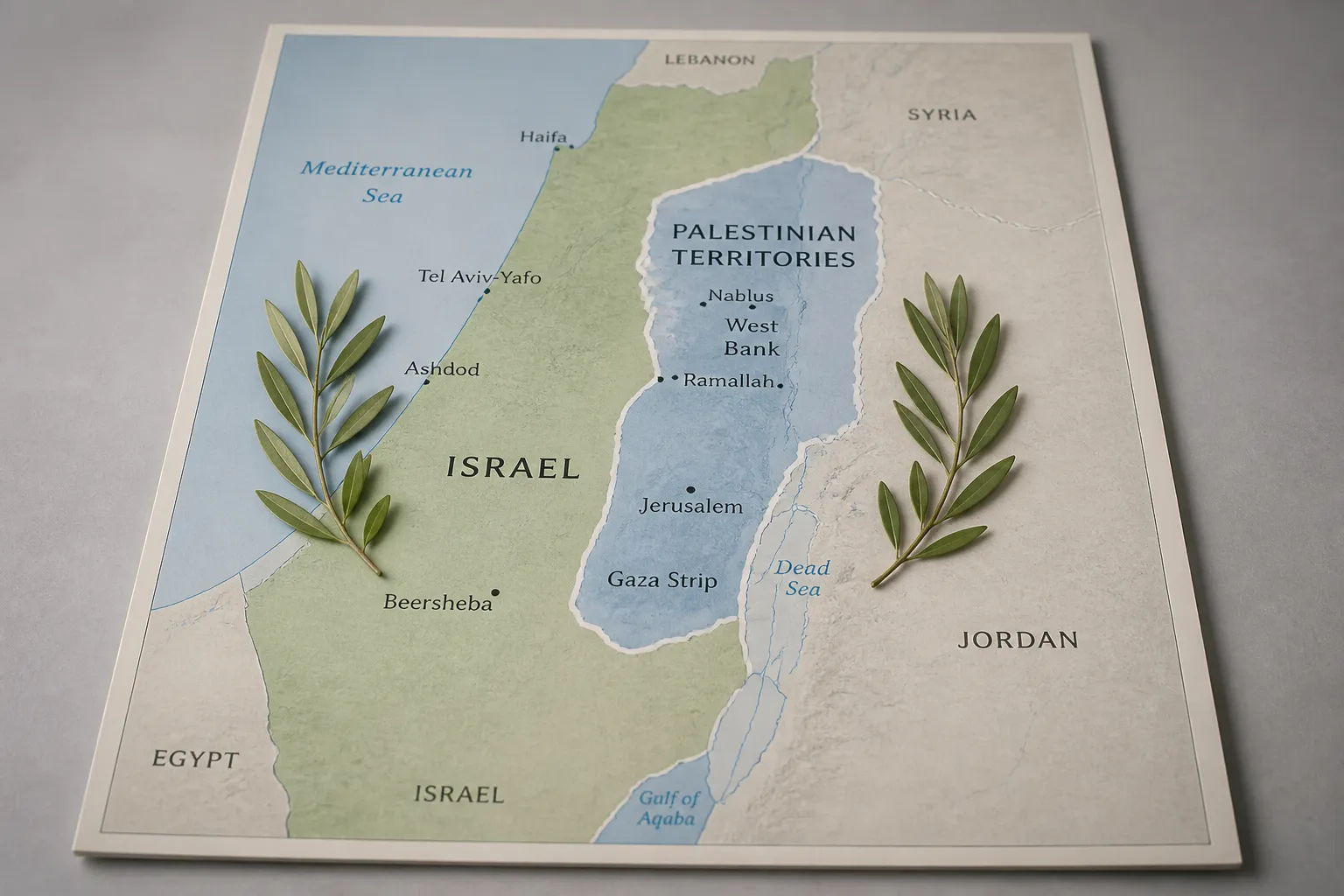
Since 2009, Israeli governments have prioritized maintaining the occupation, expanding settlements, and moving toward annexation of the West Bank. Coupled with a perceived lack of genuine U.S. commitment, these actions have shifted the balance of the conflict. The author contends that U.S. administrations have offered lip service to the peace process without pursuing the hard diplomacy needed to break the stalemate, resulting in a status quo that is neither static nor viable.
The analysis also highlights the political vacuum in the Palestinian territories. The last presidential election was held in 2005 and the last legislative election in 2006, leaving Palestinians without the opportunity to elect leaders capable of negotiating a new framework. In contrast, Israel is scheduled to hold elections later this year, and the author stresses that Israeli voters must decide whether they are willing to support leaders who could pursue a two‑state solution.
A key part of the argument is the need for both sides to abandon narratives of victimhood. The author describes a student exercise at Princeton University, where pro‑BDS and pro‑Israel students collaborated on a course about the conflict. Their discussions moved beyond partisan positions to focus on practical steps—halting settlement activity, ending violence, and addressing security concerns—demonstrating that constructive dialogue is possible if both parties are willing to engage.
The author concludes that, despite the challenges, the two‑state solution remains the only viable outcome. The analysis calls for renewed U.S. leadership, Israeli political will, and Palestinian governance capable of negotiating a final status agreement. Without these elements, the conflict will likely continue to deteriorate.
The article serves as a reminder that the Israeli‑Palestinian peace process has not ended but has become more complex. It urges a realistic appraisal of the political realities on the ground and a renewed commitment from all parties to pursue a negotiated settlement.
The Madrid Conference, held in October–November 1991, marked the first major international attempt to revive the peace process. By bringing Israel, the Palestinians, and several Arab states to the negotiating table, it set the stage for the 1993 Oslo Accords, which established the Palestinian Authority and outlined a framework for future negotiations. The initial optimism that followed has since been eroded by settlement expansion, security incidents, and a lack of sustained diplomatic momentum.
Since 2009, Israeli governments have prioritized maintaining the occupation, expanding settlements, and moving toward annexation of the West Bank. Coupled with a perceived lack of genuine U.S. commitment, these actions have shifted the balance of the conflict. The author contends that U.S. administrations have offered lip service to the peace process without pursuing the hard diplomacy needed to break the stalemate, resulting in a status quo that is neither static nor viable.
The analysis also highlights the political vacuum in the Palestinian territories. The last presidential election was held in 2005 and the last legislative election in 2006, leaving Palestinians without the opportunity to elect leaders capable of negotiating a new framework. In contrast, Israel is scheduled to hold elections later this year, and the author stresses that Israeli voters must decide whether they are willing to support leaders who could pursue a two‑state solution.
A key part of the argument is the need for both sides to abandon narratives of victimhood. The author describes a student exercise at Princeton University, where pro‑BDS and pro‑Israel students collaborated on a course about the conflict. Their discussions moved beyond partisan positions to focus on practical steps—halting settlement activity, ending violence, and addressing security concerns—demonstrating that constructive dialogue is possible if both parties are willing to engage.
The author concludes that, despite the challenges, the two‑state solution remains the only viable outcome. The analysis calls for renewed U.S. leadership, Israeli political will, and Palestinian governance capable of negotiating a final status agreement. Without these elements, the conflict will likely continue to deteriorate.
The article serves as a reminder that the Israeli‑Palestinian peace process has not ended but has become more complex. It urges a realistic appraisal of the political realities on the ground and a renewed commitment from all parties to pursue a negotiated settlement.