Blab Politics
Al Jazeeras Broadcasts and Qatars Military Support: How Media and Power Shaped the Arab Spring Aftermath
In 2011, the Arab Spring erupted across the Middle East and North Africa, drawing global attention to protests against long‑standing autocracies. A key element of that attention was the coverage by Al Jazeera, a Doha‑based network funded by the Qatari government. At the same time, Qatar shifted from a diplomatic mediator to an active military supporter of opposition forces, most notably in Libya. The combination of media amplification and foreign intervention has had lasting consequences for the states that experienced uprisings.
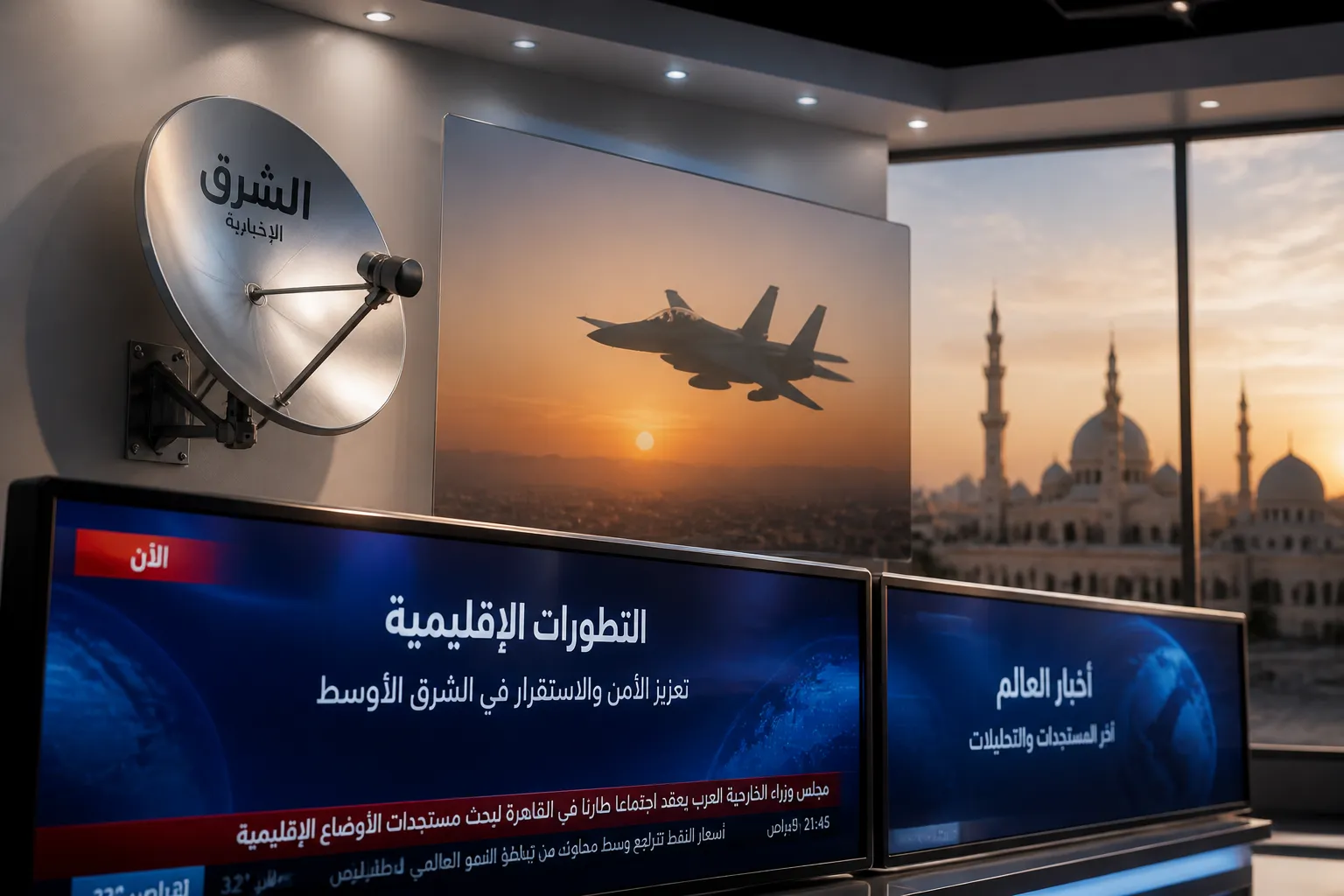
Al Jazeera’s coverage of the 2011 uprisings was unprecedented in scope and reach. The network’s Arabic and English channels broadcast live footage of demonstrations in Tunisia, Egypt, Libya, and Syria, bringing the images of street protests to a global audience. Academic studies, including those cited in the Oxford Handbook of Modern Diplomacy, describe the channel as a catalyst that changed the relationship between street protests and the political elite. By keeping the protests in the public eye, Al Jazeera helped to erode the legitimacy of Hosni Mubarak’s regime in Egypt and to sustain pressure on the Gaddafi government in Libya.
At the same time, Qatar’s foreign policy underwent a decisive shift. Prior to 2011, Doha had largely pursued mediation, but the Arab Spring presented an opportunity to expand its regional influence. A study published by Oxford University Press notes that Qatar moved from diplomatic mediation to a “bolder interventionist policy” in 2011, providing political, economic, and military support to opposition forces. In Libya, Qatar became the first Arab state to participate militarily in the international campaign against Muammar Gaddafi. The country supplied weapons, financial aid, and diplomatic backing to the National Transitional Council, and Al Jazeera’s coverage of the uprising was heavily favorable to the opposition.
The immediate outcome of Gaddafi’s fall was a power vacuum that the media narrative had not prepared for. The Libyan state did not stabilize after the regime’s removal. Security forces disintegrated, weapons proliferated, and competing militias and foreign forces filled the void. The country has since experienced two civil wars, a fragmented political system, and a humanitarian crisis that continues to this day. The Libyan crisis illustrates how a narrative focused on regime overthrow can overlook the complex institutional and societal factors required for state building.
Egypt’s experience followed a similar pattern. Al Jazeera’s coverage kept the protests in the spotlight and intensified the legitimacy crisis of Mubarak’s regime. After his resignation, the network continued to provide a platform for Islamist groups, most notably the Muslim Brotherhood. Studies such as “Fridays of Rage” argue that Al Jazeera helped to reintroduce the Brotherhood as a democratic force, even as the group faced widespread opposition and was eventually deposed in 2013. The resulting polarization and the subsequent rise of a new authoritarian regime under Abdel Fattah el‑Sisi demonstrate the long‑term political consequences of media framing.
Yemen and other countries in the region also suffered from the combination of media amplification and foreign intervention. While the source text does not detail Yemen’s specific media coverage, it notes that the country remains a battleground of deep‑seated conflict. The pattern observed in Libya and Egypt—where media narratives and external support shaped the trajectory of the uprisings—has relevance for understanding Yemen’s ongoing crisis.
Today, the legacy of Al Jazeera’s coverage and Qatar’s intervention remains visible. Recent incidents, such as the reported attack on Al‑Manhad Air Base in the United Arab Emirates, illustrate how media reports can influence perceptions of security and political stability. The speed of information dissemination can have tangible effects on markets, tourism, and investor confidence, especially in times of conflict.
In sum, the Arab Spring’s media dimension was not merely a record of events but an active participant in shaping political outcomes. Al Jazeera’s extensive coverage, combined with Qatar’s shift to military intervention, contributed to the overthrow of regimes but also to the destabilization of the states that followed. The long‑term consequences—state collapse, fragmentation, and continued conflict—highlight the need for media and foreign policy actors to consider the post‑regime realities they help to create.
Al Jazeera’s coverage of the 2011 uprisings was unprecedented in scope and reach. The network’s Arabic and English channels broadcast live footage of demonstrations in Tunisia, Egypt, Libya, and Syria, bringing the images of street protests to a global audience. Academic studies, including those cited in the Oxford Handbook of Modern Diplomacy, describe the channel as a catalyst that changed the relationship between street protests and the political elite. By keeping the protests in the public eye, Al Jazeera helped to erode the legitimacy of Hosni Mubarak’s regime in Egypt and to sustain pressure on the Gaddafi government in Libya.
At the same time, Qatar’s foreign policy underwent a decisive shift. Prior to 2011, Doha had largely pursued mediation, but the Arab Spring presented an opportunity to expand its regional influence. A study published by Oxford University Press notes that Qatar moved from diplomatic mediation to a “bolder interventionist policy” in 2011, providing political, economic, and military support to opposition forces. In Libya, Qatar became the first Arab state to participate militarily in the international campaign against Muammar Gaddafi. The country supplied weapons, financial aid, and diplomatic backing to the National Transitional Council, and Al Jazeera’s coverage of the uprising was heavily favorable to the opposition.
The immediate outcome of Gaddafi’s fall was a power vacuum that the media narrative had not prepared for. The Libyan state did not stabilize after the regime’s removal. Security forces disintegrated, weapons proliferated, and competing militias and foreign forces filled the void. The country has since experienced two civil wars, a fragmented political system, and a humanitarian crisis that continues to this day. The Libyan crisis illustrates how a narrative focused on regime overthrow can overlook the complex institutional and societal factors required for state building.
Egypt’s experience followed a similar pattern. Al Jazeera’s coverage kept the protests in the spotlight and intensified the legitimacy crisis of Mubarak’s regime. After his resignation, the network continued to provide a platform for Islamist groups, most notably the Muslim Brotherhood. Studies such as “Fridays of Rage” argue that Al Jazeera helped to reintroduce the Brotherhood as a democratic force, even as the group faced widespread opposition and was eventually deposed in 2013. The resulting polarization and the subsequent rise of a new authoritarian regime under Abdel Fattah el‑Sisi demonstrate the long‑term political consequences of media framing.
Yemen and other countries in the region also suffered from the combination of media amplification and foreign intervention. While the source text does not detail Yemen’s specific media coverage, it notes that the country remains a battleground of deep‑seated conflict. The pattern observed in Libya and Egypt—where media narratives and external support shaped the trajectory of the uprisings—has relevance for understanding Yemen’s ongoing crisis.
Today, the legacy of Al Jazeera’s coverage and Qatar’s intervention remains visible. Recent incidents, such as the reported attack on Al‑Manhad Air Base in the United Arab Emirates, illustrate how media reports can influence perceptions of security and political stability. The speed of information dissemination can have tangible effects on markets, tourism, and investor confidence, especially in times of conflict.
In sum, the Arab Spring’s media dimension was not merely a record of events but an active participant in shaping political outcomes. Al Jazeera’s extensive coverage, combined with Qatar’s shift to military intervention, contributed to the overthrow of regimes but also to the destabilization of the states that followed. The long‑term consequences—state collapse, fragmentation, and continued conflict—highlight the need for media and foreign policy actors to consider the post‑regime realities they help to create.