Blab Politics
House Republicans Push Anti-Socialism Resolution and Supreme Court Cap Amid Midterm Campaigns
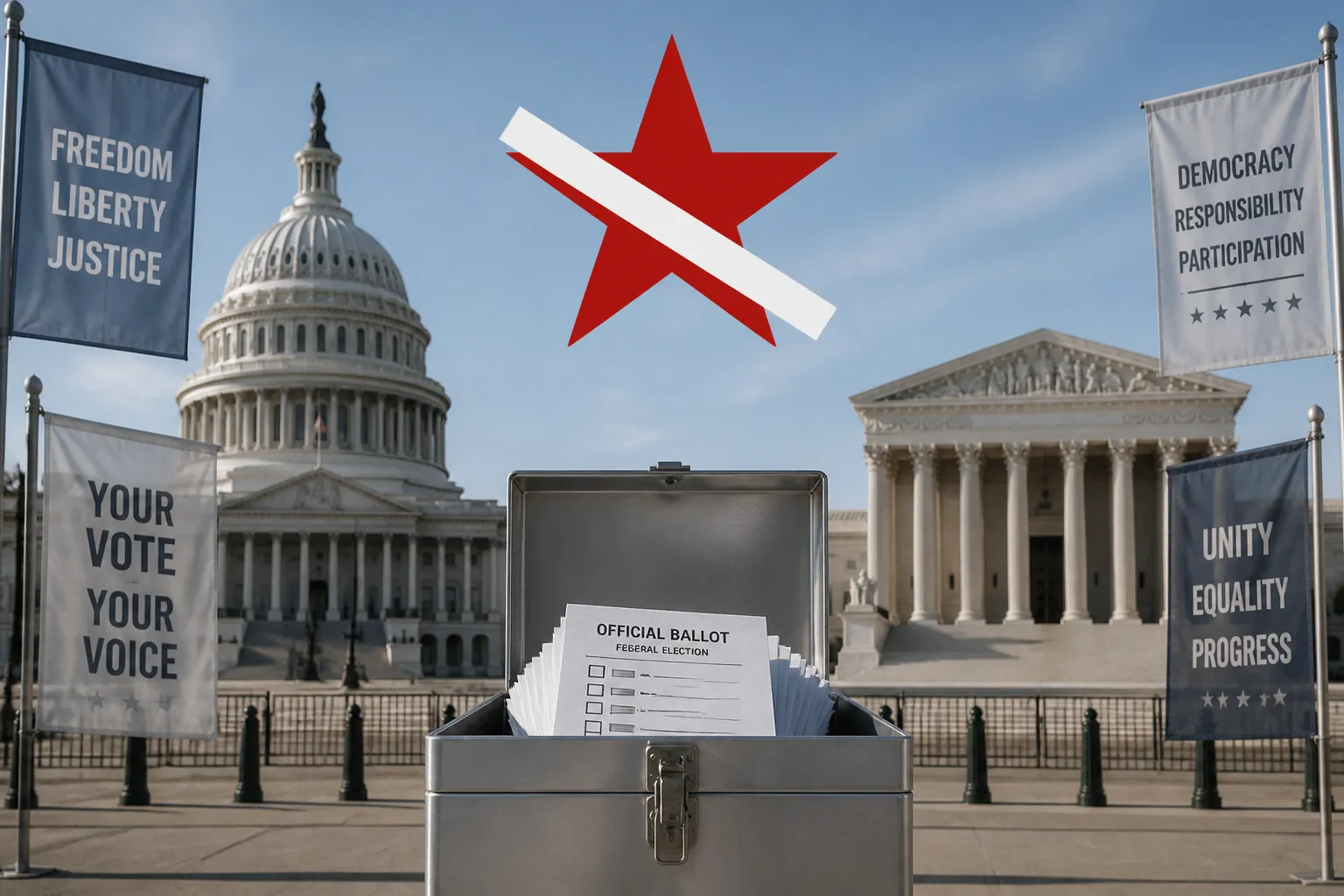
In a Monday session of the House Rules Committee, Republican members advanced a resolution that denounces socialism and references voter‑registration measures. The resolution was reported with a 285‑98 vote, and no Democrat voted to move it forward. The move came as part of a broader GOP strategy to force Democrats on record about their stance on what Republicans label as a growing socialist threat.
The resolution, titled House Concurrent Resolution 58, states that Congress “denounces socialism in all its forms and opposes the implementation of socialist policies in the United States.” It also praises election‑integrity provisions such as proof of citizenship, photo identification, and database checks, and calls for enforcement of the Safeguard American Voter Eligibility Act (SAVE Act). The SAVE Act would require documentary proof of U.S. citizenship for federal‑level voter registration.
House Minority Leader Hakeem Jeffries said the resolution’s voter‑rights language was “voter suppression legislation” and that the real goal was to “rig the midterm election.” He described the SAVE Act as a “Suppress the Vote Act.” Representative Mary‑Gay Scanlon, a Democrat from Pennsylvania, said the Republican approach was to “scare people with yet another boogeyman and not do anything about it.”
The resolution’s passage was framed by GOP leaders as a way to give every House member a clear, public position that could be used in campaign ads and town‑hall debates. Representative Lisa McClain, Republican Conference Chair, told Fox News Digital that the resolution would put Democrats on record about socialism and that the GOP wanted to “make every Democrat go on record.”
The Rules Committee session also featured a heated exchange between Representative Joe Neguse (Colorado) and Representative Bryan Steil (Wisconsin). Neguse asked Steil whether he would call a hypothetical Trump ownership stake in Kroger “socialist.” Steil declined to answer, saying he would need to see the details. The argument escalated, with Steil remarking that “some folks on your side of the aisle would like to have government‑run grocery stores. I think that’s nuts.” The exchange was interrupted by Committee Chairwoman Virginia Foxx.
The resolution is part of a larger GOP agenda that includes a proposed constitutional amendment to cap the Supreme Court at nine justices. The amendment was scheduled for a floor vote on Wednesday under a suspension of the rules, which requires a two‑thirds majority. The amendment is expected to fail because it would need bipartisan support. However, Republicans view the vote as an opportunity to force Democrats to take a position on court packing, a topic that has become a flashpoint in the current political climate.
Several prominent Democrats, including former Vice President Kamala Harris and Senators Elizabeth Warren and Ed Markey, have endorsed adding seats to the Court, with some suggesting up to thirteen justices. The amendment’s proponents argue that a larger Court would balance the conservative supermajority, while opponents claim it would undermine the Court’s legitimacy.
The anti‑socialism resolution and the Supreme Court cap amendment both reflect a GOP strategy to frame the political debate around identity and ideology rather than specific policy solutions. According to reports, the resolutions were fast‑tracked through the Rules Committee to give the GOP a narrative advantage in the upcoming midterm elections.
The resolutions do not contain any enforceable provisions. The anti‑socialism resolution is a non‑binding statement, and the Supreme Court cap amendment would require a constitutional amendment process that is unlikely to succeed. The resolutions are therefore primarily symbolic, designed to shape public perception and to give lawmakers a record that can be cited in campaign messaging.
The current situation is that the House has advanced the anti‑socialism resolution, and the Supreme Court cap amendment is set to be voted on Wednesday. The resolutions are expected to be used by GOP leaders in campaign communications, but they are unlikely to result in immediate policy changes. The next steps will involve floor debates, potential amendments, and the eventual vote on the Supreme Court cap amendment. The resolutions remain a point of contention between the parties, with Democrats criticizing them as distractions from issues such as inflation, healthcare, and economic opportunity.
The resolutions also highlight the broader partisan divide over voting‑rights legislation. The SAVE Act, which the GOP supports, has been criticized by Democrats as a voter‑suppression measure. The debate over the resolution’s voter‑rights language reflects ongoing disagreements about the balance between election security and voter access.
In summary, the House’s recent actions on the anti‑socialism resolution and the Supreme Court cap amendment illustrate a GOP strategy to frame the political narrative around ideological labels and institutional integrity, while Democrats view the measures as symbolic distractions from substantive policy concerns.
The resolution, titled House Concurrent Resolution 58, states that Congress “denounces socialism in all its forms and opposes the implementation of socialist policies in the United States.” It also praises election‑integrity provisions such as proof of citizenship, photo identification, and database checks, and calls for enforcement of the Safeguard American Voter Eligibility Act (SAVE Act). The SAVE Act would require documentary proof of U.S. citizenship for federal‑level voter registration.
House Minority Leader Hakeem Jeffries said the resolution’s voter‑rights language was “voter suppression legislation” and that the real goal was to “rig the midterm election.” He described the SAVE Act as a “Suppress the Vote Act.” Representative Mary‑Gay Scanlon, a Democrat from Pennsylvania, said the Republican approach was to “scare people with yet another boogeyman and not do anything about it.”
The resolution’s passage was framed by GOP leaders as a way to give every House member a clear, public position that could be used in campaign ads and town‑hall debates. Representative Lisa McClain, Republican Conference Chair, told Fox News Digital that the resolution would put Democrats on record about socialism and that the GOP wanted to “make every Democrat go on record.”
The Rules Committee session also featured a heated exchange between Representative Joe Neguse (Colorado) and Representative Bryan Steil (Wisconsin). Neguse asked Steil whether he would call a hypothetical Trump ownership stake in Kroger “socialist.” Steil declined to answer, saying he would need to see the details. The argument escalated, with Steil remarking that “some folks on your side of the aisle would like to have government‑run grocery stores. I think that’s nuts.” The exchange was interrupted by Committee Chairwoman Virginia Foxx.
The resolution is part of a larger GOP agenda that includes a proposed constitutional amendment to cap the Supreme Court at nine justices. The amendment was scheduled for a floor vote on Wednesday under a suspension of the rules, which requires a two‑thirds majority. The amendment is expected to fail because it would need bipartisan support. However, Republicans view the vote as an opportunity to force Democrats to take a position on court packing, a topic that has become a flashpoint in the current political climate.
Several prominent Democrats, including former Vice President Kamala Harris and Senators Elizabeth Warren and Ed Markey, have endorsed adding seats to the Court, with some suggesting up to thirteen justices. The amendment’s proponents argue that a larger Court would balance the conservative supermajority, while opponents claim it would undermine the Court’s legitimacy.
The anti‑socialism resolution and the Supreme Court cap amendment both reflect a GOP strategy to frame the political debate around identity and ideology rather than specific policy solutions. According to reports, the resolutions were fast‑tracked through the Rules Committee to give the GOP a narrative advantage in the upcoming midterm elections.
The resolutions do not contain any enforceable provisions. The anti‑socialism resolution is a non‑binding statement, and the Supreme Court cap amendment would require a constitutional amendment process that is unlikely to succeed. The resolutions are therefore primarily symbolic, designed to shape public perception and to give lawmakers a record that can be cited in campaign messaging.
The current situation is that the House has advanced the anti‑socialism resolution, and the Supreme Court cap amendment is set to be voted on Wednesday. The resolutions are expected to be used by GOP leaders in campaign communications, but they are unlikely to result in immediate policy changes. The next steps will involve floor debates, potential amendments, and the eventual vote on the Supreme Court cap amendment. The resolutions remain a point of contention between the parties, with Democrats criticizing them as distractions from issues such as inflation, healthcare, and economic opportunity.
The resolutions also highlight the broader partisan divide over voting‑rights legislation. The SAVE Act, which the GOP supports, has been criticized by Democrats as a voter‑suppression measure. The debate over the resolution’s voter‑rights language reflects ongoing disagreements about the balance between election security and voter access.
In summary, the House’s recent actions on the anti‑socialism resolution and the Supreme Court cap amendment illustrate a GOP strategy to frame the political narrative around ideological labels and institutional integrity, while Democrats view the measures as symbolic distractions from substantive policy concerns.