Blab Politics
Kansas Primary Draws 650,000 Voters; Senate Race Heads to State Fair Debate
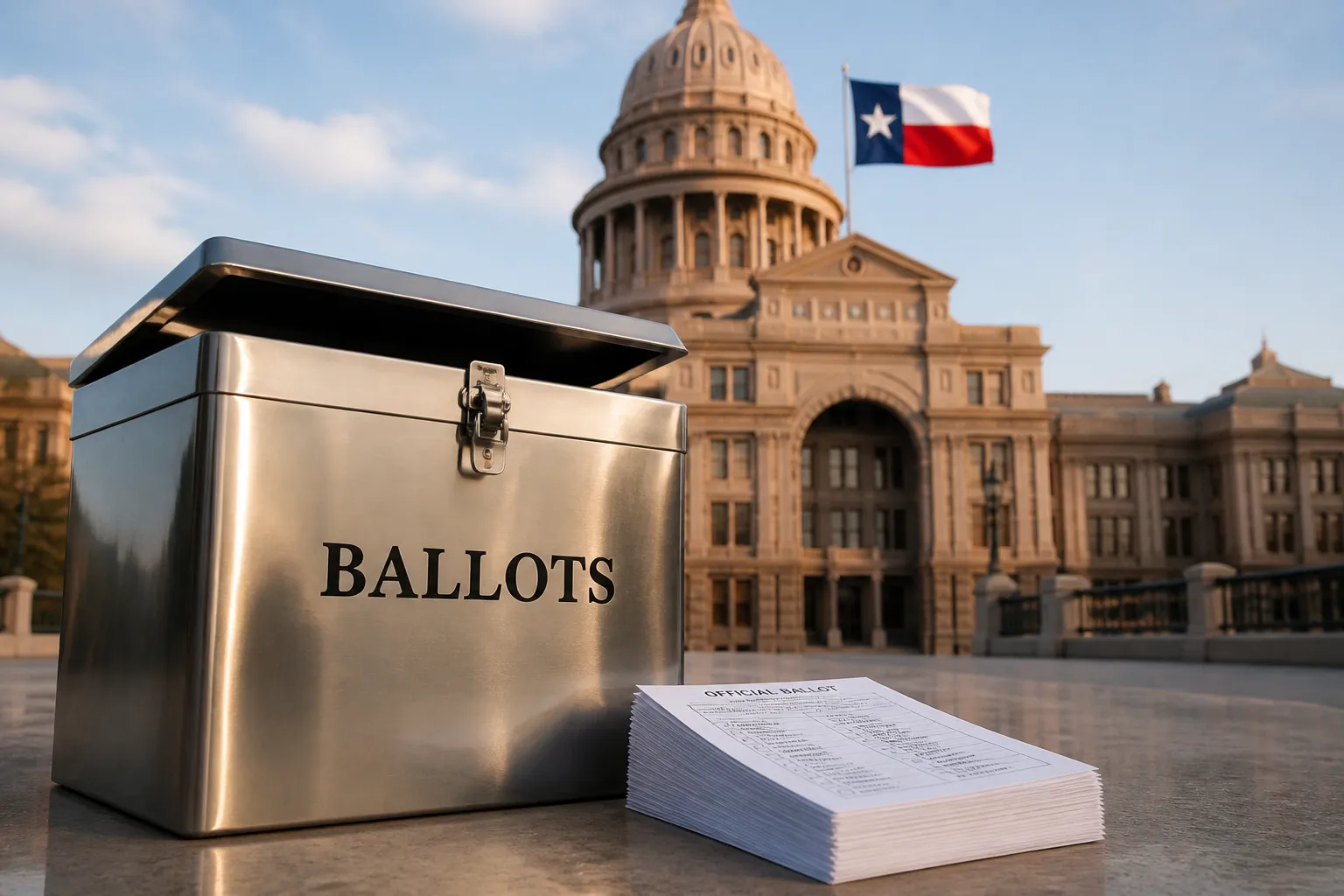
On August 4, Kansas voters surged to the polls in a turnout that, according to reports from KSNT, eclipsed any recent election in the state’s history. More than 650,000 ballots were cast, setting the stage for the November 3, 2026 general election and sending a clear signal that Kansas voters are eager to shape their political future.
The primary’s spotlight fell on the U.S. Senate race for the seat currently held by Republican Senator Roger Marshall. Marshall, who entered the Senate in 2021 after representing Kansas’s 1st congressional district, secured the Republican nomination with little resistance. Democratic nominee Adam Hamilton, a pastor from the Kansas City area, won the Democratic nomination with 34.9% of the vote in a field that also featured former USDA Rural Development director Christy Davis and Army veteran Noah Taylor.
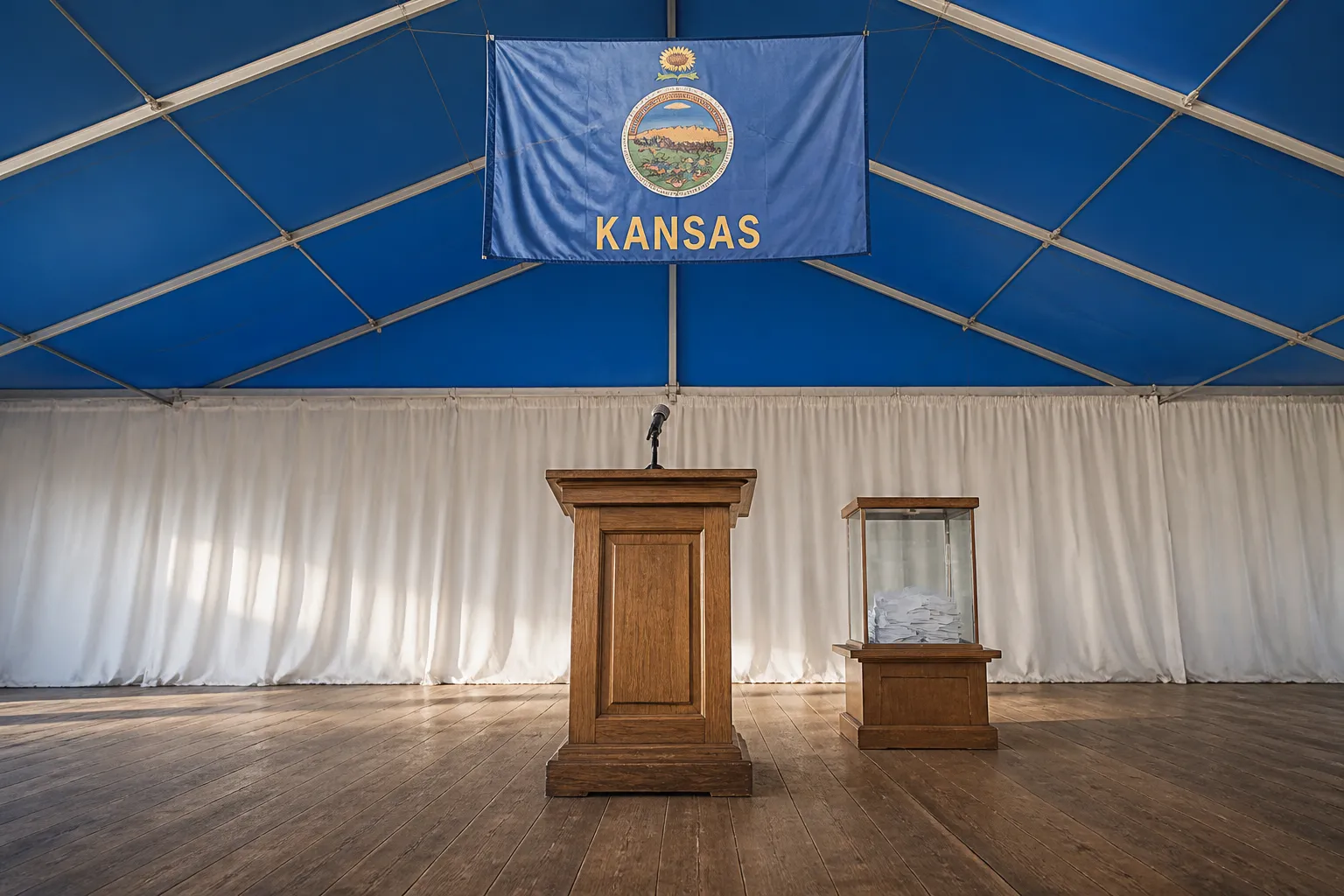
Both campaigns confirmed that the two candidates will face off in a televised debate at the Kansas State Fair in Hutchinson on September 2. The fair’s stage offers a neutral venue that reaches a broad audience of Kansans, and the debate is expected to tackle agriculture policy, trade, and federal spending—issues that lie at the heart of the state’s political conversation.
A separate legal battle remains unresolved. Court filings show that a lawsuit challenging a state election rule has been filed, but no ruling has yet been issued. The outcome could affect ballot access or voting procedures for the general election, and the case is currently pending before the courts.
In Washington, a federal farm bill fight has reached a standstill. According to congressional reports, billions of dollars in federal agriculture and food‑assistance funding are at stake. The bill’s fate will determine whether Kansas farmers continue to receive the same level of support that they have enjoyed in previous years. If the bill fails, the state could lose significant federal aid for crop insurance, disaster relief, and research programs.
Trade analysts have warned that a U.S.–Canada trade dispute could also weigh heavily on Kansas farmers. Analysts say that higher tariffs on agricultural products could reduce demand for Kansas crops in Canada, a major export market. The potential loss of market access could affect farm income and the state’s agricultural economy.
The Senate race, the state‑fair debate, the federal farm bill, and the trade dispute all converge on the same November election. Voters will decide whether Senator Marshall seeks a second term and whether the new farm bill and trade policies will shape Kansas’s future.
At this time, the primary results are certified, the debate is scheduled, and the court case remains pending. The campaigns are now focusing on voter outreach and preparing for the November ballot. The outcome of the farm bill and the trade dispute will be decided in the coming months, and their effects on Kansas voters will become clearer as the election approaches.
State election officials have not yet announced any changes to the November ballot. The Kansas Secretary of State’s office is monitoring the court case and will issue guidance if a ruling is made. Voters are encouraged to review the ballot and stay informed about the issues that will be decided on November 3.
In summary, Kansas voters saw a record turnout in the August primary, the Senate race has moved to a state‑fair debate, a federal farm bill fight is at a standstill, and a trade dispute with Canada could affect the state’s farmers. The unresolved court case and the pending federal decisions add uncertainty to the November election.
The primary’s spotlight fell on the U.S. Senate race for the seat currently held by Republican Senator Roger Marshall. Marshall, who entered the Senate in 2021 after representing Kansas’s 1st congressional district, secured the Republican nomination with little resistance. Democratic nominee Adam Hamilton, a pastor from the Kansas City area, won the Democratic nomination with 34.9% of the vote in a field that also featured former USDA Rural Development director Christy Davis and Army veteran Noah Taylor.
Both campaigns confirmed that the two candidates will face off in a televised debate at the Kansas State Fair in Hutchinson on September 2. The fair’s stage offers a neutral venue that reaches a broad audience of Kansans, and the debate is expected to tackle agriculture policy, trade, and federal spending—issues that lie at the heart of the state’s political conversation.
A separate legal battle remains unresolved. Court filings show that a lawsuit challenging a state election rule has been filed, but no ruling has yet been issued. The outcome could affect ballot access or voting procedures for the general election, and the case is currently pending before the courts.
In Washington, a federal farm bill fight has reached a standstill. According to congressional reports, billions of dollars in federal agriculture and food‑assistance funding are at stake. The bill’s fate will determine whether Kansas farmers continue to receive the same level of support that they have enjoyed in previous years. If the bill fails, the state could lose significant federal aid for crop insurance, disaster relief, and research programs.
Trade analysts have warned that a U.S.–Canada trade dispute could also weigh heavily on Kansas farmers. Analysts say that higher tariffs on agricultural products could reduce demand for Kansas crops in Canada, a major export market. The potential loss of market access could affect farm income and the state’s agricultural economy.
The Senate race, the state‑fair debate, the federal farm bill, and the trade dispute all converge on the same November election. Voters will decide whether Senator Marshall seeks a second term and whether the new farm bill and trade policies will shape Kansas’s future.
At this time, the primary results are certified, the debate is scheduled, and the court case remains pending. The campaigns are now focusing on voter outreach and preparing for the November ballot. The outcome of the farm bill and the trade dispute will be decided in the coming months, and their effects on Kansas voters will become clearer as the election approaches.
State election officials have not yet announced any changes to the November ballot. The Kansas Secretary of State’s office is monitoring the court case and will issue guidance if a ruling is made. Voters are encouraged to review the ballot and stay informed about the issues that will be decided on November 3.
In summary, Kansas voters saw a record turnout in the August primary, the Senate race has moved to a state‑fair debate, a federal farm bill fight is at a standstill, and a trade dispute with Canada could affect the state’s farmers. The unresolved court case and the pending federal decisions add uncertainty to the November election.