Blab Politics
Serbia Dissolves Parliament, Calls Early Elections Amid Year-Long Student Protests
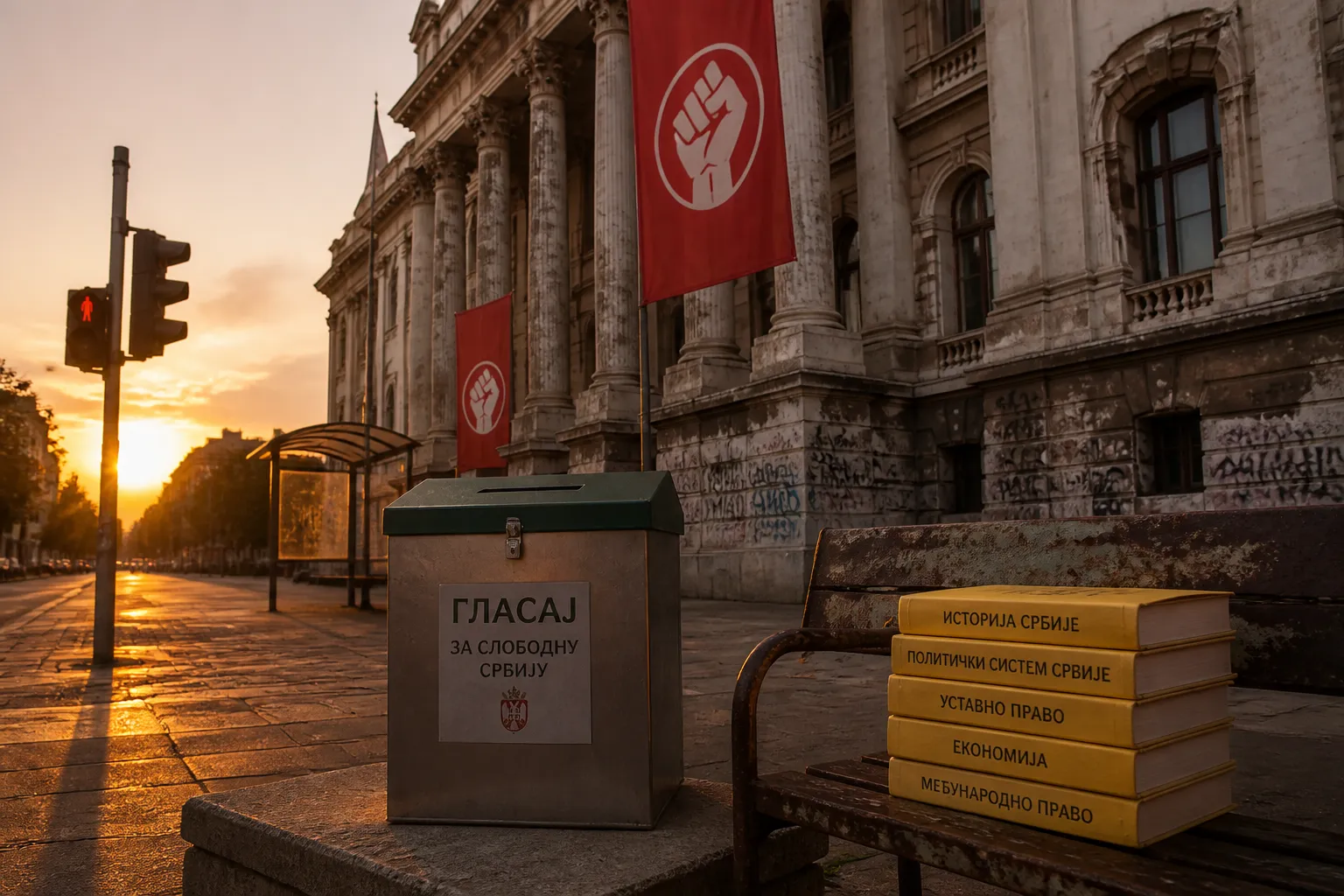
Serbia’s president has dissolved the National Assembly and called early parliamentary elections for October 25, 2026, after a year of student protests that have intensified demands for political change.
President Aleksandar Vučić announced the dissolution on September 9, following a proposal from Prime Minister Đuro Macut on September 7. The government supported the move, giving the president a 72‑hour window to decide. Vučić said the decision was prompted by a political crisis, social tensions, and divisions within society, and that delaying the vote could jeopardise the Expo 2027 project and the stability of democratic institutions.
The call comes amid a sustained student‑led protest movement that began after the collapse of a railway station canopy in November 2024, which killed 16 people. Students have organised nationwide demonstrations and have demanded early elections. After the election date was announced, student leaders said they were ready to participate and that their electoral list had already been formed.
The student list is expected to run as part of the broader opposition coalition. Several opposition parties have expressed support for the student list, while others plan to field separate coalitions. The Socialist Party of Serbia will run in a coalition with United Serbia, the Social Democratic Party of Serbia, and the Greens of Serbia.
The ruling Serbian Progressive Party (SNS) will contest the election under the alliance name “Aleksandar Vučić – United Serbia.” The list will include the Labour Party, the Serbian Radical Party, and the Party of United Pensioners, Farmers and Proletarians of Serbia “Solidarity and Justice.”
According to reports, Vučić also said he would resign within weeks, a statement that has added to the urgency of the election timetable. The early vote is expected to reshape the balance of power in the National Assembly, which has been a focal point of political tension since the 2024 railway station tragedy.
The elections will be held on October 25, 2026, a date that was set after the National Assembly was dissolved. The vote will determine the composition of the new parliament amid prolonged political and social tensions that have seen protests, legal reforms, and changes to election laws in the past year.
As the campaign begins, observers note that the student movement has become a significant political force, with its list already prepared and ready for the ballot. The opposition’s willingness to collaborate with the student list signals a potential shift in the political landscape. The outcome of the October 25 election will be closely watched by domestic and international observers, as it could influence Serbia’s trajectory toward European integration and domestic governance.
The current situation remains fluid. The National Assembly’s dissolution was formalised on September 9, and the election date has been set. The next steps will involve the registration of electoral lists, campaign activities, and the mobilisation of voters ahead of the October 25 vote. The election’s results will determine whether the ruling coalition retains a majority or whether the opposition and student forces can alter the parliamentary balance.
President Aleksandar Vučić announced the dissolution on September 9, following a proposal from Prime Minister Đuro Macut on September 7. The government supported the move, giving the president a 72‑hour window to decide. Vučić said the decision was prompted by a political crisis, social tensions, and divisions within society, and that delaying the vote could jeopardise the Expo 2027 project and the stability of democratic institutions.
The call comes amid a sustained student‑led protest movement that began after the collapse of a railway station canopy in November 2024, which killed 16 people. Students have organised nationwide demonstrations and have demanded early elections. After the election date was announced, student leaders said they were ready to participate and that their electoral list had already been formed.
The student list is expected to run as part of the broader opposition coalition. Several opposition parties have expressed support for the student list, while others plan to field separate coalitions. The Socialist Party of Serbia will run in a coalition with United Serbia, the Social Democratic Party of Serbia, and the Greens of Serbia.
The ruling Serbian Progressive Party (SNS) will contest the election under the alliance name “Aleksandar Vučić – United Serbia.” The list will include the Labour Party, the Serbian Radical Party, and the Party of United Pensioners, Farmers and Proletarians of Serbia “Solidarity and Justice.”
According to reports, Vučić also said he would resign within weeks, a statement that has added to the urgency of the election timetable. The early vote is expected to reshape the balance of power in the National Assembly, which has been a focal point of political tension since the 2024 railway station tragedy.
The elections will be held on October 25, 2026, a date that was set after the National Assembly was dissolved. The vote will determine the composition of the new parliament amid prolonged political and social tensions that have seen protests, legal reforms, and changes to election laws in the past year.
As the campaign begins, observers note that the student movement has become a significant political force, with its list already prepared and ready for the ballot. The opposition’s willingness to collaborate with the student list signals a potential shift in the political landscape. The outcome of the October 25 election will be closely watched by domestic and international observers, as it could influence Serbia’s trajectory toward European integration and domestic governance.
The current situation remains fluid. The National Assembly’s dissolution was formalised on September 9, and the election date has been set. The next steps will involve the registration of electoral lists, campaign activities, and the mobilisation of voters ahead of the October 25 vote. The election’s results will determine whether the ruling coalition retains a majority or whether the opposition and student forces can alter the parliamentary balance.