Blab Politics
Smithsonians Political History Archive Reveals Over 100,000 Artifacts, Including Lincolns Pocket Watch with Secret Inscription
Step behind the doors of the Smithsonian National Museum of American History and wander through a vault that holds more than 100,000 items, ranging from George Washington’s christening gown to campaign buttons and suffragette banners. The newly opened behind‑the‑scenes tour invites visitors to see the everyday objects that have shaped the nation’s political narrative.
Curator Lisa Kathleen Graddy explains that the archive’s roots stretch back to the late 1870s, when the federal government purchased Washington’s christening gown. Since that first acquisition, the museum has amassed a wide array of political artifacts, including a giant yellow wooden pencil that once served as a sign in the 1988 New Hampshire primary, Eleanor Roosevelt’s pince‑nez glasses, and Abraham Lincoln’s pocket watch.
"Every piece has a backstory," Graddy told Spectrum News. "We sometimes have personal items that might not have been part of a historic moment, but they help us talk about the life of the person and the era they lived in." She added that the museum’s mission is to collect history, not to present a political agenda.
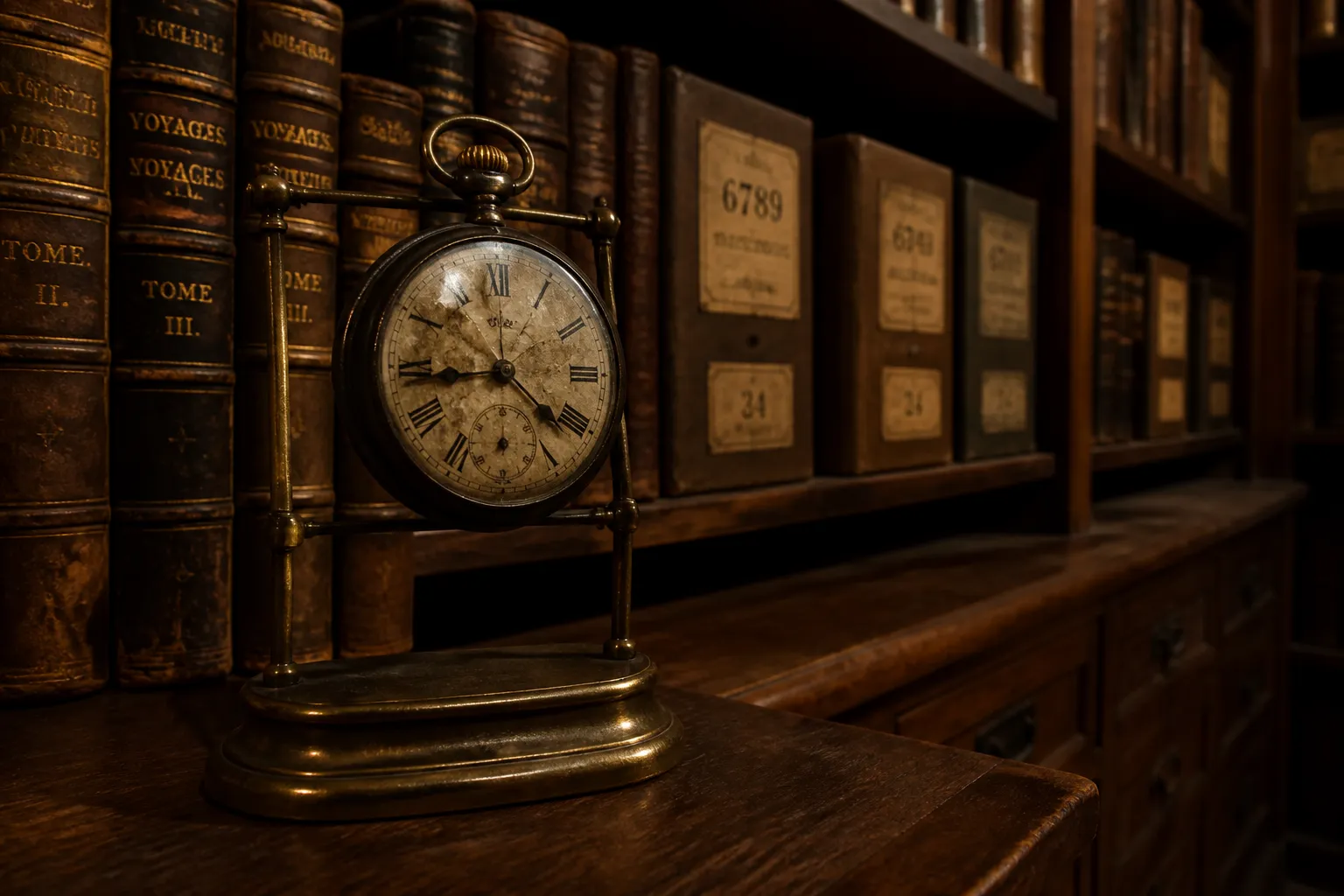
The watch, a gold case with an English‑works mechanical movement, belonged to Lincoln after he won a case for a railroad firm in Springfield, Illinois. Graddy says Lincoln brought the watch to Washington and wore it daily while in office. When the museum highlighted the watch during an exhibit on Lincoln’s 200th birthday, Doug Stiles—family member of Jonathan Dillion—contacted the museum, claiming a relative had carved a secret message into the watch.
Stiles told the Smithsonian that Dillion carved the inscription after the attack on Fort Sumter in 1861. Graddy confirmed that the watch had been cleaned and opened, revealing the inscription: “April 13, 1861. Jonathan Dillion. Fort Sumter was attacked by rebels on the above date. Thank God we have a government.” The museum’s conservation team verified the inscription, underscoring the institution’s commitment to preserving tangible links to the past.
Other highlights in the archive include a 19th‑century suffragette campaign button, the same wooden pencil sign from the 1988 New Hampshire primary, and Roosevelt’s pince‑nez glasses—likely worn while reading and writing correspondence.
The political history archive is not on permanent display. Graddy explains that only a fraction of the collection is exhibited at any one time; the rest is stored or loaned to other institutions.
The Smithsonian has faced criticism from former President Donald Trump and his administration, who accuse the museums of presenting a view of American history that denigrates the nation’s past. The museum’s leadership has denied these accusations.
On September 4, 2026, longtime secretary Lonnie Bunch announced his retirement at the end of the year, a move that came amid months of attacks on the institution by the Trump administration.
"What we’re really collecting is history, the history of Americans, the history of the nation, most importantly, the way those two interact with each other," Graddy said. "It’s the story of Americans’ engagement with their country, their engagement with their democracy, and with each other in both creating the nation and sustaining the nation."
The museum plans to continue adding artifacts that illustrate the nation’s political past. The archive’s holdings already include items from the suffragette movement, campaign buttons, banners, and personal items belonging to presidents and first ladies.
For researchers and visitors alike, the archive offers a glimpse into the everyday objects that shaped American politics. The Smithsonian’s ongoing efforts to preserve and interpret these artifacts reinforce its dedication to documenting the nation’s political heritage.
The archive remains a dynamic collection, with new items added regularly. The museum’s next steps include expanding its digital catalog and increasing public access to the holdings.
With more than 100,000 artifacts, the Smithsonian’s political history archive continues to serve as a repository for the nation’s political past, offering tangible connections to the leaders and movements that have shaped the United States.
Curator Lisa Kathleen Graddy explains that the archive’s roots stretch back to the late 1870s, when the federal government purchased Washington’s christening gown. Since that first acquisition, the museum has amassed a wide array of political artifacts, including a giant yellow wooden pencil that once served as a sign in the 1988 New Hampshire primary, Eleanor Roosevelt’s pince‑nez glasses, and Abraham Lincoln’s pocket watch.
"Every piece has a backstory," Graddy told Spectrum News. "We sometimes have personal items that might not have been part of a historic moment, but they help us talk about the life of the person and the era they lived in." She added that the museum’s mission is to collect history, not to present a political agenda.
The watch, a gold case with an English‑works mechanical movement, belonged to Lincoln after he won a case for a railroad firm in Springfield, Illinois. Graddy says Lincoln brought the watch to Washington and wore it daily while in office. When the museum highlighted the watch during an exhibit on Lincoln’s 200th birthday, Doug Stiles—family member of Jonathan Dillion—contacted the museum, claiming a relative had carved a secret message into the watch.
Stiles told the Smithsonian that Dillion carved the inscription after the attack on Fort Sumter in 1861. Graddy confirmed that the watch had been cleaned and opened, revealing the inscription: “April 13, 1861. Jonathan Dillion. Fort Sumter was attacked by rebels on the above date. Thank God we have a government.” The museum’s conservation team verified the inscription, underscoring the institution’s commitment to preserving tangible links to the past.
Other highlights in the archive include a 19th‑century suffragette campaign button, the same wooden pencil sign from the 1988 New Hampshire primary, and Roosevelt’s pince‑nez glasses—likely worn while reading and writing correspondence.
The political history archive is not on permanent display. Graddy explains that only a fraction of the collection is exhibited at any one time; the rest is stored or loaned to other institutions.
The Smithsonian has faced criticism from former President Donald Trump and his administration, who accuse the museums of presenting a view of American history that denigrates the nation’s past. The museum’s leadership has denied these accusations.
On September 4, 2026, longtime secretary Lonnie Bunch announced his retirement at the end of the year, a move that came amid months of attacks on the institution by the Trump administration.
"What we’re really collecting is history, the history of Americans, the history of the nation, most importantly, the way those two interact with each other," Graddy said. "It’s the story of Americans’ engagement with their country, their engagement with their democracy, and with each other in both creating the nation and sustaining the nation."
The museum plans to continue adding artifacts that illustrate the nation’s political past. The archive’s holdings already include items from the suffragette movement, campaign buttons, banners, and personal items belonging to presidents and first ladies.
For researchers and visitors alike, the archive offers a glimpse into the everyday objects that shaped American politics. The Smithsonian’s ongoing efforts to preserve and interpret these artifacts reinforce its dedication to documenting the nation’s political heritage.
The archive remains a dynamic collection, with new items added regularly. The museum’s next steps include expanding its digital catalog and increasing public access to the holdings.
With more than 100,000 artifacts, the Smithsonian’s political history archive continues to serve as a repository for the nation’s political past, offering tangible connections to the leaders and movements that have shaped the United States.