Blab Politics
Israel Aims to Control 70% of Gaza, Expands West Bank Settlements as Trumps Riviera Plan Gains Attention
In a bold new strategy that has already sparked global criticism, Israeli Prime Minister Benjamin Netanyahu announced a plan to bring 70 % of the Gaza Strip under Israeli control while simultaneously expanding Jewish settlements in the occupied West Bank.
Netanyahu first articulated this ambition in a February 2025 interview, stating that Israel seeks to control 70 % of Gaza. The claim was reported by Countercurrents and drew sharp rebuke from the United Nations and other international bodies. A senior Hamas official, Bassem Naim, countered that Israel’s actual control had risen only to about 8–9 % as an initial move to tighten its grip on the territory. Netanyahu’s comments have inflamed anger and frustration, particularly among UN officials who have repeatedly called for a humanitarian cease‑fire and the protection of civilians.
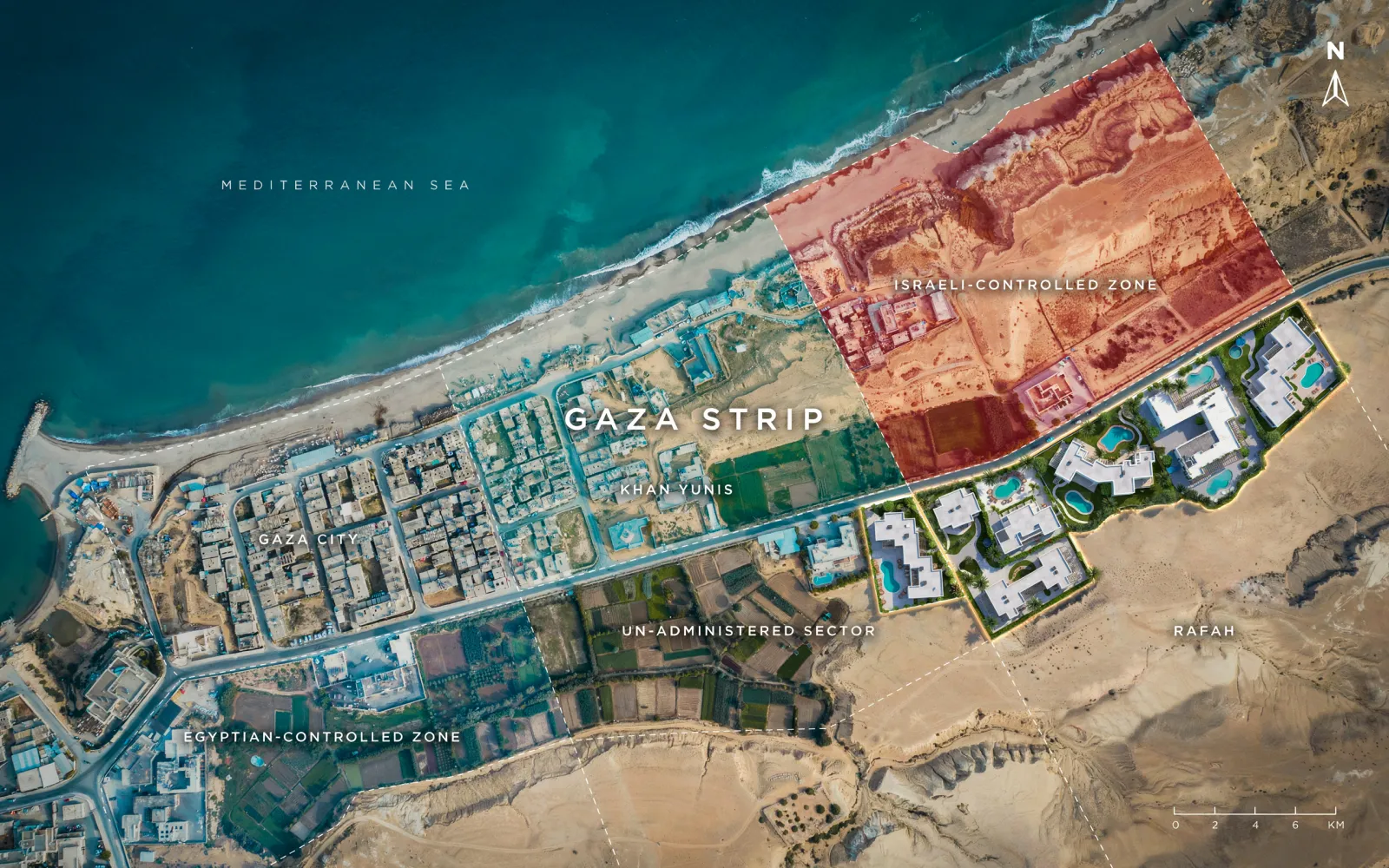
At the same time, former President Donald Trump unveiled his “Riviera” proposal in February 2025, envisioning the United States taking over Gaza and relocating its Palestinian population to other Arab states. The plan calls for the removal of roughly two million Palestinians and the demolition of 50 million tonnes of debris and unexploded ordnance. It was widely condemned by the United Nations, the European Union, and several Arab governments. According to the Guardian, Trump and Netanyahu publicly supported the plan, with Trump asserting that it would end the war, bring back hostages, and dismantle Hamas.
The Gaza war, which began on 7 October 2023, has resulted in the deaths of more than 72 000 Palestinians, according to the Gaza Health Ministry, and has caused widespread destruction of infrastructure. The United Nations Commission of Inquiry on the Occupied Palestinian Territory concluded that four of the five acts of genocide defined by the Genocide Convention had been committed in Gaza since the outbreak of hostilities. Israel has denied that its actions constitute genocide, arguing that they are a response to Hamas attacks.
In the West Bank, Israel’s hard‑line finance minister announced on 3 June 2026 that the government would add more than 2 000 homes to three Jewish settlements. Reuters reported that the expansion is part of a broader push to accelerate de‑facto annexation. The Israeli security cabinet approved on 8 February 2026 a set of measures that increase Israeli authority in Areas A and B, which are largely under Palestinian Authority control. The changes are intended to extend Israeli law and governance over additional West Bank territory.
Amid these policy shifts, Israel’s State Comptroller issued a warning on 3 June 2026 that foreign cyber threats could undermine the integrity of the 2026 elections. The Comptroller called for a shift to computerized balloting and urged the Central Elections Committee to review the current voting system. The warning follows reports of AI disinformation campaigns and foreign meddling that could affect voter confidence.
The combination of Gaza control ambitions, West Bank settlement expansion, and concerns over election security has raised questions about Israel’s long‑term strategy in the region. International observers note that the country’s actions are likely to exacerbate tensions with neighboring states and could trigger further diplomatic isolation.
As of now, Israel has not formally adopted a comprehensive plan for Gaza’s reconstruction or a definitive timeline for West Bank settlement expansion. The United Nations continues to call for a humanitarian cease‑fire and the protection of civilians in Gaza, while the European Union has signaled potential sanctions against Israeli companies involved in the West Bank settlement push. The 2026 elections remain scheduled for 27 October, but the Comptroller’s warnings suggest that the electoral process may face additional scrutiny.
The situation remains fluid, with ongoing negotiations between Israel and Hamas, continued U.S. involvement in the region, and international legal proceedings related to alleged war crimes and genocide. The next few months will likely see intensified diplomatic activity as Israel, the United States, and other stakeholders grapple with the implications of the Gaza “Riviera” proposal and the broader trajectory of Israeli policy in the occupied territories.
Netanyahu first articulated this ambition in a February 2025 interview, stating that Israel seeks to control 70 % of Gaza. The claim was reported by Countercurrents and drew sharp rebuke from the United Nations and other international bodies. A senior Hamas official, Bassem Naim, countered that Israel’s actual control had risen only to about 8–9 % as an initial move to tighten its grip on the territory. Netanyahu’s comments have inflamed anger and frustration, particularly among UN officials who have repeatedly called for a humanitarian cease‑fire and the protection of civilians.
At the same time, former President Donald Trump unveiled his “Riviera” proposal in February 2025, envisioning the United States taking over Gaza and relocating its Palestinian population to other Arab states. The plan calls for the removal of roughly two million Palestinians and the demolition of 50 million tonnes of debris and unexploded ordnance. It was widely condemned by the United Nations, the European Union, and several Arab governments. According to the Guardian, Trump and Netanyahu publicly supported the plan, with Trump asserting that it would end the war, bring back hostages, and dismantle Hamas.
The Gaza war, which began on 7 October 2023, has resulted in the deaths of more than 72 000 Palestinians, according to the Gaza Health Ministry, and has caused widespread destruction of infrastructure. The United Nations Commission of Inquiry on the Occupied Palestinian Territory concluded that four of the five acts of genocide defined by the Genocide Convention had been committed in Gaza since the outbreak of hostilities. Israel has denied that its actions constitute genocide, arguing that they are a response to Hamas attacks.
In the West Bank, Israel’s hard‑line finance minister announced on 3 June 2026 that the government would add more than 2 000 homes to three Jewish settlements. Reuters reported that the expansion is part of a broader push to accelerate de‑facto annexation. The Israeli security cabinet approved on 8 February 2026 a set of measures that increase Israeli authority in Areas A and B, which are largely under Palestinian Authority control. The changes are intended to extend Israeli law and governance over additional West Bank territory.
Amid these policy shifts, Israel’s State Comptroller issued a warning on 3 June 2026 that foreign cyber threats could undermine the integrity of the 2026 elections. The Comptroller called for a shift to computerized balloting and urged the Central Elections Committee to review the current voting system. The warning follows reports of AI disinformation campaigns and foreign meddling that could affect voter confidence.
The combination of Gaza control ambitions, West Bank settlement expansion, and concerns over election security has raised questions about Israel’s long‑term strategy in the region. International observers note that the country’s actions are likely to exacerbate tensions with neighboring states and could trigger further diplomatic isolation.
As of now, Israel has not formally adopted a comprehensive plan for Gaza’s reconstruction or a definitive timeline for West Bank settlement expansion. The United Nations continues to call for a humanitarian cease‑fire and the protection of civilians in Gaza, while the European Union has signaled potential sanctions against Israeli companies involved in the West Bank settlement push. The 2026 elections remain scheduled for 27 October, but the Comptroller’s warnings suggest that the electoral process may face additional scrutiny.
The situation remains fluid, with ongoing negotiations between Israel and Hamas, continued U.S. involvement in the region, and international legal proceedings related to alleged war crimes and genocide. The next few months will likely see intensified diplomatic activity as Israel, the United States, and other stakeholders grapple with the implications of the Gaza “Riviera” proposal and the broader trajectory of Israeli policy in the occupied territories.