Blab Politics
Federal Freeze Slaps $200 Million in Minnesota Medicaid Funds Over Fraud Concerns
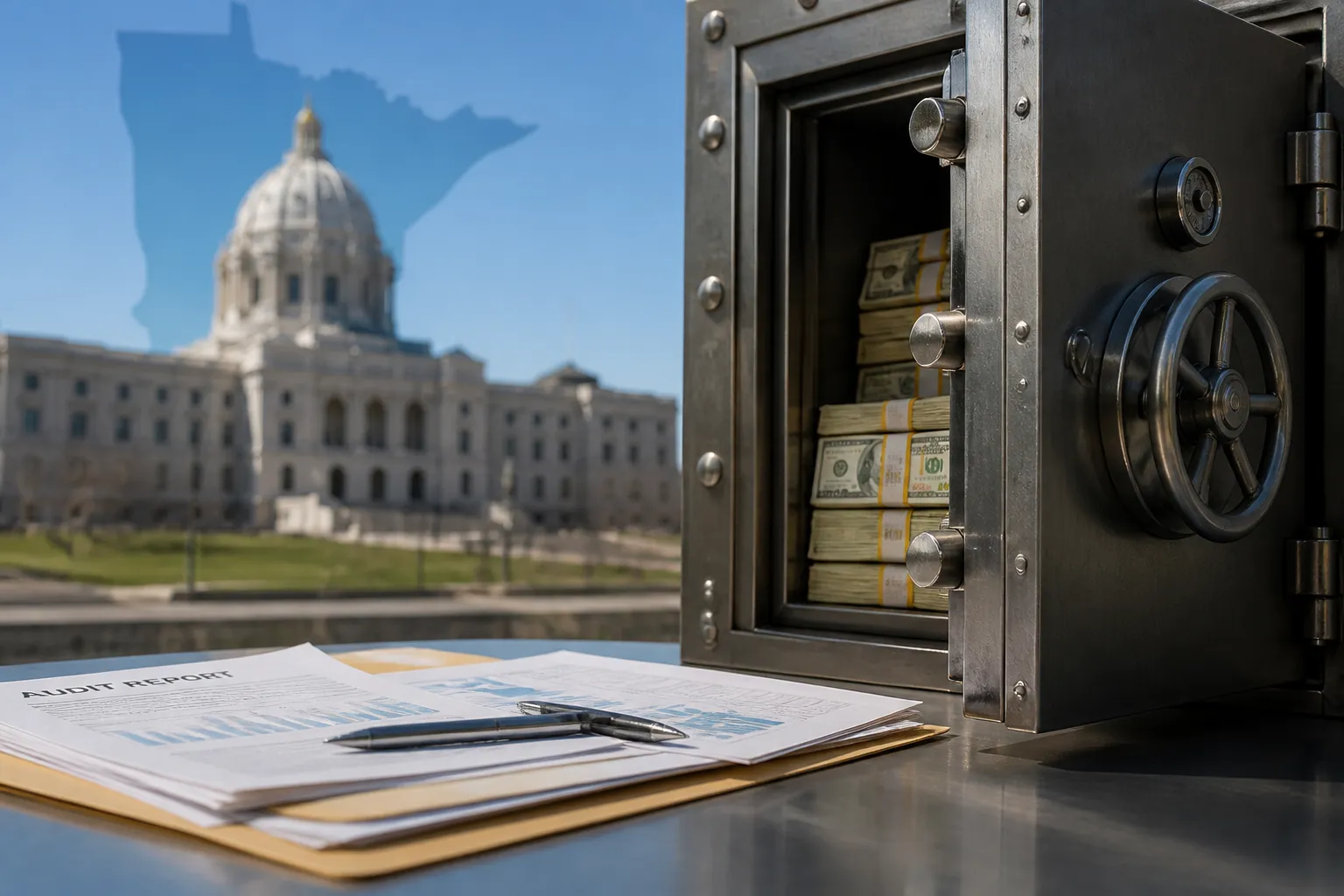
On Tuesday, the U.S. Department of Health and Human Services (HHS) and the Centers for Medicare & Medicaid Services (CMS) halted nearly $200 million in federal Medicaid payments to Minnesota. The pause is part of a broader action that also keeps more than $867 million from California on hold, bringing the total paused payments to the two states to over $1 billion.
The freeze follows a series of investigations into suspected fraud in Minnesota’s public health insurance programs. HHS officials said the agency is withholding funds until the state can provide documentation that its Medicaid claims meet federal requirements. The decision is tied to a recent audit that led to the disenrollment of more than 3,000 Medicaid providers in Minnesota.
"Medicaid exists to serve vulnerable Americans, not to bankroll unsupported claims," HHS Secretary Robert F. Kennedy Jr. said at a news conference with CMS Administrator Dr. Mehmet Oz. Oz added that the provider disenrollments were a major driver of the $200 million deferral.
Minnesota’s Department of Human Services (DHS) has responded that it has worked in good faith with the federal government to strengthen program safeguards. The state has previously faced a $350 million freeze under the Trump administration, and it has been involved in a court dispute over those earlier holds.
Temporary DHS Commissioner John Connolly criticized the federal agency for not providing details on how it is identifying potentially fraudulent claims. Connolly said the freeze is an “unprecedented and punitive” move that undermines partnership between state and federal agencies.
The federal action follows a March 19 letter from CMS to Minnesota DHS. In that letter, CMS said the state’s corrective action plan, submitted on January 30, was deemed sufficient. CMS also required Minnesota to implement a revalidation program for high‑risk service providers by the end of May.
The freeze is part of a broader effort to broaden federal exclusion authority. HHS announced that both CMS and the Office of Inspector General will be able to remove providers from federal health programs. In some cases, providers may be permanently barred from returning.
The Trump administration had previously withheld $243 million from Minnesota. In February, Oz and Vice President J.D. Vance said the federal government would freeze funds because Minnesota had not adequately addressed fraud in certain Medicaid programs, including those related to autism treatment.
Minnesota’s DHS has stated that it has taken steps to shore up program defenses and prevent misuse of health dollars. The state’s corrective action plan was accepted by CMS, and the revalidation program is scheduled to begin in May.
The federal hold on Medicaid payments has significant implications for Minnesota’s 850,000 Medicaid enrollees. The state’s health department has warned that the pause could delay services for patients who rely on Medicaid for routine care and specialized treatments.
California is also affected by the freeze, with more than $867 million in payments on hold. The federal government cited suspected fraud and non‑compliance in that state as well.
The pause is not a permanent cut. HHS said it will release funds once Minnesota submits the required documentation and demonstrates compliance with federal standards. The agency has not set a specific release date.
The federal action underscores the ongoing tension between state Medicaid programs and federal oversight. Minnesota’s DHS remains committed to restoring full funding, while federal officials maintain that the freeze is necessary to protect taxpayer dollars.
As of now, Minnesota’s corrective action plan is in place, the revalidation program is slated for May, and the federal agencies are awaiting further documentation. The next steps will involve the state submitting additional evidence of compliance and the federal agencies reviewing that evidence before any funds are released.
The freeze remains in effect, and the federal agencies have not announced a timeline for lifting the hold. Minnesota DHS officials continue to work with HHS and CMS to resolve the issues and restore full Medicaid funding.
The situation remains fluid, and the state and federal agencies are monitoring the situation closely as they work toward a resolution that balances program integrity with the needs of Medicaid beneficiaries.
The freeze follows a series of investigations into suspected fraud in Minnesota’s public health insurance programs. HHS officials said the agency is withholding funds until the state can provide documentation that its Medicaid claims meet federal requirements. The decision is tied to a recent audit that led to the disenrollment of more than 3,000 Medicaid providers in Minnesota.
"Medicaid exists to serve vulnerable Americans, not to bankroll unsupported claims," HHS Secretary Robert F. Kennedy Jr. said at a news conference with CMS Administrator Dr. Mehmet Oz. Oz added that the provider disenrollments were a major driver of the $200 million deferral.
Minnesota’s Department of Human Services (DHS) has responded that it has worked in good faith with the federal government to strengthen program safeguards. The state has previously faced a $350 million freeze under the Trump administration, and it has been involved in a court dispute over those earlier holds.
Temporary DHS Commissioner John Connolly criticized the federal agency for not providing details on how it is identifying potentially fraudulent claims. Connolly said the freeze is an “unprecedented and punitive” move that undermines partnership between state and federal agencies.
The federal action follows a March 19 letter from CMS to Minnesota DHS. In that letter, CMS said the state’s corrective action plan, submitted on January 30, was deemed sufficient. CMS also required Minnesota to implement a revalidation program for high‑risk service providers by the end of May.
The freeze is part of a broader effort to broaden federal exclusion authority. HHS announced that both CMS and the Office of Inspector General will be able to remove providers from federal health programs. In some cases, providers may be permanently barred from returning.
The Trump administration had previously withheld $243 million from Minnesota. In February, Oz and Vice President J.D. Vance said the federal government would freeze funds because Minnesota had not adequately addressed fraud in certain Medicaid programs, including those related to autism treatment.
Minnesota’s DHS has stated that it has taken steps to shore up program defenses and prevent misuse of health dollars. The state’s corrective action plan was accepted by CMS, and the revalidation program is scheduled to begin in May.
The federal hold on Medicaid payments has significant implications for Minnesota’s 850,000 Medicaid enrollees. The state’s health department has warned that the pause could delay services for patients who rely on Medicaid for routine care and specialized treatments.
California is also affected by the freeze, with more than $867 million in payments on hold. The federal government cited suspected fraud and non‑compliance in that state as well.
The pause is not a permanent cut. HHS said it will release funds once Minnesota submits the required documentation and demonstrates compliance with federal standards. The agency has not set a specific release date.
The federal action underscores the ongoing tension between state Medicaid programs and federal oversight. Minnesota’s DHS remains committed to restoring full funding, while federal officials maintain that the freeze is necessary to protect taxpayer dollars.
As of now, Minnesota’s corrective action plan is in place, the revalidation program is slated for May, and the federal agencies are awaiting further documentation. The next steps will involve the state submitting additional evidence of compliance and the federal agencies reviewing that evidence before any funds are released.
The freeze remains in effect, and the federal agencies have not announced a timeline for lifting the hold. Minnesota DHS officials continue to work with HHS and CMS to resolve the issues and restore full Medicaid funding.
The situation remains fluid, and the state and federal agencies are monitoring the situation closely as they work toward a resolution that balances program integrity with the needs of Medicaid beneficiaries.