Blab Politics
U.S. House Passes Concurrent Resolution to End Iran War, Testing War Powers Resolution
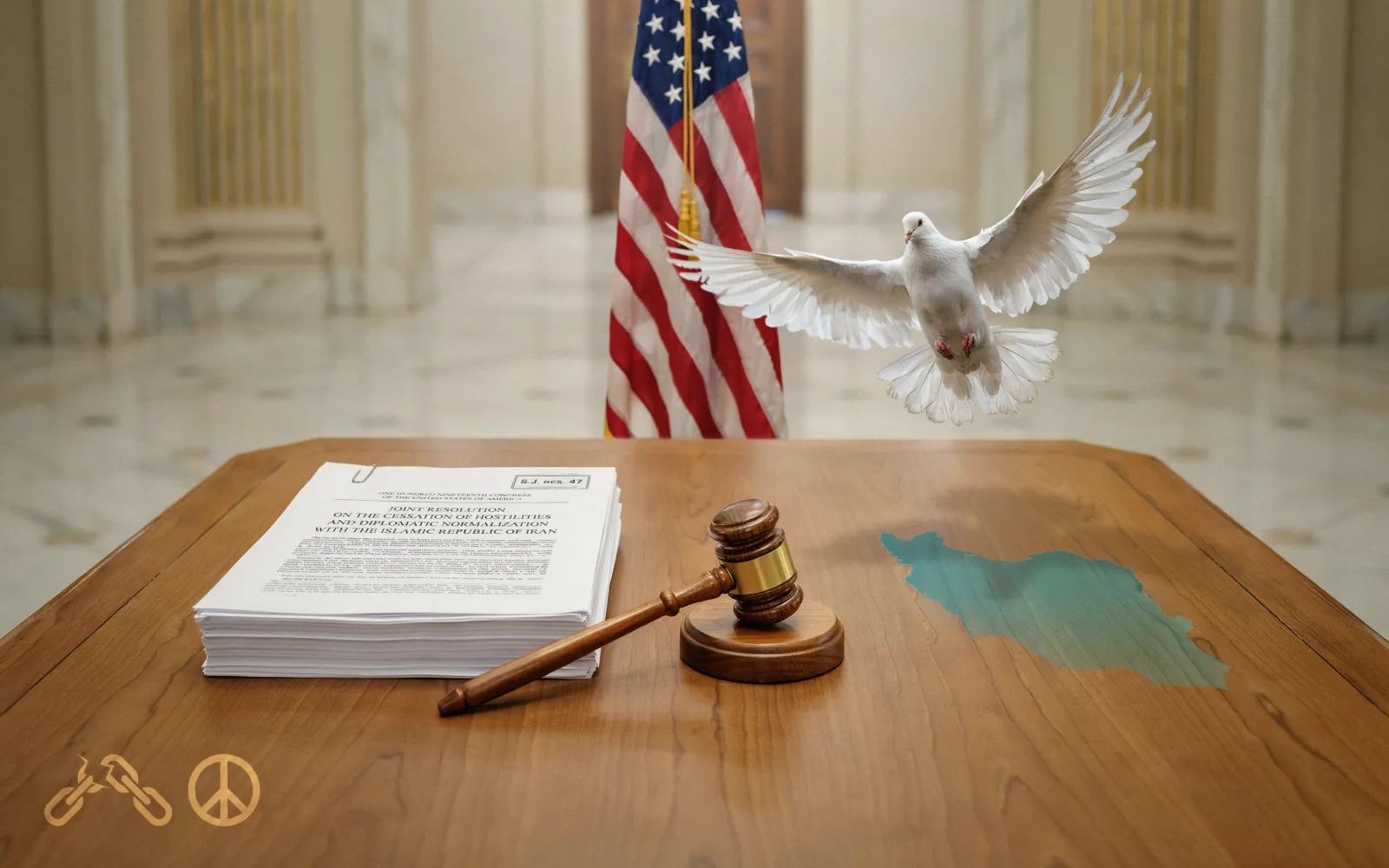
On June 5, 2026 the Republican‑controlled U.S. House of Representatives approved a concurrent resolution that directs the president to remove U.S. armed forces from hostilities against the Islamic Republic of Iran. The measure is the first time since the war began that Congress has taken a step to end the conflict without presidential approval.
The resolution, which is not subject to a presidential veto, follows the text of the 1973 War Powers Resolution. That law requires the president to notify Congress within 48 hours of committing armed forces to military action and limits the presence of U.S. troops abroad to 60 days, with a 30‑day withdrawal period, unless Congress authorizes continued engagement. The House resolution therefore seeks to invoke the War Powers Resolution’s authority to compel a withdrawal of U.S. forces.
The war with Iran began on February 28, 2026, when the United States and Israel launched airstrikes that targeted Iranian military sites and high‑ranking officials, including Supreme Leader Ali Khamenei. The strikes were justified by Washington as pre‑emptive measures to prevent a nuclear breakout. Since then the conflict has continued, with U.S. and Israeli forces conducting additional strikes and Iranian forces conducting retaliatory attacks.
According to reports, the House’s concurrent resolution is the first legislative effort to end the war since it started. The resolution is a step toward a potential legal showdown that would clarify the extent of Congress’s authority under the War Powers Resolution. The resolution’s language requires the president to “remove United States Armed Forces from hostilities against the Islamic Republic of Iran,” a directive that could be challenged in court.
The resolution is not a declaration of war. It is a concurrent resolution, a type of legislative action that can be adopted by both chambers of Congress without the need for a presidential signature or veto. The War Powers Resolution allows Congress to use a concurrent resolution to end a war, but the constitutional and legal limits of that power remain disputed.
The House action follows a broader debate about the balance of war‑making authority between the executive and legislative branches. The War Powers Resolution was passed in 1973, overriding President Richard Nixon’s veto, and has been invoked in other conflicts, including the Gulf War and the war in Afghanistan. The resolution’s effectiveness in limiting presidential war‑making powers has been questioned, and the current House measure could prompt a judicial review.
In addition to the congressional action, an unverified claim has circulated that Iran is willing to detonate a nuclear device on its own soil to end the war. The claim was reported by journalist Pepe Escobar and has not been substantiated by any credible source. According to reports, the claim remains unverified and has not been confirmed by Iranian officials or independent intelligence.
The House resolution is currently pending approval by the Senate. If the Senate adopts the resolution, it would compel the president to withdraw U.S. forces from hostilities against Iran. The next steps include Senate debate and a vote, after which the resolution would become law. Legal challenges could arise if the president or other officials refuse to comply, potentially leading to a Supreme Court case that would address the scope of congressional war‑authorizing power.
The resolution marks a significant development in the ongoing Iran conflict. It represents a rare instance of Congress attempting to override the president’s military authority during an active war. The outcome will shape the legal framework for U.S. war powers and could influence future conflicts.
The situation remains fluid. The House resolution’s passage is a milestone, but the war with Iran continues, and the legal and political ramifications of the resolution are still unfolding.
The resolution, which is not subject to a presidential veto, follows the text of the 1973 War Powers Resolution. That law requires the president to notify Congress within 48 hours of committing armed forces to military action and limits the presence of U.S. troops abroad to 60 days, with a 30‑day withdrawal period, unless Congress authorizes continued engagement. The House resolution therefore seeks to invoke the War Powers Resolution’s authority to compel a withdrawal of U.S. forces.
The war with Iran began on February 28, 2026, when the United States and Israel launched airstrikes that targeted Iranian military sites and high‑ranking officials, including Supreme Leader Ali Khamenei. The strikes were justified by Washington as pre‑emptive measures to prevent a nuclear breakout. Since then the conflict has continued, with U.S. and Israeli forces conducting additional strikes and Iranian forces conducting retaliatory attacks.
According to reports, the House’s concurrent resolution is the first legislative effort to end the war since it started. The resolution is a step toward a potential legal showdown that would clarify the extent of Congress’s authority under the War Powers Resolution. The resolution’s language requires the president to “remove United States Armed Forces from hostilities against the Islamic Republic of Iran,” a directive that could be challenged in court.
The resolution is not a declaration of war. It is a concurrent resolution, a type of legislative action that can be adopted by both chambers of Congress without the need for a presidential signature or veto. The War Powers Resolution allows Congress to use a concurrent resolution to end a war, but the constitutional and legal limits of that power remain disputed.
The House action follows a broader debate about the balance of war‑making authority between the executive and legislative branches. The War Powers Resolution was passed in 1973, overriding President Richard Nixon’s veto, and has been invoked in other conflicts, including the Gulf War and the war in Afghanistan. The resolution’s effectiveness in limiting presidential war‑making powers has been questioned, and the current House measure could prompt a judicial review.
In addition to the congressional action, an unverified claim has circulated that Iran is willing to detonate a nuclear device on its own soil to end the war. The claim was reported by journalist Pepe Escobar and has not been substantiated by any credible source. According to reports, the claim remains unverified and has not been confirmed by Iranian officials or independent intelligence.
The House resolution is currently pending approval by the Senate. If the Senate adopts the resolution, it would compel the president to withdraw U.S. forces from hostilities against Iran. The next steps include Senate debate and a vote, after which the resolution would become law. Legal challenges could arise if the president or other officials refuse to comply, potentially leading to a Supreme Court case that would address the scope of congressional war‑authorizing power.
The resolution marks a significant development in the ongoing Iran conflict. It represents a rare instance of Congress attempting to override the president’s military authority during an active war. The outcome will shape the legal framework for U.S. war powers and could influence future conflicts.
The situation remains fluid. The House resolution’s passage is a milestone, but the war with Iran continues, and the legal and political ramifications of the resolution are still unfolding.