Blab Politics
DHS Claims 300,000 Unaccompanied Children Missing; Administration Finds 146,000, Faces Legal Challenges
At a press conference in Washington on June 11, 2026, DHS Secretary Mark Wayne Mullin and Acting Attorney General Todd Blanche presented a stark headline: 146,000 of the 300,000 unaccompanied migrant children the agency says vanished during the Biden administration have now been located.
The 300,000‑child figure comes from a Department of Homeland Security report written by the Office of Inspector General and released in August 2024. The report traced children who crossed the U.S.–Mexico border alone during the Biden administration, were apprehended, processed, and then released to sponsors—usually adult relatives—without adequate follow‑up. The investigation noted that many sponsors were not vetted and, in some cases, children were allegedly placed with individuals who later abused them.
During the Justice Department briefing, Mullin and Blanche announced that the administration has been “locating” children and that it has re‑contacted roughly 150,000 of them through phone calls, home visits, and community outreach. They added that hundreds of children have been re‑detained and that sponsors must undergo a new, more stringent vetting process before the children can be released.
Acting ORR Director Angie Salazar also revealed the new vetting requirements at the same press conference. Salazar said the process would mirror the standards of the American foster‑care system, including background checks, financial stability verification, and home visits. The changes to sponsor vetting were formalized in Field Guidance #24, effective January 26, 2026.
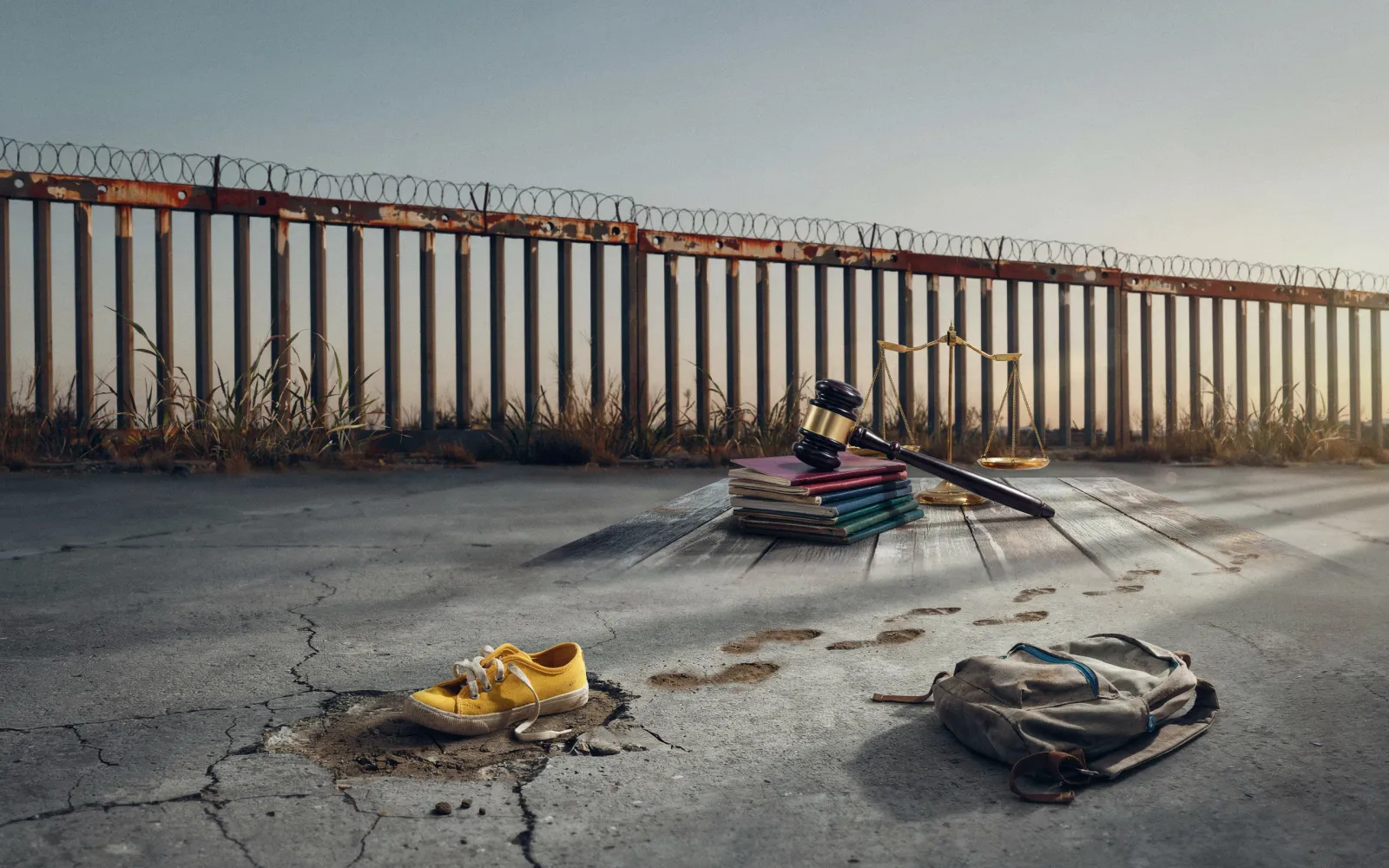
The administration’s actions come amid a series of lawsuits filed by families and advocacy groups. Democracy Forward and the National Center for Youth Law have sued the DHS, arguing that the extended detention periods violate the Flores Settlement Agreement, a 1997 court‑supervised settlement that requires children to be released to a parent or legal guardian within 20 days of detention. The lawsuits also claim that the new sponsor vetting process creates unreasonable delays that keep children in government care for months or longer.
Legal experts note that the average detention length for unaccompanied minors has increased under the current administration. Under the Biden administration, the Office of Refugee Resettlement (ORR) held children for an average of 37 days. Under the Trump administration, the average was about six months, and some children have been detained for more than a year.
Lawyers who work with unaccompanied minors say that abuse by fake sponsors is relatively rare and that most sponsors are legitimate family members. They argue that the current policy separates children from loved ones and places them in facilities that are “essentially prisons,” with strict schedules for showers, meals, and bathroom use. Some detained children have reported suicidal ideation, depression, and anxiety as a result of prolonged detention.
The press conference also highlighted the indictment of three individuals who allegedly lied about their identities to gain custody of minors, and a fourth man who was sentenced for raping a girl in his care. While these cases illustrate serious abuse, lawyers point out that they represent a small fraction of the overall population of unaccompanied minors.
The administration maintains that its efforts are aimed at protecting children. Mullin said the government is “rescuing” as many kids as possible, and that the new vetting process is designed to ensure safety. However, families and advocates argue that the policy’s focus on safety has come at the expense of timely reunification.
The current situation remains fluid. The DHS has not yet released a definitive timetable for how many children will be released in the coming months. The lawsuits are pending in federal court, and the Department of Justice has not yet responded to the claims. The Office of Refugee Resettlement continues to operate under the Flores Settlement Agreement, while the new sponsor vetting guidance is being implemented.
In short, the DHS claims to have located 146,000 of the 300,000 missing unaccompanied children, but the administration’s new policies and the legal challenges they have sparked raise questions about the balance between child safety and the right to family reunification.
The 300,000‑child figure comes from a Department of Homeland Security report written by the Office of Inspector General and released in August 2024. The report traced children who crossed the U.S.–Mexico border alone during the Biden administration, were apprehended, processed, and then released to sponsors—usually adult relatives—without adequate follow‑up. The investigation noted that many sponsors were not vetted and, in some cases, children were allegedly placed with individuals who later abused them.
During the Justice Department briefing, Mullin and Blanche announced that the administration has been “locating” children and that it has re‑contacted roughly 150,000 of them through phone calls, home visits, and community outreach. They added that hundreds of children have been re‑detained and that sponsors must undergo a new, more stringent vetting process before the children can be released.
Acting ORR Director Angie Salazar also revealed the new vetting requirements at the same press conference. Salazar said the process would mirror the standards of the American foster‑care system, including background checks, financial stability verification, and home visits. The changes to sponsor vetting were formalized in Field Guidance #24, effective January 26, 2026.
The administration’s actions come amid a series of lawsuits filed by families and advocacy groups. Democracy Forward and the National Center for Youth Law have sued the DHS, arguing that the extended detention periods violate the Flores Settlement Agreement, a 1997 court‑supervised settlement that requires children to be released to a parent or legal guardian within 20 days of detention. The lawsuits also claim that the new sponsor vetting process creates unreasonable delays that keep children in government care for months or longer.
Legal experts note that the average detention length for unaccompanied minors has increased under the current administration. Under the Biden administration, the Office of Refugee Resettlement (ORR) held children for an average of 37 days. Under the Trump administration, the average was about six months, and some children have been detained for more than a year.
Lawyers who work with unaccompanied minors say that abuse by fake sponsors is relatively rare and that most sponsors are legitimate family members. They argue that the current policy separates children from loved ones and places them in facilities that are “essentially prisons,” with strict schedules for showers, meals, and bathroom use. Some detained children have reported suicidal ideation, depression, and anxiety as a result of prolonged detention.
The press conference also highlighted the indictment of three individuals who allegedly lied about their identities to gain custody of minors, and a fourth man who was sentenced for raping a girl in his care. While these cases illustrate serious abuse, lawyers point out that they represent a small fraction of the overall population of unaccompanied minors.
The administration maintains that its efforts are aimed at protecting children. Mullin said the government is “rescuing” as many kids as possible, and that the new vetting process is designed to ensure safety. However, families and advocates argue that the policy’s focus on safety has come at the expense of timely reunification.
The current situation remains fluid. The DHS has not yet released a definitive timetable for how many children will be released in the coming months. The lawsuits are pending in federal court, and the Department of Justice has not yet responded to the claims. The Office of Refugee Resettlement continues to operate under the Flores Settlement Agreement, while the new sponsor vetting guidance is being implemented.
In short, the DHS claims to have located 146,000 of the 300,000 missing unaccompanied children, but the administration’s new policies and the legal challenges they have sparked raise questions about the balance between child safety and the right to family reunification.