Blab Politics
U.S. Prediction Markets Surge Amid Growing Regulatory Scrutiny
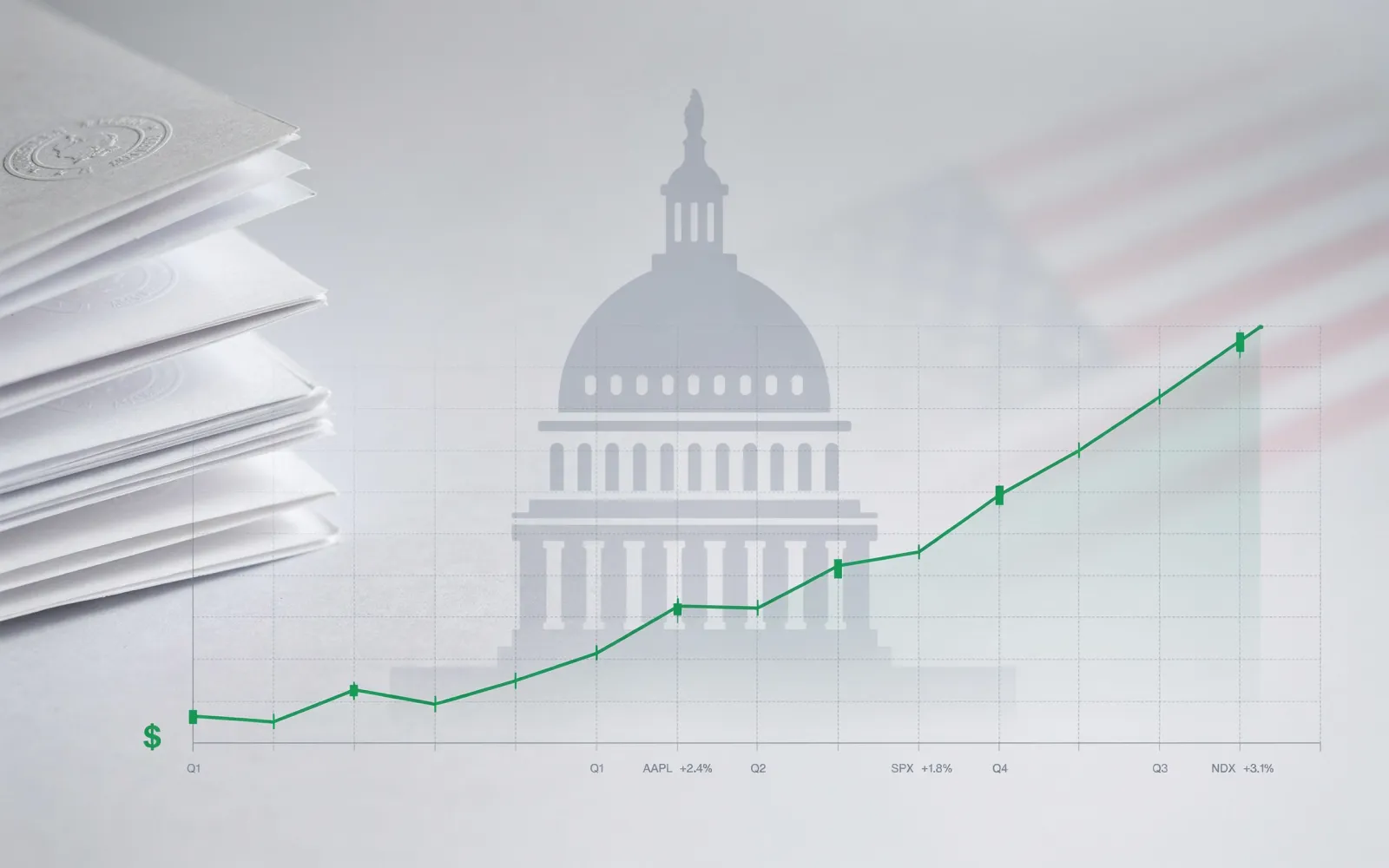
Prediction markets—online platforms where users trade contracts that pay out if a specific event occurs—have leapt from niche internet forums to a rapidly expanding financial sector. Recent trading data show that monthly volumes on sites such as Polymarket and Kalshi topped $24 billion, and analysts project total market volume to exceed $240 billion in 2025, with a realistic path to $1 trillion in annual trading by 2030.
The surge has drawn the attention of regulators. In April 2026 the Commodity Futures Trading Commission (CFTC) filed a motion for a preliminary injunction and restraining order against state prosecutions of Kalshi, a New York‑based prediction market launched in 2021. The CFTC argued that state actions violated its exclusive jurisdiction over futures and options. The U.S. Court of Appeals for the D.C. Circuit denied the agency’s request for a stay, noting that concerns about market manipulation and election integrity were speculative and not backed by concrete evidence. The decision cleared the way for commercial election‑event contracts in the United States.
Kalshi’s legal battle began earlier when the CFTC sued the platform over its election‑betting contracts. A district court ruled in Kalshi’s favor, and the CFTC appealed. In May 2025 the CFTC dropped its appeal after a 3‑0 vote, citing the lack of evidence that political‑outcome betting posed an immediate harm to the public interest. The ruling affirmed that the CFTC had exceeded its statutory authority.
State‑level action has also intensified. On May 13, 2026, Minnesota lawmakers passed a bill banning prediction‑market operations in the state—the first explicit prohibition of its kind. The law allows the state to issue cease‑and‑desist orders to platforms operating within Minnesota. The Trump administration sued the state, arguing that the ban infringed on federal jurisdiction and suppressed a tool that aggregates public sentiment.
Proponents point to the markets’ real‑time information aggregation. During the early 2026 Iran conflict, platforms such as Polymarket and IMF PortWatch reflected a “war premium” weeks before the U.S.‑led coalition struck in February. Traders incorporated satellite tracking, insurance rate spikes, and shipping data, causing odds to shift hours before the Pentagon confirmed that 20 percent of global oil supply was stranded. Analysts say that prediction markets can provide a more accurate, dynamic picture than static polls or bureaucratic reports.
Critics argue that the markets facilitate gambling and insider trading. Polymarket, for example, has been banned in France and Brazil and has faced accusations of allowing wagers on military strikes and permitting individuals with insider information to profit. In 2026, a U.S. Army soldier reportedly earned over $404,000 by trading on classified information about operations in Venezuela, the only major case of its kind involving national security.
Financially, prediction markets operate outside traditional gaming tax structures. According to the American Gaming Association’s Commercial Gaming Revenue Tracker, platforms offering sports and event contracts may have cost state governments nearly $950 million in potential gaming taxes since 2025. Because they answer to federal oversight rather than state gaming boards, they typically pay standard corporate tax rates.
The regulatory debate centers on whether the state’s “public‑safety” rationale is a pretext for protecting entrenched gambling monopolies and maintaining bureaucratic authority. The CFTC’s recent decisions, coupled with Minnesota’s ban, illustrate a growing tension between federal and state powers over decentralized information markets.
As of today, the legal landscape remains unsettled. The Minnesota law is in effect, but the federal lawsuit is pending. Kalshi continues to operate under federal jurisdiction, and the broader industry watches the outcomes of these cases closely, as they will shape the future of prediction markets in the United States.
The surge has drawn the attention of regulators. In April 2026 the Commodity Futures Trading Commission (CFTC) filed a motion for a preliminary injunction and restraining order against state prosecutions of Kalshi, a New York‑based prediction market launched in 2021. The CFTC argued that state actions violated its exclusive jurisdiction over futures and options. The U.S. Court of Appeals for the D.C. Circuit denied the agency’s request for a stay, noting that concerns about market manipulation and election integrity were speculative and not backed by concrete evidence. The decision cleared the way for commercial election‑event contracts in the United States.
Kalshi’s legal battle began earlier when the CFTC sued the platform over its election‑betting contracts. A district court ruled in Kalshi’s favor, and the CFTC appealed. In May 2025 the CFTC dropped its appeal after a 3‑0 vote, citing the lack of evidence that political‑outcome betting posed an immediate harm to the public interest. The ruling affirmed that the CFTC had exceeded its statutory authority.
State‑level action has also intensified. On May 13, 2026, Minnesota lawmakers passed a bill banning prediction‑market operations in the state—the first explicit prohibition of its kind. The law allows the state to issue cease‑and‑desist orders to platforms operating within Minnesota. The Trump administration sued the state, arguing that the ban infringed on federal jurisdiction and suppressed a tool that aggregates public sentiment.
Proponents point to the markets’ real‑time information aggregation. During the early 2026 Iran conflict, platforms such as Polymarket and IMF PortWatch reflected a “war premium” weeks before the U.S.‑led coalition struck in February. Traders incorporated satellite tracking, insurance rate spikes, and shipping data, causing odds to shift hours before the Pentagon confirmed that 20 percent of global oil supply was stranded. Analysts say that prediction markets can provide a more accurate, dynamic picture than static polls or bureaucratic reports.
Critics argue that the markets facilitate gambling and insider trading. Polymarket, for example, has been banned in France and Brazil and has faced accusations of allowing wagers on military strikes and permitting individuals with insider information to profit. In 2026, a U.S. Army soldier reportedly earned over $404,000 by trading on classified information about operations in Venezuela, the only major case of its kind involving national security.
Financially, prediction markets operate outside traditional gaming tax structures. According to the American Gaming Association’s Commercial Gaming Revenue Tracker, platforms offering sports and event contracts may have cost state governments nearly $950 million in potential gaming taxes since 2025. Because they answer to federal oversight rather than state gaming boards, they typically pay standard corporate tax rates.
The regulatory debate centers on whether the state’s “public‑safety” rationale is a pretext for protecting entrenched gambling monopolies and maintaining bureaucratic authority. The CFTC’s recent decisions, coupled with Minnesota’s ban, illustrate a growing tension between federal and state powers over decentralized information markets.
As of today, the legal landscape remains unsettled. The Minnesota law is in effect, but the federal lawsuit is pending. Kalshi continues to operate under federal jurisdiction, and the broader industry watches the outcomes of these cases closely, as they will shape the future of prediction markets in the United States.