Blab Politics
Iranian Americans Split Over Irans 2026 World Cup Participation
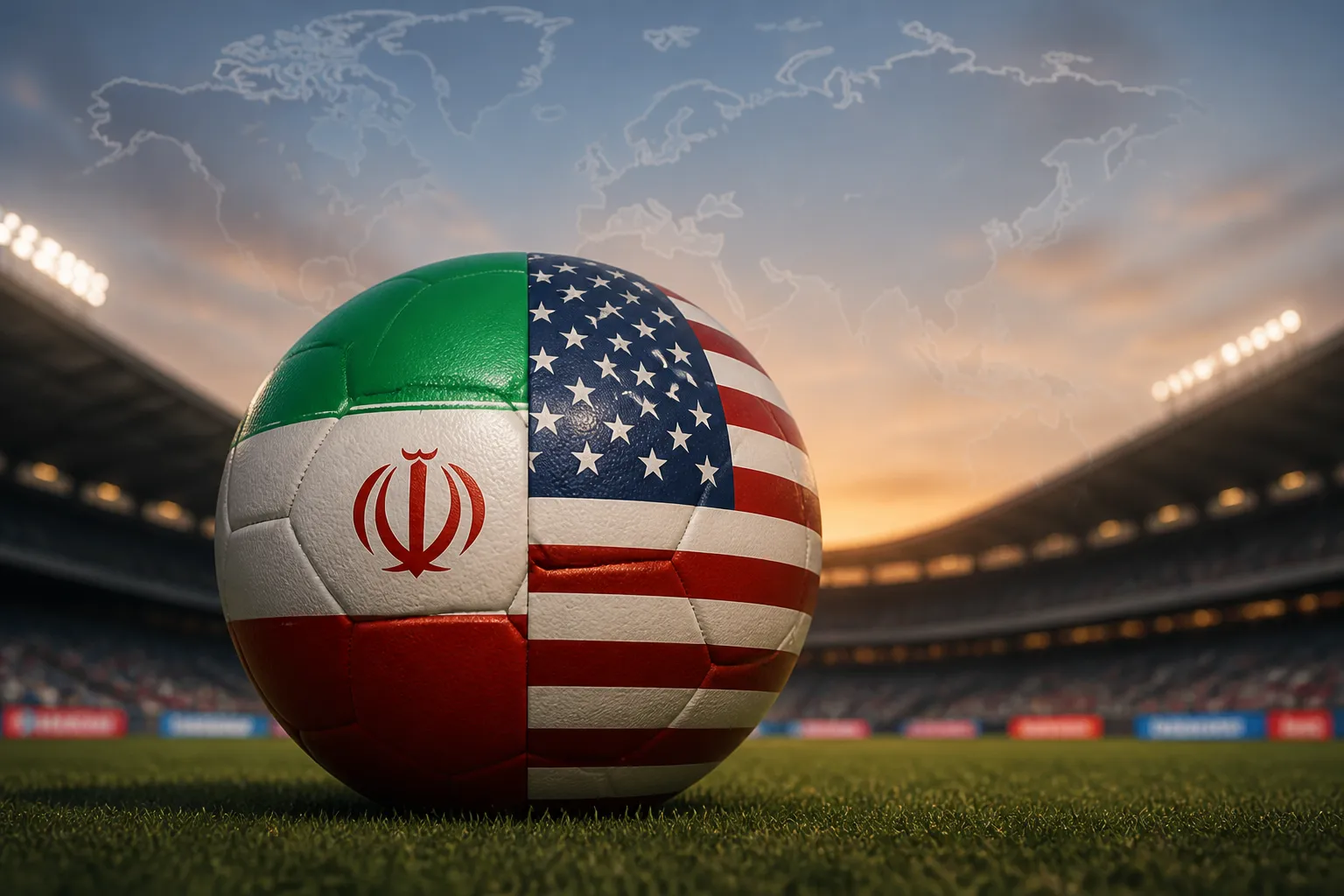
In Los Angeles, Iranian Americans are preparing for a day of divided sentiment as Iran’s national football team opens its 2026 World Cup campaign against New Zealand on Monday. While some community members plan to cheer the team inside the stadium, others are organizing a protest outside the venue in the city’s Persian enclave, Tehrangeles.
The clash reflects broader tensions within the diaspora. Many Iranian Americans arrived in the United States after the 1979 Islamic Revolution, and the Los Angeles area now hosts the largest concentration of Iranians outside Iran. The neighborhood, known as Tehrangeles, is a hub of restaurants, markets and cultural events that have become a focal point for the community’s response to Iran’s participation in the tournament.
A rally is scheduled outside the stadium in Inglewood, where the opening match will be played. Participants plan to wear lion‑and‑sun T‑shirts and wave the pre‑revolution flag, which FIFA has banned from World Cup venues. The ban is part of a broader stadium conduct rule that prohibits political symbols. The Iranian American Institute for Voices for Liberty filed a lawsuit in California last week challenging the rule.
Ali Javahery, a 59‑year‑old consultant from Orange County, said he will be outside the stadium, not inside. He explained that soccer and politics are intertwined in Iran. “This is not ‘Team Melli,’” he said. “This is Team Islamic Republic.”
Other fans are choosing to watch the game from inside. Reza Garajedaghi, 57, said he will watch the match with his 96‑year‑old father in San Diego. He did not purchase tickets because of the high price, but he said he supports the team regardless of politics. “To me, it has nothing to do with whatever government they have in Iran,” he said.
The Iranian national team’s participation has been complicated by political and logistical issues. The team moved its training base from Tucson, Arizona, to Mexico, and some officials have not been granted visas to enter the United States. The team’s captain, Mehdi Taremi, told reporters at a press conference Sunday that the players are there to play football and bring joy to Iranians worldwide, not to get involved in politics.
Coach Amir Ghalenoei echoed that sentiment. He praised striker Sardar Azmoun, who was omitted from the squad after a social media post angered authorities, and said he wished Azmoun could be on the team. Ghalenoei also thanked the diaspora for their support and said he hoped the team would play well in front of them.
The political divide among fans is further highlighted by the reaction to FIFA’s flag rule. Some fans have sold their tickets in anger after the January crackdown on dissent in Iran, while others have bought tickets in anticipation of the match. During the opening ceremony in Los Angeles, members of the crowd booed when Iran’s flag was brought onto the field.
The situation is set against a backdrop of ongoing conflict between the United States and Iran. Late Sunday, President Donald Trump announced that the United States had reached a deal with Iran to end the war and open the Strait of Hormuz. The war, launched by the United States and Israel on February 28, has disrupted oil and natural gas shipments from the Persian Gulf.
The Iranian American community’s actions on Monday will be watched closely by both the U.S. and Iranian governments. The protest outside the stadium is expected to be peaceful, but it underscores the complex relationship between sport, politics, and identity for Iranians living abroad.
As the match begins, Iranian Americans will either cheer from inside the stadium or stand outside with flags and signs. The outcome of the protest and the lawsuit over the flag ban remains uncertain, while the war deal’s details are still pending. The day will likely set a tone for how the diaspora engages with Iran’s national team and the broader political context of the 2026 World Cup.
The clash reflects broader tensions within the diaspora. Many Iranian Americans arrived in the United States after the 1979 Islamic Revolution, and the Los Angeles area now hosts the largest concentration of Iranians outside Iran. The neighborhood, known as Tehrangeles, is a hub of restaurants, markets and cultural events that have become a focal point for the community’s response to Iran’s participation in the tournament.
A rally is scheduled outside the stadium in Inglewood, where the opening match will be played. Participants plan to wear lion‑and‑sun T‑shirts and wave the pre‑revolution flag, which FIFA has banned from World Cup venues. The ban is part of a broader stadium conduct rule that prohibits political symbols. The Iranian American Institute for Voices for Liberty filed a lawsuit in California last week challenging the rule.
Ali Javahery, a 59‑year‑old consultant from Orange County, said he will be outside the stadium, not inside. He explained that soccer and politics are intertwined in Iran. “This is not ‘Team Melli,’” he said. “This is Team Islamic Republic.”
Other fans are choosing to watch the game from inside. Reza Garajedaghi, 57, said he will watch the match with his 96‑year‑old father in San Diego. He did not purchase tickets because of the high price, but he said he supports the team regardless of politics. “To me, it has nothing to do with whatever government they have in Iran,” he said.
The Iranian national team’s participation has been complicated by political and logistical issues. The team moved its training base from Tucson, Arizona, to Mexico, and some officials have not been granted visas to enter the United States. The team’s captain, Mehdi Taremi, told reporters at a press conference Sunday that the players are there to play football and bring joy to Iranians worldwide, not to get involved in politics.
Coach Amir Ghalenoei echoed that sentiment. He praised striker Sardar Azmoun, who was omitted from the squad after a social media post angered authorities, and said he wished Azmoun could be on the team. Ghalenoei also thanked the diaspora for their support and said he hoped the team would play well in front of them.
The political divide among fans is further highlighted by the reaction to FIFA’s flag rule. Some fans have sold their tickets in anger after the January crackdown on dissent in Iran, while others have bought tickets in anticipation of the match. During the opening ceremony in Los Angeles, members of the crowd booed when Iran’s flag was brought onto the field.
The situation is set against a backdrop of ongoing conflict between the United States and Iran. Late Sunday, President Donald Trump announced that the United States had reached a deal with Iran to end the war and open the Strait of Hormuz. The war, launched by the United States and Israel on February 28, has disrupted oil and natural gas shipments from the Persian Gulf.
The Iranian American community’s actions on Monday will be watched closely by both the U.S. and Iranian governments. The protest outside the stadium is expected to be peaceful, but it underscores the complex relationship between sport, politics, and identity for Iranians living abroad.
As the match begins, Iranian Americans will either cheer from inside the stadium or stand outside with flags and signs. The outcome of the protest and the lawsuit over the flag ban remains uncertain, while the war deal’s details are still pending. The day will likely set a tone for how the diaspora engages with Iran’s national team and the broader political context of the 2026 World Cup.