Blab Politics
NY-13 Democratic Primary Tightens: DSA-Backed Challenger Trails Incumbent by Eight Points, Poll Shows
On June 15, a new poll broke the news that the 13th‑district race is narrowing faster than many observers had expected. The Mercury Public Affairs survey, commissioned by the National Black Empowerment Action Fund (NBEAF), found Democratic Socialists of America‑backed challenger Darializa Avila Chevalier at 35 percent of likely primary voters, just eight points ahead of 71‑year‑old incumbent U.S. Rep. Adriano Espaillat’s 27 percent.
The numbers are more than a headline; they reveal a complex picture of voter preferences. Chevalier’s 35 percent support among white voters outpaces Espaillat’s 25 percent, while Espaillat maintains a lead among black voters (36 percent to 21 percent) and Latino voters (42 percent to 30 percent). Yet a sizeable 38 percent of respondents remain undecided, underscoring the race’s volatility. The poll also highlighted that 72 percent of respondents favor school choice and charter schools, and almost as many oppose defunding the police—signals that public‑safety and educational issues dominate the primary electorate.
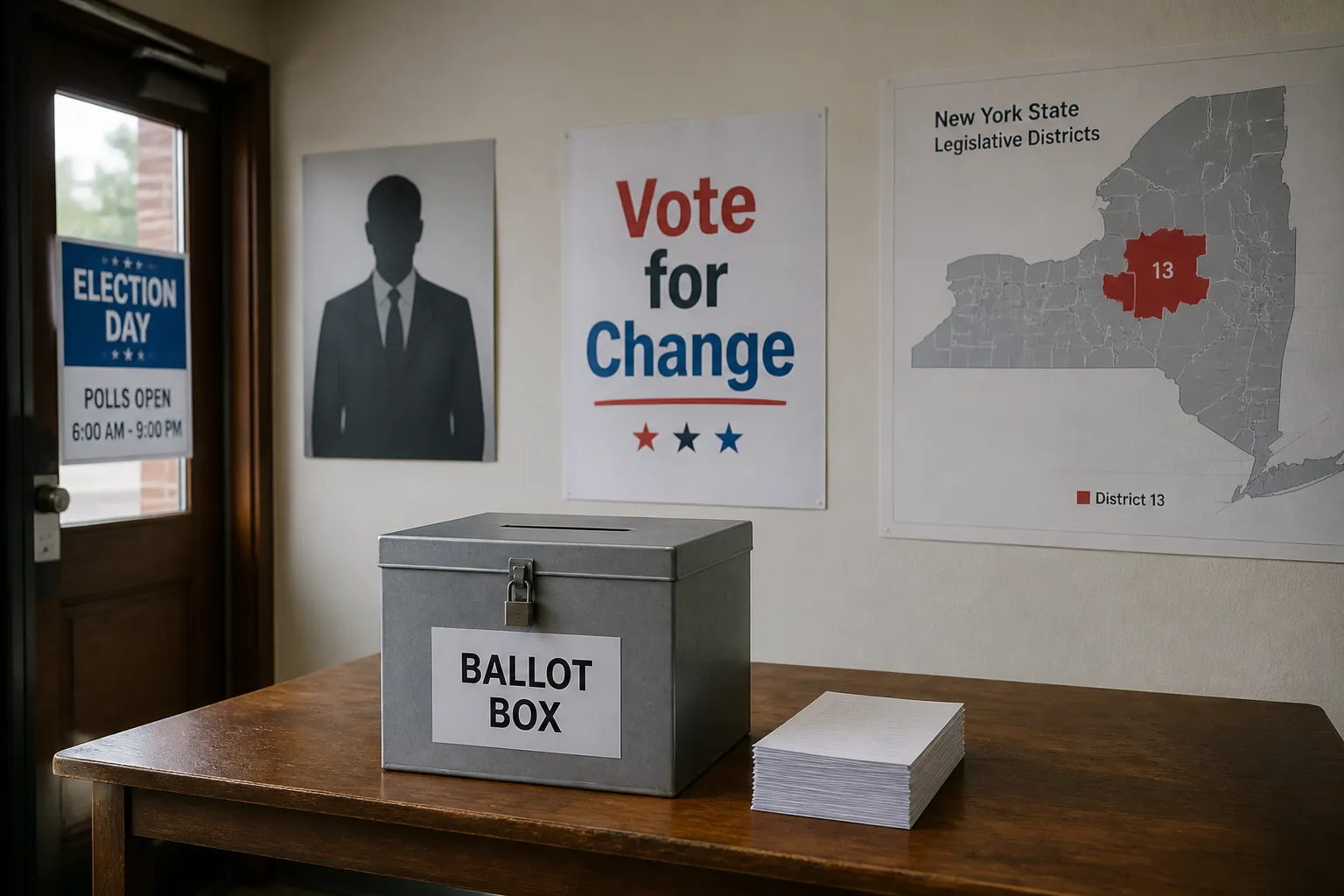
The contest pits two very different political figures against one another. Espaillat, the district’s first Dominican‑American member of Congress, has served since 2017 and carries the weight of long‑term incumbency. Chevalier, a 32‑year‑old doctoral candidate at City University of New York, has spent her career organizing in Harlem, a neighborhood that sits at the heart of the district. The 13th district, encompassing Harlem, East Harlem, Washington Heights, Inwood, and portions of the Bronx, is a solid Democratic stronghold with a Cook Partisan Voting Index of D+32.
Endorsements and campaign strategies are already splitting the field. Mayor Zohran Mamdani, a DSA member, has shifted his support from Espaillat to Chevalier, breaking with his prior backing of the incumbent. The NBEAF super‑PAC, meanwhile, has pledged at least $750,000 to educate black voters on Espaillat’s record and is running a digital ad that brands Espaillat a “real Democrat” while labeling the DSA’s positions “extremists” who wish to “gentrify your neighborhood.” House Democratic Minority Leader Hakeem Jeffries and Congressional Black Caucus chair Rep. Yvette Clarke have also publicly endorsed Espaillat.
In the policy arena, the poll’s memo points to a clear alignment among primary voters with traditional public‑safety and educational‑opportunity priorities. Darius Jones, NBEAF senior advisor, framed Espaillat’s campaign as a defense against “outside forces that want to take advantage of our communities.” Chevalier’s campaign, meanwhile, has faced criticism over statements about Israel and police, yet the poll shows she remains behind Espaillat.
With 38 percent of voters undecided, the race remains in the balance. Early‑voting turnout, which began on Saturday, and the effectiveness of outreach to black, Latino, and white voters will be decisive. The NBEAF’s planned spending and the DSA’s backing of Chevalier could tip the scales. The June 23 primary will determine whether Espaillat retains his seat or whether a younger, DSA‑backed challenger unseats him. While the poll indicates a tight contest, the final outcome will hinge on turnout and the messaging strategies of both campaigns.
The numbers are more than a headline; they reveal a complex picture of voter preferences. Chevalier’s 35 percent support among white voters outpaces Espaillat’s 25 percent, while Espaillat maintains a lead among black voters (36 percent to 21 percent) and Latino voters (42 percent to 30 percent). Yet a sizeable 38 percent of respondents remain undecided, underscoring the race’s volatility. The poll also highlighted that 72 percent of respondents favor school choice and charter schools, and almost as many oppose defunding the police—signals that public‑safety and educational issues dominate the primary electorate.
The contest pits two very different political figures against one another. Espaillat, the district’s first Dominican‑American member of Congress, has served since 2017 and carries the weight of long‑term incumbency. Chevalier, a 32‑year‑old doctoral candidate at City University of New York, has spent her career organizing in Harlem, a neighborhood that sits at the heart of the district. The 13th district, encompassing Harlem, East Harlem, Washington Heights, Inwood, and portions of the Bronx, is a solid Democratic stronghold with a Cook Partisan Voting Index of D+32.
Endorsements and campaign strategies are already splitting the field. Mayor Zohran Mamdani, a DSA member, has shifted his support from Espaillat to Chevalier, breaking with his prior backing of the incumbent. The NBEAF super‑PAC, meanwhile, has pledged at least $750,000 to educate black voters on Espaillat’s record and is running a digital ad that brands Espaillat a “real Democrat” while labeling the DSA’s positions “extremists” who wish to “gentrify your neighborhood.” House Democratic Minority Leader Hakeem Jeffries and Congressional Black Caucus chair Rep. Yvette Clarke have also publicly endorsed Espaillat.
In the policy arena, the poll’s memo points to a clear alignment among primary voters with traditional public‑safety and educational‑opportunity priorities. Darius Jones, NBEAF senior advisor, framed Espaillat’s campaign as a defense against “outside forces that want to take advantage of our communities.” Chevalier’s campaign, meanwhile, has faced criticism over statements about Israel and police, yet the poll shows she remains behind Espaillat.
With 38 percent of voters undecided, the race remains in the balance. Early‑voting turnout, which began on Saturday, and the effectiveness of outreach to black, Latino, and white voters will be decisive. The NBEAF’s planned spending and the DSA’s backing of Chevalier could tip the scales. The June 23 primary will determine whether Espaillat retains his seat or whether a younger, DSA‑backed challenger unseats him. While the poll indicates a tight contest, the final outcome will hinge on turnout and the messaging strategies of both campaigns.