Blab Politics
UFC Fighter Josh Hokit Sparks Controversy with Trans-Phobic Remark at White House Event
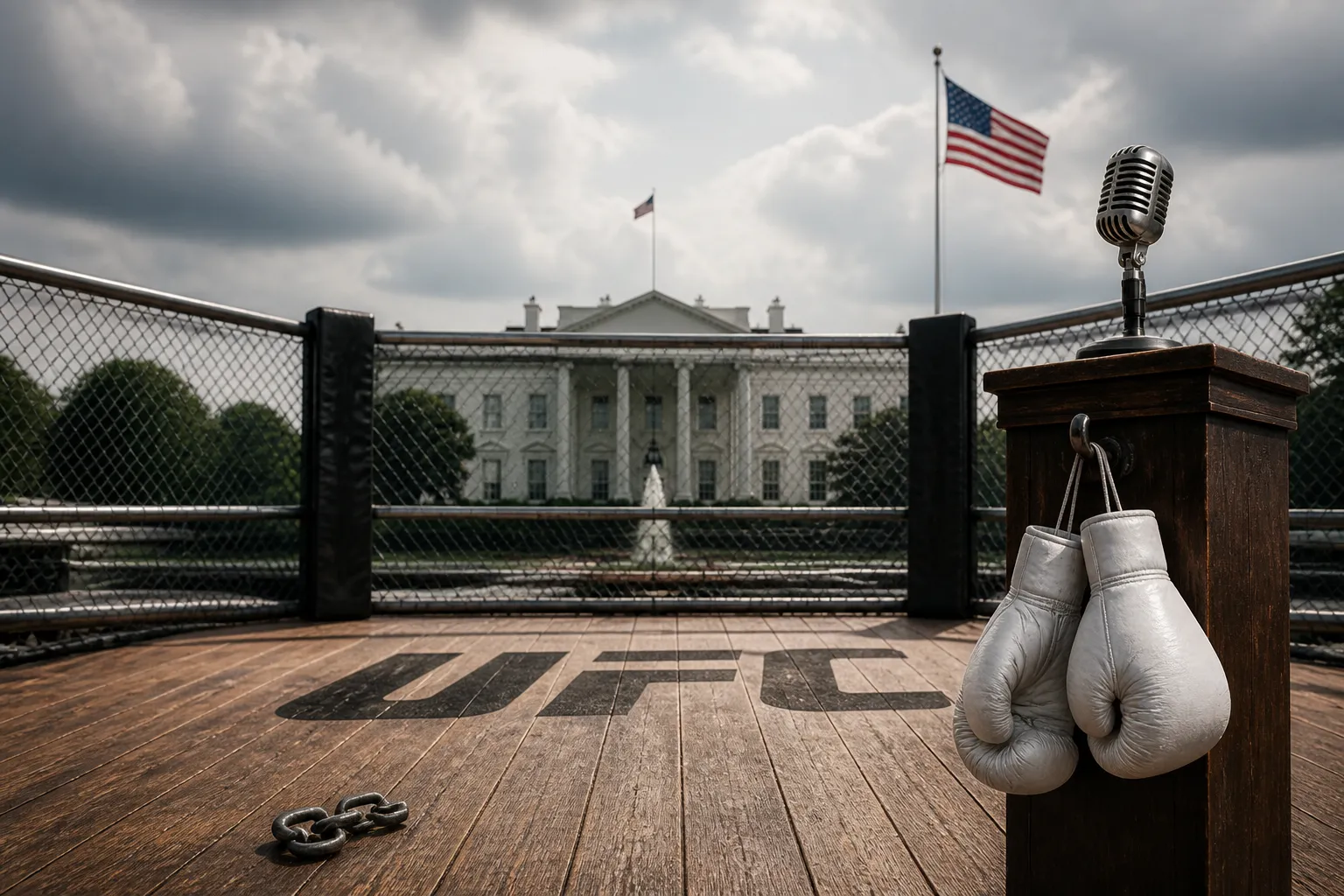
On June 14, 2026, the White House lawn became an unlikely stage for a bout that would spark national debate. UFC heavyweight Josh Hokit knocked out former world champion Derrick Lewis in the second round of UFC Freedom 250, a fight staged to honor the United States’ 250th anniversary. The win was a textbook display of Hokit's wrestling pedigree and his experience as a former San Francisco 49ers tight end.
Immediately after the bell, Hokit appeared on camera for a post‑fight interview with long‑time UFC color commentator Joe Rogan. In the brief exchange, the fighter said, “Michelle Obama is a man. Am I right, America?” The clip, recorded in front of a modest live audience that included White House staff, went viral within minutes. The crowd’s reaction was split: some shouted cheers, others booed loudly. Rogan, who has conducted in‑ring interviews for years, seemed surprised and simply introduced Hokit after the remark.
Within hours, UFC president and CEO Dana White issued a statement condemning the comment as “nasty and false.” White also announced that the organization would not discipline Hokit for the remark. The decision was reported by Time, USA Today, and Yahoo Sports, among other outlets.
Hokit's outburst is not the first time a UFC fighter has courted controversy. Critics argue that the sport’s model—treating competitors as independent contractors with limited liability—sometimes rewards provocative personas that resonate with niche fan bases. A sociologist who studies sports and politics has warned that this structure can foster a climate where inflammatory remarks are tolerated.
The statement also entered a broader national conversation about trans‑phobia and hate speech. Civil‑rights groups and supporters of former First Lady Michelle Obama swiftly condemned the comment. Social‑media users flooded the event’s footage with calls for disciplinary action and broader accountability within the UFC.
UFC Freedom 250 was part of the White House’s Freedom 250 celebration, a series of events the administration organized to mark the country’s 250th anniversary. The UFC’s participation was announced earlier in the year as a way to bring a high‑profile sporting event to the White House lawn. The fight was broadcast on UFC Fight Pass and ESPN, reaching a national audience.
At present, the UFC has not taken any disciplinary action against Hokit. Dana White’s statement that the organization would not discipline the fighter has been confirmed by the UFC’s public‑relations office. The incident remains a flashpoint for fans, civil‑rights advocates, and observers of the sport.
The implications are still unfolding. The UFC has faced scrutiny over its handling of fighters’ statements in the past, and the decision not to discipline Hokit may shape how it addresses future controversies. The White House’s involvement in the event has also raised questions about the appropriateness of hosting a sporting event that included a participant who made hateful remarks.
No policy changes regarding fighter conduct have been announced by the UFC. The incident has prompted internal discussions and fan debate about balancing free expression with the promotion of hateful or false statements. The next steps will likely involve monitoring the situation and determining whether additional measures are warranted.
Ultimately, the episode underscores the ongoing debate over the role of sports organizations in addressing hate speech and the responsibilities of public venues when hosting events that attract large audiences.
Immediately after the bell, Hokit appeared on camera for a post‑fight interview with long‑time UFC color commentator Joe Rogan. In the brief exchange, the fighter said, “Michelle Obama is a man. Am I right, America?” The clip, recorded in front of a modest live audience that included White House staff, went viral within minutes. The crowd’s reaction was split: some shouted cheers, others booed loudly. Rogan, who has conducted in‑ring interviews for years, seemed surprised and simply introduced Hokit after the remark.
Within hours, UFC president and CEO Dana White issued a statement condemning the comment as “nasty and false.” White also announced that the organization would not discipline Hokit for the remark. The decision was reported by Time, USA Today, and Yahoo Sports, among other outlets.
Hokit's outburst is not the first time a UFC fighter has courted controversy. Critics argue that the sport’s model—treating competitors as independent contractors with limited liability—sometimes rewards provocative personas that resonate with niche fan bases. A sociologist who studies sports and politics has warned that this structure can foster a climate where inflammatory remarks are tolerated.
The statement also entered a broader national conversation about trans‑phobia and hate speech. Civil‑rights groups and supporters of former First Lady Michelle Obama swiftly condemned the comment. Social‑media users flooded the event’s footage with calls for disciplinary action and broader accountability within the UFC.
UFC Freedom 250 was part of the White House’s Freedom 250 celebration, a series of events the administration organized to mark the country’s 250th anniversary. The UFC’s participation was announced earlier in the year as a way to bring a high‑profile sporting event to the White House lawn. The fight was broadcast on UFC Fight Pass and ESPN, reaching a national audience.
At present, the UFC has not taken any disciplinary action against Hokit. Dana White’s statement that the organization would not discipline the fighter has been confirmed by the UFC’s public‑relations office. The incident remains a flashpoint for fans, civil‑rights advocates, and observers of the sport.
The implications are still unfolding. The UFC has faced scrutiny over its handling of fighters’ statements in the past, and the decision not to discipline Hokit may shape how it addresses future controversies. The White House’s involvement in the event has also raised questions about the appropriateness of hosting a sporting event that included a participant who made hateful remarks.
No policy changes regarding fighter conduct have been announced by the UFC. The incident has prompted internal discussions and fan debate about balancing free expression with the promotion of hateful or false statements. The next steps will likely involve monitoring the situation and determining whether additional measures are warranted.
Ultimately, the episode underscores the ongoing debate over the role of sports organizations in addressing hate speech and the responsibilities of public venues when hosting events that attract large audiences.