Blab Politics
Cuba Approves 176-Measure Economic Package Amid Deepening Crisis
The National Assembly of Cuba approved a package of 176 economic measures on Thursday, marking the most extensive shift in the island’s economic model since the 1959 revolution. The reforms, announced in mid‑June and endorsed by the Communist Party leadership with former president Raúl Castro in attendance, allow private banks to operate, enable companies to import and export without state approval, permit free hiring of staff, and open the door to investment by Cubans living abroad.
The package also removes the state’s monopoly on foreign trade, permits foreign fast‑food chains to open on the island, and grants local governments and state‑owned enterprises the authority to manage their own imports, exports and foreign‑currency accounts. The reforms are intended to decentralize decision‑making and attract capital from the Cuban diaspora, which has historically been excluded from direct investment in the country.
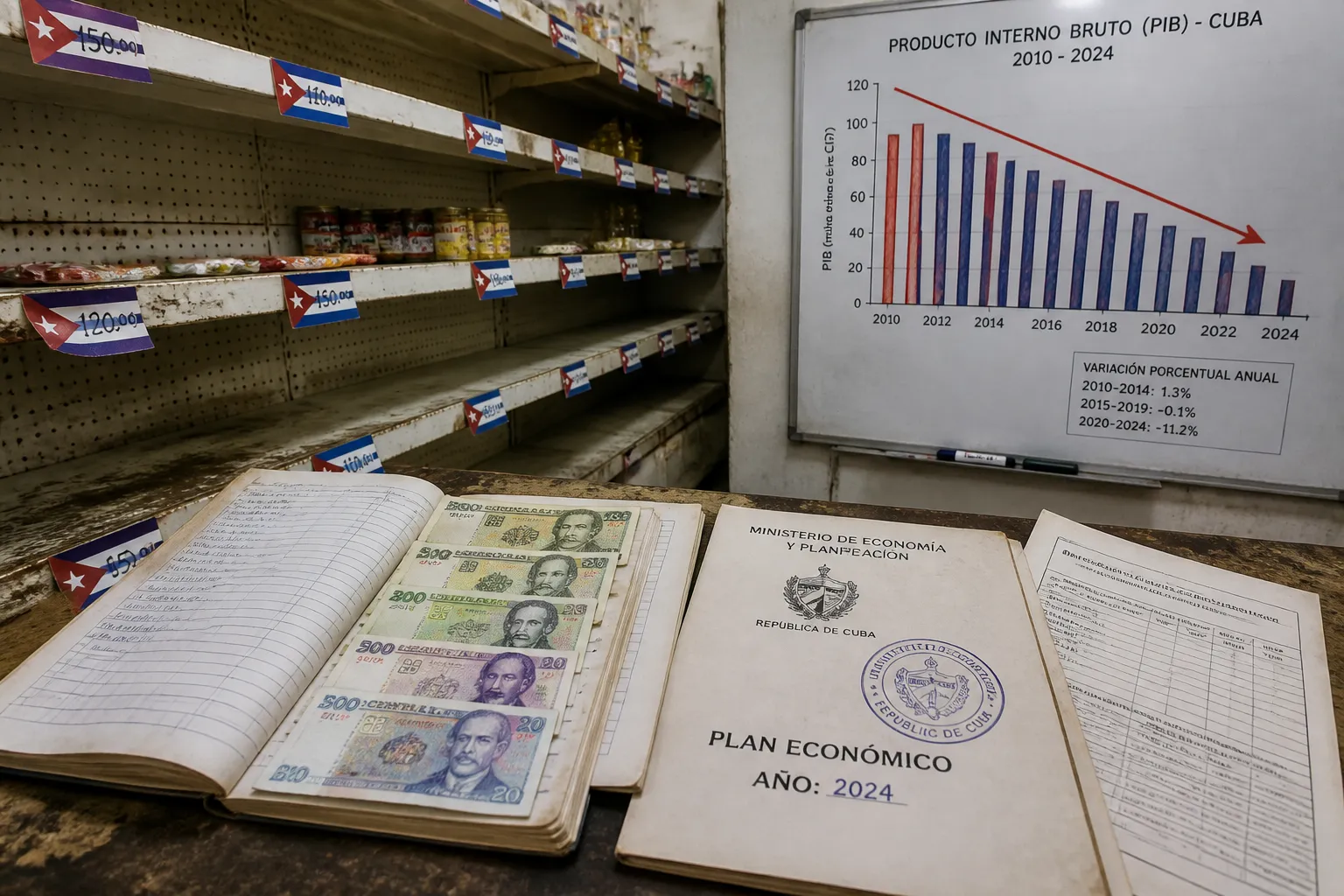
Cuba’s economy is in its worst crisis in decades. The 2026 Cuban crisis, driven by a U.S. fuel blockade and the loss of Venezuelan oil supplies, has left the island with chronic blackouts, fuel shortages and a projected GDP contraction of 6‑15 % for the year. The reforms arrive as the government seeks to mitigate the economic fallout and as diplomatic talks with Washington continue.
President Miguel Díaz‑Canel said the reforms were inspired by China and Vietnam, two communist states that have combined state control with market‑oriented reforms. According to reports, Díaz‑Canel emphasized that the changes are purely economic and do not represent a shift in Cuba’s political system.
Independent economists have responded cautiously. One Cuban economist described the package as a case of “belated pragmatism” that arrives only after years of avoidable decline. Analysts note that many of the measures may have limited effect while U.S. sanctions remain in place. Foreign investors who engage with Cuba risk penalties under U.S. extraterritorial enforcement, which could blunt the appeal of the new openings.
The reforms also face internal challenges. Past reform attempts, such as the 2021 currency overhaul, led to inflation and eroded public confidence in the government’s promises. The new package therefore requires detailed rules and a clear implementation framework, none of which have yet been published.
The National Assembly’s approval is a statement of intent under duress. The Cuban government has indicated that the reforms will be rolled out gradually, with the first steps expected to involve the establishment of a legal framework for private banking and the creation of a regulatory body to oversee foreign investment.
The package’s impact will depend on several factors. First, the extent to which U.S. sanctions can be circumvented or relaxed will determine whether foreign capital can flow into the island. Second, the government’s ability to enforce the new rules and prevent corruption will influence investor confidence. Finally, the broader political context, including the status of diplomatic negotiations with Washington, will shape the reforms’ long‑term viability.
As of now, the Cuban government has not released a detailed timetable for implementation. The next steps will likely involve drafting legislation to operationalize the reforms, establishing regulatory bodies, and engaging with diaspora investors to explain the new legal environment. The reforms remain a significant policy shift, but their effectiveness will hinge on both domestic governance and the international political climate.
In summary, Cuba’s National Assembly has approved a sweeping set of economic measures aimed at opening the island’s economy to private banks, freer trade, and diaspora investment. The reforms come amid a severe economic crisis and ongoing U.S. sanctions, raising doubts about their immediate impact. The government’s next actions will determine whether the package translates into tangible economic relief or remains largely symbolic.
The package also removes the state’s monopoly on foreign trade, permits foreign fast‑food chains to open on the island, and grants local governments and state‑owned enterprises the authority to manage their own imports, exports and foreign‑currency accounts. The reforms are intended to decentralize decision‑making and attract capital from the Cuban diaspora, which has historically been excluded from direct investment in the country.
Cuba’s economy is in its worst crisis in decades. The 2026 Cuban crisis, driven by a U.S. fuel blockade and the loss of Venezuelan oil supplies, has left the island with chronic blackouts, fuel shortages and a projected GDP contraction of 6‑15 % for the year. The reforms arrive as the government seeks to mitigate the economic fallout and as diplomatic talks with Washington continue.
President Miguel Díaz‑Canel said the reforms were inspired by China and Vietnam, two communist states that have combined state control with market‑oriented reforms. According to reports, Díaz‑Canel emphasized that the changes are purely economic and do not represent a shift in Cuba’s political system.
Independent economists have responded cautiously. One Cuban economist described the package as a case of “belated pragmatism” that arrives only after years of avoidable decline. Analysts note that many of the measures may have limited effect while U.S. sanctions remain in place. Foreign investors who engage with Cuba risk penalties under U.S. extraterritorial enforcement, which could blunt the appeal of the new openings.
The reforms also face internal challenges. Past reform attempts, such as the 2021 currency overhaul, led to inflation and eroded public confidence in the government’s promises. The new package therefore requires detailed rules and a clear implementation framework, none of which have yet been published.
The National Assembly’s approval is a statement of intent under duress. The Cuban government has indicated that the reforms will be rolled out gradually, with the first steps expected to involve the establishment of a legal framework for private banking and the creation of a regulatory body to oversee foreign investment.
The package’s impact will depend on several factors. First, the extent to which U.S. sanctions can be circumvented or relaxed will determine whether foreign capital can flow into the island. Second, the government’s ability to enforce the new rules and prevent corruption will influence investor confidence. Finally, the broader political context, including the status of diplomatic negotiations with Washington, will shape the reforms’ long‑term viability.
As of now, the Cuban government has not released a detailed timetable for implementation. The next steps will likely involve drafting legislation to operationalize the reforms, establishing regulatory bodies, and engaging with diaspora investors to explain the new legal environment. The reforms remain a significant policy shift, but their effectiveness will hinge on both domestic governance and the international political climate.
In summary, Cuba’s National Assembly has approved a sweeping set of economic measures aimed at opening the island’s economy to private banks, freer trade, and diaspora investment. The reforms come amid a severe economic crisis and ongoing U.S. sanctions, raising doubts about their immediate impact. The government’s next actions will determine whether the package translates into tangible economic relief or remains largely symbolic.