Blab Politics
Elon Musk Becomes First Trillionaire as SpaceX IPO Fuels Political Influence
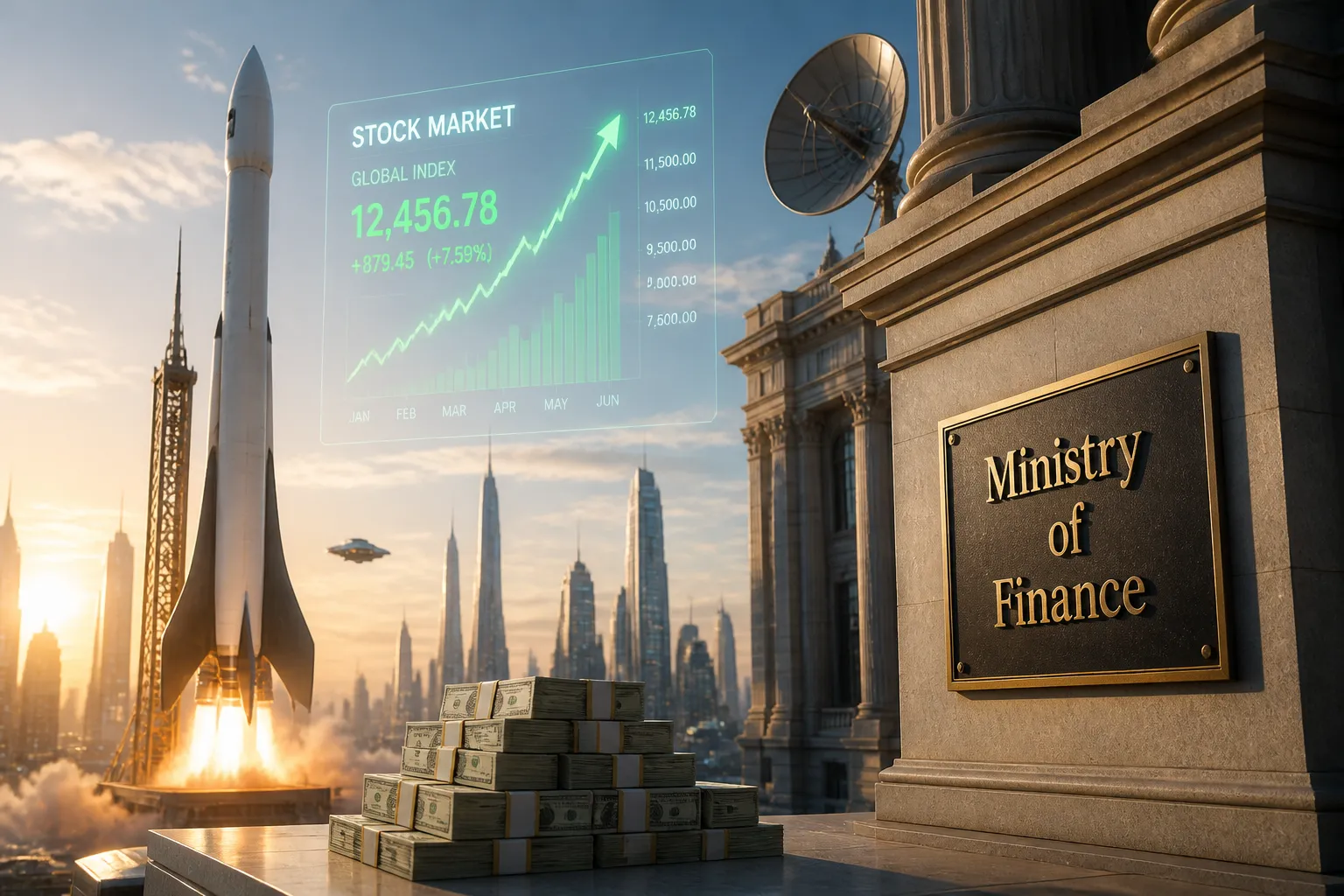
Elon Musk reached a net worth that surpassed one trillion U.S. dollars after SpaceX’s public offering on June 12, 2026. The rocket‑launch company’s debut raised $86 billion, pushing Musk’s stake in the firm above the trillion‑dollar threshold. According to Forbes, his net worth is now estimated at $1.2 trillion, more than four times the wealth of Alphabet co‑founder Larry Page.
The milestone highlights the extreme concentration of wealth in the United States and globally. The richest 1 percent of the world’s population control roughly 40 percent of global wealth, a ratio that is mirrored in the U.S. economy. Twelve of the world’s richest individuals hold more wealth than half of the world’s people combined. The sheer scale of Musk’s fortune—more than the amount of money that could be spent in many lifetimes—underscores the power that a single individual can wield.
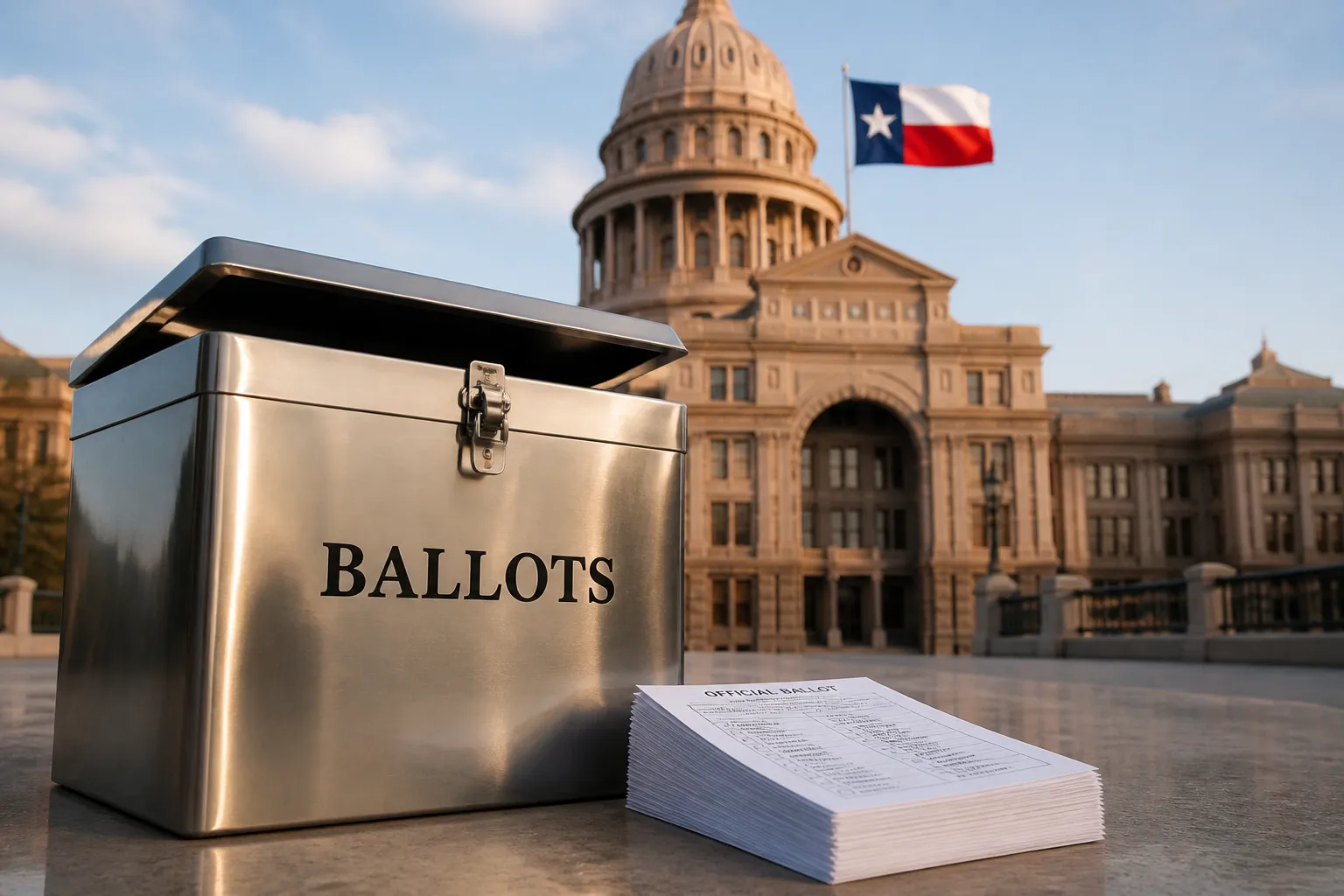
Musk’s political influence has been evident for years. OpenSecrets reports that he donated almost $300 million to Republican candidates, political action committees, and right‑wing organizations during the 2024 election cycle. Federal filings show that he gave $132 million to Donald Trump and conservative congressional races, and that his America PAC received $270 million in 2024, making him the largest donor in the presidential election.
The social‑media platform he acquired in 2022, now called X, has also been a conduit for his political agenda. According to investigative reports, X’s content moderation policies have shifted to favor right‑wing voices and reduce exposure to pro‑democracy viewpoints. The platform’s increased engagement with fringe and extremist content has raised concerns about the spread of misinformation and hate speech.
Public opinion reflects growing unease about the influence of the ultra‑wealthy. A PRRI survey found that almost 50 percent of Americans believe the American Dream is no longer attainable. A Rand Corporation study of the last four decades shows that the very rich have benefited disproportionately from economic growth, while a more equitable distribution of income could have raised the median U.S. salary from $50 000 to $92 000 in 2018.
These dynamics have prompted calls for greater accountability. The U.S. has seen regulatory actions against X, including a raid by French authorities and fines for failing to remove harmful content under the Digital Services Act and Australia’s Online Safety Act.
Musk’s role in government also illustrates the intersection of wealth and policy. After Trump’s inauguration in January 2025, Musk served as a senior advisor to the president and headed the Department of Government Efficiency. He left the administration in May 2025 and has since been involved in public disputes with former allies.
The convergence of Musk’s unprecedented wealth, his extensive political donations, and his control of a major social‑media platform raises questions about the limits of influence in a democratic society. While no legal action has been taken against him for his political activities, the concentration of power and the public’s perception of inequality continue to shape the national conversation.
At present, Musk’s net worth remains above one trillion dollars, and his political and media influence is ongoing. The next steps for regulators and policymakers will likely involve scrutiny of X’s content policies and the broader implications of wealth concentration for democratic governance.
The milestone highlights the extreme concentration of wealth in the United States and globally. The richest 1 percent of the world’s population control roughly 40 percent of global wealth, a ratio that is mirrored in the U.S. economy. Twelve of the world’s richest individuals hold more wealth than half of the world’s people combined. The sheer scale of Musk’s fortune—more than the amount of money that could be spent in many lifetimes—underscores the power that a single individual can wield.
Musk’s political influence has been evident for years. OpenSecrets reports that he donated almost $300 million to Republican candidates, political action committees, and right‑wing organizations during the 2024 election cycle. Federal filings show that he gave $132 million to Donald Trump and conservative congressional races, and that his America PAC received $270 million in 2024, making him the largest donor in the presidential election.
The social‑media platform he acquired in 2022, now called X, has also been a conduit for his political agenda. According to investigative reports, X’s content moderation policies have shifted to favor right‑wing voices and reduce exposure to pro‑democracy viewpoints. The platform’s increased engagement with fringe and extremist content has raised concerns about the spread of misinformation and hate speech.
Public opinion reflects growing unease about the influence of the ultra‑wealthy. A PRRI survey found that almost 50 percent of Americans believe the American Dream is no longer attainable. A Rand Corporation study of the last four decades shows that the very rich have benefited disproportionately from economic growth, while a more equitable distribution of income could have raised the median U.S. salary from $50 000 to $92 000 in 2018.
These dynamics have prompted calls for greater accountability. The U.S. has seen regulatory actions against X, including a raid by French authorities and fines for failing to remove harmful content under the Digital Services Act and Australia’s Online Safety Act.
Musk’s role in government also illustrates the intersection of wealth and policy. After Trump’s inauguration in January 2025, Musk served as a senior advisor to the president and headed the Department of Government Efficiency. He left the administration in May 2025 and has since been involved in public disputes with former allies.
The convergence of Musk’s unprecedented wealth, his extensive political donations, and his control of a major social‑media platform raises questions about the limits of influence in a democratic society. While no legal action has been taken against him for his political activities, the concentration of power and the public’s perception of inequality continue to shape the national conversation.
At present, Musk’s net worth remains above one trillion dollars, and his political and media influence is ongoing. The next steps for regulators and policymakers will likely involve scrutiny of X’s content policies and the broader implications of wealth concentration for democratic governance.