Blab Politics
Essence Festival 2026 Highlights Black Voting Rights Amid Louisiana Redistricting
The Essence Festival of Culture is set to light up New Orleans from July 3‑5, drawing crowds to the Ernest N. Morial Convention Center for a three‑day celebration that blends music, history, and activism. The festival, billed as the country’s largest African‑American culture and music event, will feature free panels on the sidelines and ticketed concerts at the Superdome, including a highly anticipated opening‑night appearance by former First Lady Michelle Obama.
Behind the glittering stages, the Global Black Economic Forum (GBEF) is positioning itself as the political engine of the weekend. GBEF President and CEO Alphonso David has announced a series of panels that will confront Black political disenfranchisement in the wake of the U.S. Supreme Court’s June 2026 ruling in Louisiana v. Callais. The decision struck down key Voting Rights Act safeguards, tightened the standard for proving vote‑dilution, and opened the door for partisan gerrymanders to go unchecked.
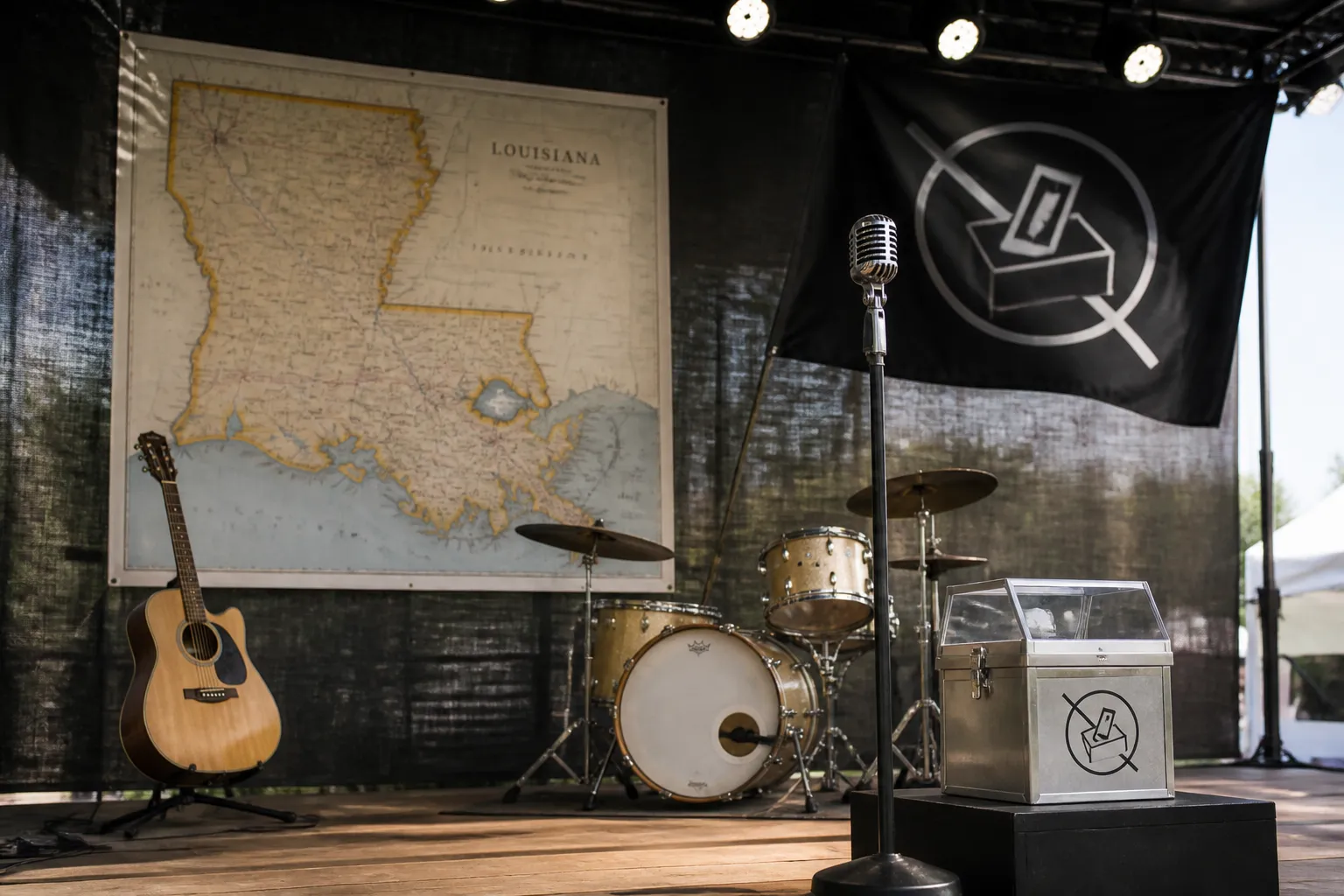
The impact of that ruling is already visible in Louisiana’s congressional map. Legislators, following the Court’s directive, have redrawn districts, eliminating one of the state’s two majority‑minority seats. GBEF’s programming will dissect how the new map curtails Black representation and will outline tactics for navigating the post‑Callais landscape. Speakers slated to speak include state Senator Royce Duplessis of New Orleans, Senate President Pro Tempore Regina Barrow of Baton Rouge, and ACLU Louisiana President Alanah Odoms.
A dedicated voter‑registration station will occupy the Convention Center’s Great Hall, a move that signals GBEF’s intent to leave a lasting imprint beyond the festival’s closing night. The organization’s statement stresses that the political programming is designed to spark concrete action in the weeks that follow.
Economically, the festival is a powerhouse. A 2025 study estimated a $321 million impact on the local economy and $46 million in tax revenue. Essence is in the final year of its contract with the city of New Orleans, and negotiations for a new agreement are underway. While some local groups have urged the festival to relocate to a state with stronger minority‑voting protections, GBEF officials counter that keeping the event in Louisiana highlights the urgency of addressing the state’s recent redistricting.
Adding a business dimension, GBEF’s annual invite‑only Business Summit will close with a discussion on the intersection of economic and political power amid redistricting. U.S. Senator Cory Booker of New Jersey is scheduled to speak, bringing a national perspective to the conversation.
Health and workforce issues also take center stage. Chief Operating Officer Aaliyah Haqq announced that the forum has expanded its health agenda to address the Trump administration’s Medicaid work‑requirements and a proposed 12.5 % cut to the Department of Health and Human Services. Local partners LCMC Health and JOB1 will offer health screenings and a job fair during the festival.
The event’s cultural calendar is equally robust. A panel featuring Black journalists will dissect the evolving media landscape, while live recordings of The Joy Reid Show and the Native Land podcast will add a multimedia flavor. Leadership coaching sessions from GBEF’s Academy for Advancing Excellence will equip attendees with skills to translate celebration into action.
Together, these elements form a deliberate strategy: use a high‑profile cultural event as a springboard for civic engagement, merging celebration with policy debate, voter registration, and workforce development.
As July approaches, the city’s contract negotiations and the political ramifications of Louisiana’s new congressional map remain unresolved. The outcome of the talks could determine the festival’s future location, while the Supreme Court’s decision continues to shape the legal environment for minority voting rights across the South.
In that context, the Essence Festival will serve dual purposes—celebrating Black culture while providing a forum to confront the legal and political challenges that shape Black communities in Louisiana and beyond.
Behind the glittering stages, the Global Black Economic Forum (GBEF) is positioning itself as the political engine of the weekend. GBEF President and CEO Alphonso David has announced a series of panels that will confront Black political disenfranchisement in the wake of the U.S. Supreme Court’s June 2026 ruling in Louisiana v. Callais. The decision struck down key Voting Rights Act safeguards, tightened the standard for proving vote‑dilution, and opened the door for partisan gerrymanders to go unchecked.
The impact of that ruling is already visible in Louisiana’s congressional map. Legislators, following the Court’s directive, have redrawn districts, eliminating one of the state’s two majority‑minority seats. GBEF’s programming will dissect how the new map curtails Black representation and will outline tactics for navigating the post‑Callais landscape. Speakers slated to speak include state Senator Royce Duplessis of New Orleans, Senate President Pro Tempore Regina Barrow of Baton Rouge, and ACLU Louisiana President Alanah Odoms.
A dedicated voter‑registration station will occupy the Convention Center’s Great Hall, a move that signals GBEF’s intent to leave a lasting imprint beyond the festival’s closing night. The organization’s statement stresses that the political programming is designed to spark concrete action in the weeks that follow.
Economically, the festival is a powerhouse. A 2025 study estimated a $321 million impact on the local economy and $46 million in tax revenue. Essence is in the final year of its contract with the city of New Orleans, and negotiations for a new agreement are underway. While some local groups have urged the festival to relocate to a state with stronger minority‑voting protections, GBEF officials counter that keeping the event in Louisiana highlights the urgency of addressing the state’s recent redistricting.
Adding a business dimension, GBEF’s annual invite‑only Business Summit will close with a discussion on the intersection of economic and political power amid redistricting. U.S. Senator Cory Booker of New Jersey is scheduled to speak, bringing a national perspective to the conversation.
Health and workforce issues also take center stage. Chief Operating Officer Aaliyah Haqq announced that the forum has expanded its health agenda to address the Trump administration’s Medicaid work‑requirements and a proposed 12.5 % cut to the Department of Health and Human Services. Local partners LCMC Health and JOB1 will offer health screenings and a job fair during the festival.
The event’s cultural calendar is equally robust. A panel featuring Black journalists will dissect the evolving media landscape, while live recordings of The Joy Reid Show and the Native Land podcast will add a multimedia flavor. Leadership coaching sessions from GBEF’s Academy for Advancing Excellence will equip attendees with skills to translate celebration into action.
Together, these elements form a deliberate strategy: use a high‑profile cultural event as a springboard for civic engagement, merging celebration with policy debate, voter registration, and workforce development.
As July approaches, the city’s contract negotiations and the political ramifications of Louisiana’s new congressional map remain unresolved. The outcome of the talks could determine the festival’s future location, while the Supreme Court’s decision continues to shape the legal environment for minority voting rights across the South.
In that context, the Essence Festival will serve dual purposes—celebrating Black culture while providing a forum to confront the legal and political challenges that shape Black communities in Louisiana and beyond.