Blab Politics
Poland Revokes Zelenskys Highest Honor Amid Historical Tensions
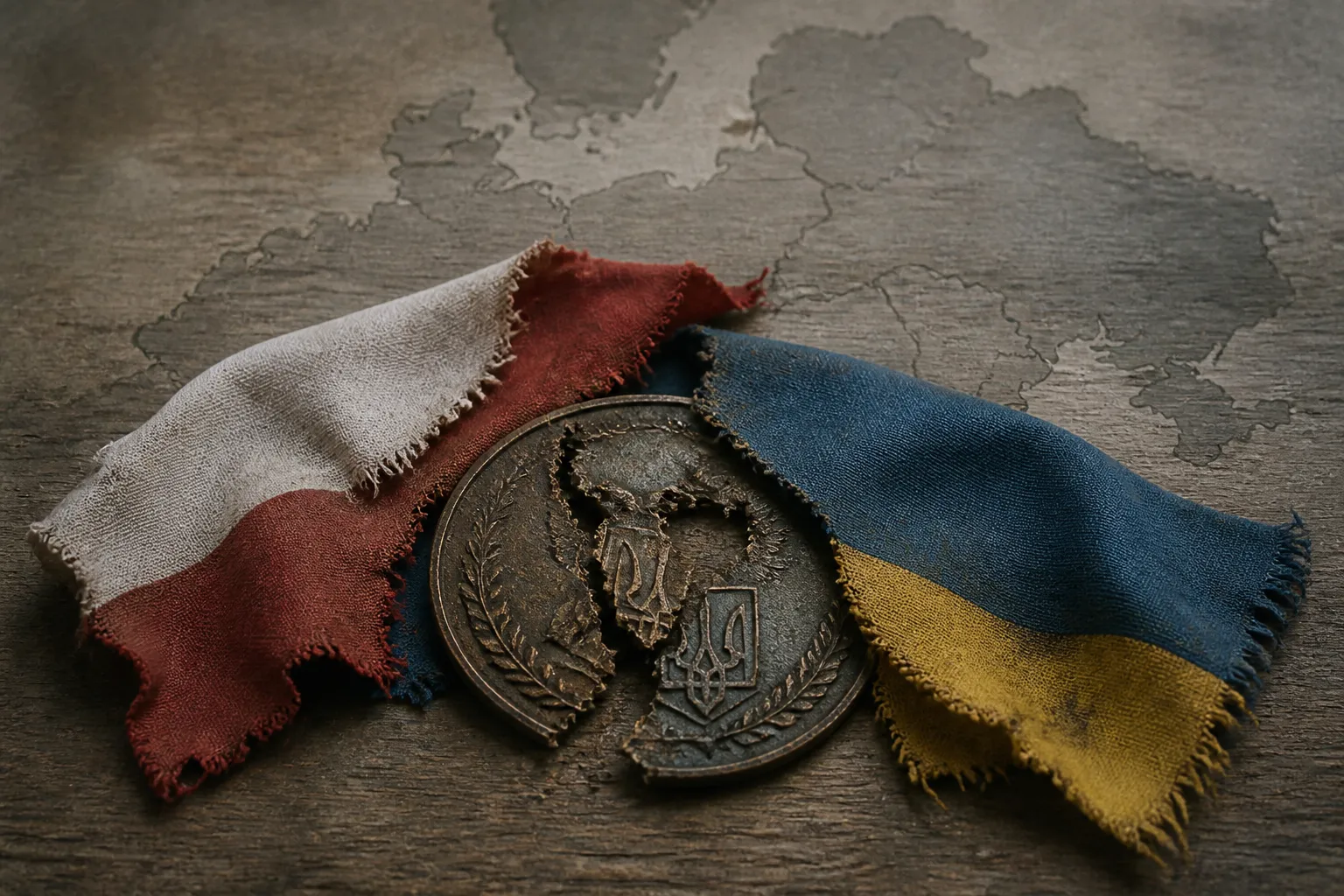
Polish President Karol Nawrocki revoked Ukrainian President Volodymyr Zelensky’s Order of the White Eagle on 19 June 2026, following Zelensky’s decision to name a Ukrainian military unit after the Ukrainian Insurgent Army (UPA). The revocation came after the Separate Special Operations Center “North” was renamed to honor UPA heroes, a move that sparked outrage in Warsaw.
The Order of the White Eagle is Poland’s most prestigious decoration. It has been awarded to foreign heads of state for distinguished service, and its revocation is rare. According to Wikipedia, the revocation was announced by President Nawrocki after Zelensky’s naming decision. Ukrainian officials, including the ambassador to Poland and three former presidents—Leonid Kuchma, Viktor Yushchenko and Petro Poroshenko—returned their Polish decorations in protest.
The dispute is rooted in a long‑standing historical memory that dates back to World War II. The UPA, a nationalist partisan movement, was responsible for the Volhynia massacres, in which up to 100 000 Polish civilians were killed between 1943 and 1945. Polish historians and officials have repeatedly described the UPA’s actions as genocide or ethnic cleansing. Ukraine, however, views the UPA as a resistance group that fought for independence.
Poland’s support for Ukraine has been substantial since the 2022 Russian invasion. The country has provided military aid, hosted millions of refugees, and invested heavily in defense systems such as the Patriot batteries under the Vistula program. Yet public sentiment has shifted. A 2025 survey by the Polish Institute of International Affairs found that a majority of Poles felt the country was bearing an unequal burden, citing the cost of refugee housing and the perception that Ukraine’s aid to Poland was limited.
Political leaders in Warsaw have expressed divergent views. Law and Justice, the conservative party that controls the presidency, has taken a hard line on the UPA issue, while Prime Minister Donald Tusk, who leads a coalition that favors closer ties with the European Union, has urged caution and diplomatic engagement. Tusk has warned that Poland’s investment in Ukraine could be jeopardized if the relationship deteriorates.
The revocation may have implications for Ukraine’s European aspirations. According to the Polish Ministry of Foreign Affairs, the decision signals that Poland is re‑examining its role as a rear base for Ukrainian operations. While the United States and NATO allies have not yet responded, the incident could influence future discussions about Ukraine’s path toward EU membership.
The incident also highlights the broader debate over historical memory in Eastern Europe. Polish officials have repeatedly called for a reassessment of the UPA’s legacy, while Ukrainian politicians argue that the movement’s role in the war against Soviet occupation should be recognized. The revocation has therefore become a flashpoint for national narratives that have long shaped Polish‑Ukrainian relations.
At present, the Polish government has not announced any further diplomatic measures. The Ukrainian embassy in Warsaw has issued a statement condemning the revocation, and Zelensky has called for a “dialogue on historical memory.” The situation remains fluid, with both sides likely to seek a resolution that balances historical grievances with contemporary security cooperation.
In summary, Poland’s revocation of Zelensky’s Order of the White Eagle reflects a convergence of historical memory, public sentiment, and geopolitical strategy. The move underscores the fragility of the alliance that has been forged in the face of Russian aggression and signals that the partnership may be subject to deeper domestic and international pressures.
The Order of the White Eagle is Poland’s most prestigious decoration. It has been awarded to foreign heads of state for distinguished service, and its revocation is rare. According to Wikipedia, the revocation was announced by President Nawrocki after Zelensky’s naming decision. Ukrainian officials, including the ambassador to Poland and three former presidents—Leonid Kuchma, Viktor Yushchenko and Petro Poroshenko—returned their Polish decorations in protest.
The dispute is rooted in a long‑standing historical memory that dates back to World War II. The UPA, a nationalist partisan movement, was responsible for the Volhynia massacres, in which up to 100 000 Polish civilians were killed between 1943 and 1945. Polish historians and officials have repeatedly described the UPA’s actions as genocide or ethnic cleansing. Ukraine, however, views the UPA as a resistance group that fought for independence.
Poland’s support for Ukraine has been substantial since the 2022 Russian invasion. The country has provided military aid, hosted millions of refugees, and invested heavily in defense systems such as the Patriot batteries under the Vistula program. Yet public sentiment has shifted. A 2025 survey by the Polish Institute of International Affairs found that a majority of Poles felt the country was bearing an unequal burden, citing the cost of refugee housing and the perception that Ukraine’s aid to Poland was limited.
Political leaders in Warsaw have expressed divergent views. Law and Justice, the conservative party that controls the presidency, has taken a hard line on the UPA issue, while Prime Minister Donald Tusk, who leads a coalition that favors closer ties with the European Union, has urged caution and diplomatic engagement. Tusk has warned that Poland’s investment in Ukraine could be jeopardized if the relationship deteriorates.
The revocation may have implications for Ukraine’s European aspirations. According to the Polish Ministry of Foreign Affairs, the decision signals that Poland is re‑examining its role as a rear base for Ukrainian operations. While the United States and NATO allies have not yet responded, the incident could influence future discussions about Ukraine’s path toward EU membership.
The incident also highlights the broader debate over historical memory in Eastern Europe. Polish officials have repeatedly called for a reassessment of the UPA’s legacy, while Ukrainian politicians argue that the movement’s role in the war against Soviet occupation should be recognized. The revocation has therefore become a flashpoint for national narratives that have long shaped Polish‑Ukrainian relations.
At present, the Polish government has not announced any further diplomatic measures. The Ukrainian embassy in Warsaw has issued a statement condemning the revocation, and Zelensky has called for a “dialogue on historical memory.” The situation remains fluid, with both sides likely to seek a resolution that balances historical grievances with contemporary security cooperation.
In summary, Poland’s revocation of Zelensky’s Order of the White Eagle reflects a convergence of historical memory, public sentiment, and geopolitical strategy. The move underscores the fragility of the alliance that has been forged in the face of Russian aggression and signals that the partnership may be subject to deeper domestic and international pressures.







