Blab Politics
Fed Chair Warsh Reaffirms Independence, Signals Focus on Inflation Ahead of Trump-Requested Rate Cuts
In Sintra, Portugal, the world’s most powerful central banker stood before a packed conference and made a clear statement: the Fed will not bend to political pressure.
Kevin Warsh, the 17th chair of the Federal Reserve, told the gathering on Wednesday that the institution will remain independent and will pursue price stability, even if that means rejecting President Donald Trump’s calls for lower interest rates.
"If businesses or households expect the Fed to tolerate inflation above the 2 % target, they will be disappointed," Warsh said. He underlined that the Fed’s mandate is to keep inflation near that level and that the central bank will not change its independent status.
The comments come just weeks after Warsh replaced Jerome Powell on May 22. In the months before his confirmation, Warsh had publicly advocated for lower rates, a stance that aligned with Trump’s policy preferences. Since taking office, he has shifted toward a focus on bringing inflation down.
During the panel, Warsh declined to provide specific policy steps, noting that he opposes “forward guidance” and will not issue a forecast. He said the Fed’s tactics, strategy, and future actions are still to be decided.
The Fed’s most recent policy meeting, held June 16‑17, saw a split among the 19 members. Nearly half signaled support for higher rates this year, eight favored no change, and one indicated a possible cut. Warsh did not submit a projection, citing his stance against guidance.
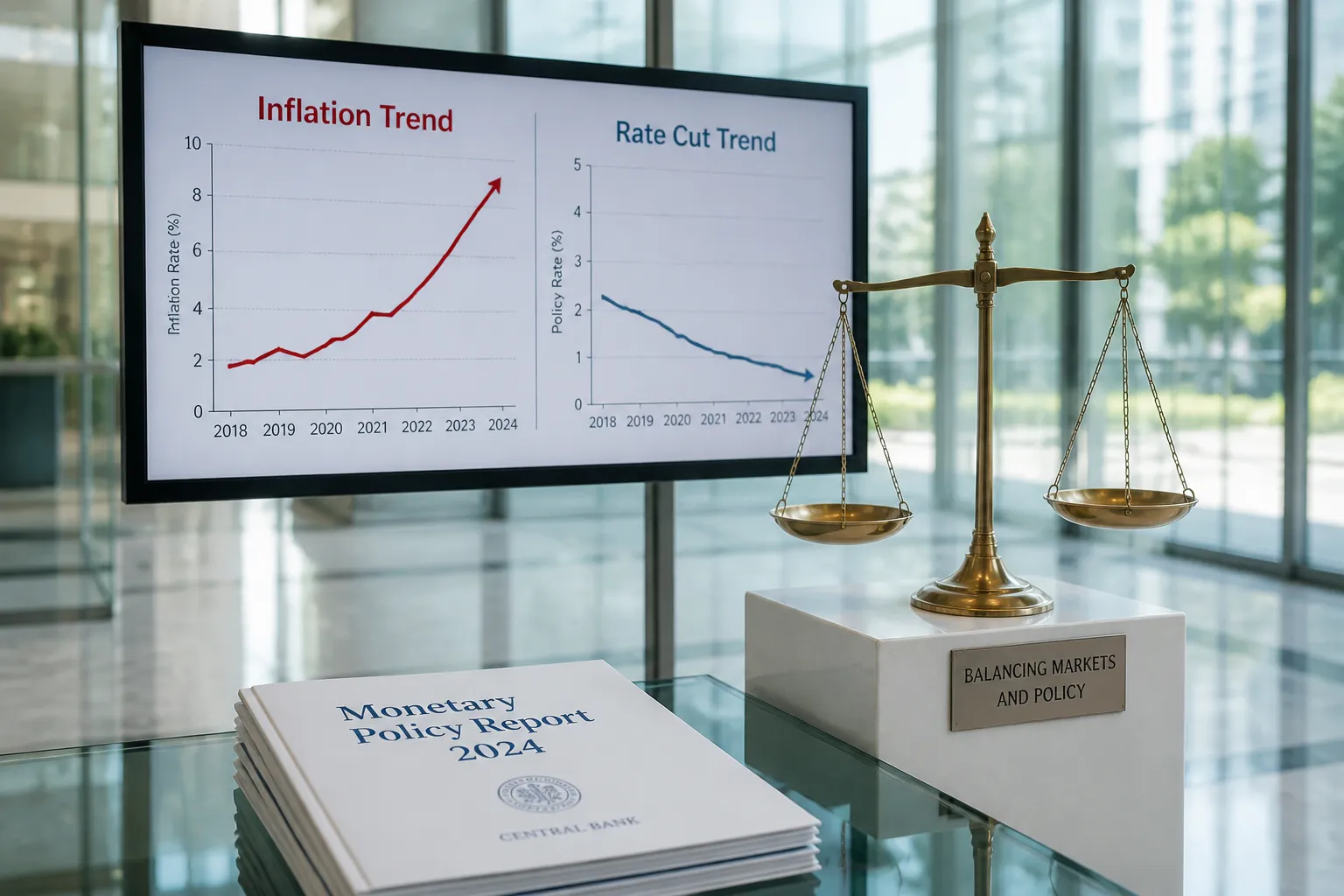
Inflation has risen to a three‑year high of 4.2 % in May, driven in part by higher gas prices linked to the Iran war. A peace agreement has since lowered fuel costs, suggesting that inflation may have peaked. Warsh said the Fed may wait to see how inflation settles if oil and gas prices return to pre‑war levels.
He also pointed to recent declines in inflation expectations measured by surveys and bond‑price yields. Those indicators have fallen over the past month, which he said signals a moderation in the threat of persistent inflation.
A key question for the Fed is whether it will raise rates in the next few meetings to signal its commitment to fighting inflation. If gas prices keep falling and inflation eases, Warsh may try to avoid tightening.
Hiring has improved in recent months, and economists expect the upcoming jobs report to show an unemployment rate of 4.3 %. A solid employment picture could reduce pressure on the Fed to lower borrowing costs.
Warsh also discussed the role of artificial intelligence. He said that, over time, AI could expand the economy’s productive capacity and reduce inflationary pressures. However, many economists note that the current surge in AI investment is pushing up prices for semiconductor and computing equipment, which can fuel short‑term inflation.
He declined to comment on whether AI spending is inflationary, but noted that the Fed has created five task forces to study a range of issues, including AI’s impact on productivity.
Warsh described the present era as both exciting and consequential for central bankers, adding that it is a time of significant change outside of a crisis.
In sum, Warsh’s remarks signal a clear commitment to the Fed’s inflation‑targeting mandate and an insistence on institutional independence. The central bank’s next moves will likely hinge on how inflation, fuel prices, and employment data evolve in the coming months.
The Fed’s policy path will be closely watched by markets and policymakers alike, especially as President Trump continues to press for lower rates. The next FOMC meeting will determine whether the Fed will adjust the federal‑funds rate or maintain the current stance.
The Federal Reserve’s actions remain a key factor in the U.S. economic outlook, and stakeholders will monitor the Fed’s upcoming decisions for signals on future monetary policy.
Kevin Warsh, the 17th chair of the Federal Reserve, told the gathering on Wednesday that the institution will remain independent and will pursue price stability, even if that means rejecting President Donald Trump’s calls for lower interest rates.
"If businesses or households expect the Fed to tolerate inflation above the 2 % target, they will be disappointed," Warsh said. He underlined that the Fed’s mandate is to keep inflation near that level and that the central bank will not change its independent status.
The comments come just weeks after Warsh replaced Jerome Powell on May 22. In the months before his confirmation, Warsh had publicly advocated for lower rates, a stance that aligned with Trump’s policy preferences. Since taking office, he has shifted toward a focus on bringing inflation down.
During the panel, Warsh declined to provide specific policy steps, noting that he opposes “forward guidance” and will not issue a forecast. He said the Fed’s tactics, strategy, and future actions are still to be decided.
The Fed’s most recent policy meeting, held June 16‑17, saw a split among the 19 members. Nearly half signaled support for higher rates this year, eight favored no change, and one indicated a possible cut. Warsh did not submit a projection, citing his stance against guidance.
Inflation has risen to a three‑year high of 4.2 % in May, driven in part by higher gas prices linked to the Iran war. A peace agreement has since lowered fuel costs, suggesting that inflation may have peaked. Warsh said the Fed may wait to see how inflation settles if oil and gas prices return to pre‑war levels.
He also pointed to recent declines in inflation expectations measured by surveys and bond‑price yields. Those indicators have fallen over the past month, which he said signals a moderation in the threat of persistent inflation.
A key question for the Fed is whether it will raise rates in the next few meetings to signal its commitment to fighting inflation. If gas prices keep falling and inflation eases, Warsh may try to avoid tightening.
Hiring has improved in recent months, and economists expect the upcoming jobs report to show an unemployment rate of 4.3 %. A solid employment picture could reduce pressure on the Fed to lower borrowing costs.
Warsh also discussed the role of artificial intelligence. He said that, over time, AI could expand the economy’s productive capacity and reduce inflationary pressures. However, many economists note that the current surge in AI investment is pushing up prices for semiconductor and computing equipment, which can fuel short‑term inflation.
He declined to comment on whether AI spending is inflationary, but noted that the Fed has created five task forces to study a range of issues, including AI’s impact on productivity.
Warsh described the present era as both exciting and consequential for central bankers, adding that it is a time of significant change outside of a crisis.
In sum, Warsh’s remarks signal a clear commitment to the Fed’s inflation‑targeting mandate and an insistence on institutional independence. The central bank’s next moves will likely hinge on how inflation, fuel prices, and employment data evolve in the coming months.
The Fed’s policy path will be closely watched by markets and policymakers alike, especially as President Trump continues to press for lower rates. The next FOMC meeting will determine whether the Fed will adjust the federal‑funds rate or maintain the current stance.
The Federal Reserve’s actions remain a key factor in the U.S. economic outlook, and stakeholders will monitor the Fed’s upcoming decisions for signals on future monetary policy.