Blab Politics
Hunter Bidens $LAPTOP Meme Coin Crashes 99% Within Hours of Launch
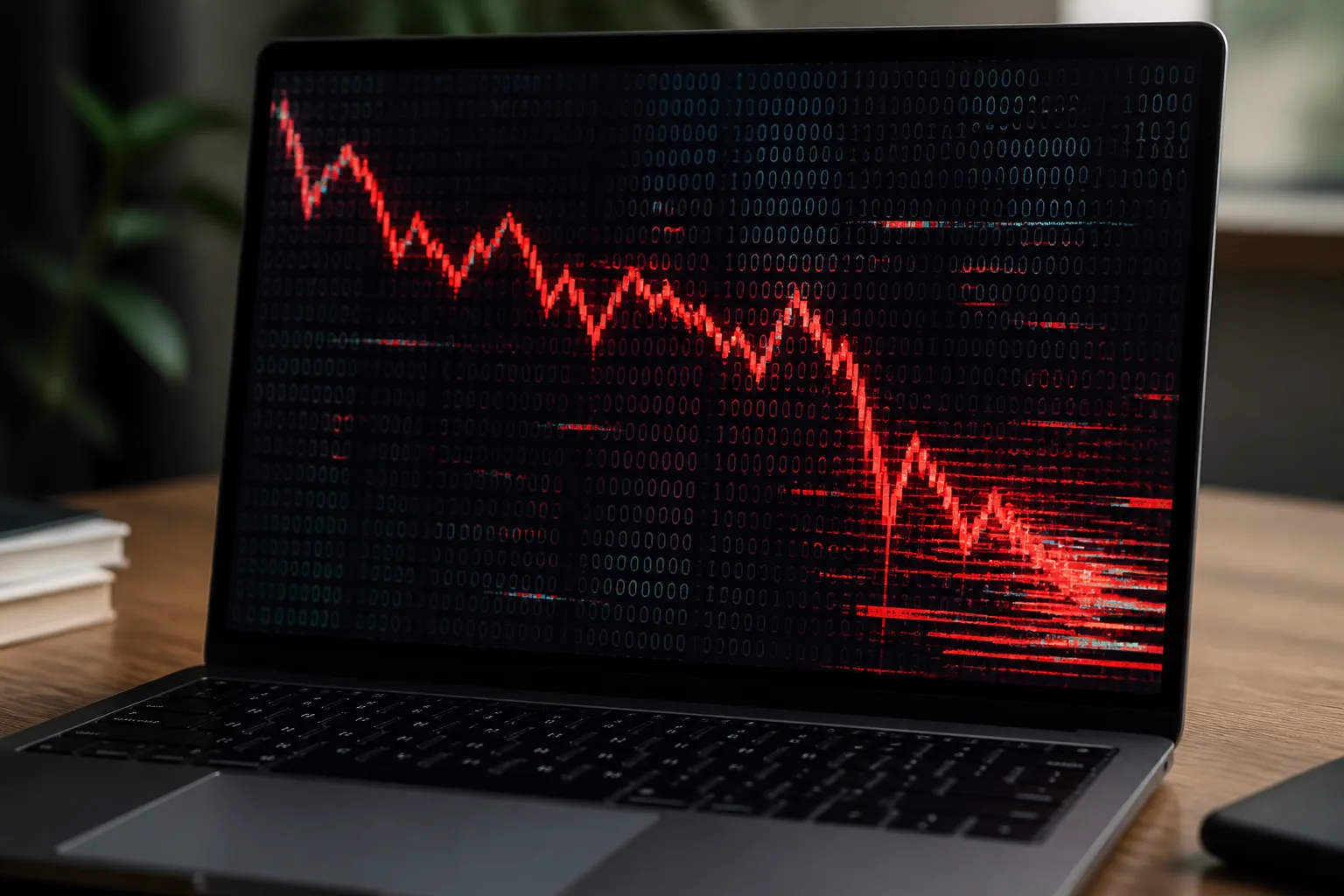
On September 9, 2026, Hunter Biden announced a new meme‑coin called $LAPTOP, only to see it tumble more than 99 percent in the first four hours of trading. Launched on Base, Coinbase’s Ethereum‑layer‑2 network, the token hit a high of $222 at 8:05 a.m. before slumping to $1.79 by 12:20 p.m., wiping out almost all of its market value.
The project issued a total supply of one billion tokens. Twenty percent were earmarked for airdrops: 2 percent to wallets that lost money on the Trump‑branded $TRUMP token, 8 percent to Hunter Biden’s Substack subscribers, and 10 percent to a mailing list linked to video journalist Andrew Callaghan, who has publicly stated that he and his company had no involvement. The remaining 30 percent was reserved for the founding team, locked for six months and vesting over two years. The white paper also promised that a portion of the supply could be burned in up to 30 predetermined events, including a Democratic victory in the 2028 presidential election.
Blockchain‑analytics firm Bubblemaps reported that roughly 80 percent of traders who bought $LAPTOP lost money. More than 15,000 wallets moved into the red after launch, with two traders losing between $100,000 and $1 million and 100 traders losing over $1 million. Analysis showed that a project‑linked wallet received 100 million tokens a week before trading opened, of which 42.5 million were sold. An additional 14.5 million tokens were transferred to an unidentified wallet about two hours before the token began trading, underscoring the token’s highly concentrated supply and vulnerability to a dump.
Hunter Biden cautioned buyers before the launch that the token was not a guaranteed investment. “You should not expect me or anyone else to make this token more valuable for you. $LAPTOP isn’t just about owning something, it’s about saying something. Everybody gets knocked down. How do we help each other and our country to get back up?” he said. The same day the token launched, he added, “I also want to make some money.” The coin’s name and marketing drew on the laptop that was abandoned at a Delaware repair shop in 2019 and became a focal point of Republican investigations into his family.
The rapid decline has left more than 15,000 retail investors with losses. The token’s market cap fell from an all‑time high of $1.24 billion to a value of roughly $2.54 per token, leaving a fully diluted valuation near $3.56 billion. No statement has been issued by Hunter Biden or the project’s team since the collapse, following a week of public appearances in which he promoted the coin as a symbol of resilience, redemption, and recovery.
The incident highlights the risks of meme‑coins that rely on celebrity names and social media hype. Although the token’s structure included a lock‑up for founders and a plan for future burns, the concentration of early holdings and the pre‑sale of large token blocks created conditions that enabled a rapid sell‑off. The collapse also underscores the lack of regulatory oversight for new cryptocurrency projects, which can be launched and then withdrawn with little recourse for investors.
At present, $LAPTOP remains listed on Base, but its price has stabilized near $1.79. No further regulatory action has been announced, and the project’s team has not released any updates. Investors who purchased the token face a choice: hold, sell, or seek legal recourse, though the decentralized nature of the token makes recovery unlikely.
The fall of $LAPTOP illustrates how quickly a meme‑coin can lose value when early holders sell en masse and when token distribution is heavily concentrated. It also demonstrates the potential for political figures to use cryptocurrency projects as marketing tools, even when the underlying economics are fragile.
The project issued a total supply of one billion tokens. Twenty percent were earmarked for airdrops: 2 percent to wallets that lost money on the Trump‑branded $TRUMP token, 8 percent to Hunter Biden’s Substack subscribers, and 10 percent to a mailing list linked to video journalist Andrew Callaghan, who has publicly stated that he and his company had no involvement. The remaining 30 percent was reserved for the founding team, locked for six months and vesting over two years. The white paper also promised that a portion of the supply could be burned in up to 30 predetermined events, including a Democratic victory in the 2028 presidential election.
Blockchain‑analytics firm Bubblemaps reported that roughly 80 percent of traders who bought $LAPTOP lost money. More than 15,000 wallets moved into the red after launch, with two traders losing between $100,000 and $1 million and 100 traders losing over $1 million. Analysis showed that a project‑linked wallet received 100 million tokens a week before trading opened, of which 42.5 million were sold. An additional 14.5 million tokens were transferred to an unidentified wallet about two hours before the token began trading, underscoring the token’s highly concentrated supply and vulnerability to a dump.
Hunter Biden cautioned buyers before the launch that the token was not a guaranteed investment. “You should not expect me or anyone else to make this token more valuable for you. $LAPTOP isn’t just about owning something, it’s about saying something. Everybody gets knocked down. How do we help each other and our country to get back up?” he said. The same day the token launched, he added, “I also want to make some money.” The coin’s name and marketing drew on the laptop that was abandoned at a Delaware repair shop in 2019 and became a focal point of Republican investigations into his family.
The rapid decline has left more than 15,000 retail investors with losses. The token’s market cap fell from an all‑time high of $1.24 billion to a value of roughly $2.54 per token, leaving a fully diluted valuation near $3.56 billion. No statement has been issued by Hunter Biden or the project’s team since the collapse, following a week of public appearances in which he promoted the coin as a symbol of resilience, redemption, and recovery.
The incident highlights the risks of meme‑coins that rely on celebrity names and social media hype. Although the token’s structure included a lock‑up for founders and a plan for future burns, the concentration of early holdings and the pre‑sale of large token blocks created conditions that enabled a rapid sell‑off. The collapse also underscores the lack of regulatory oversight for new cryptocurrency projects, which can be launched and then withdrawn with little recourse for investors.
At present, $LAPTOP remains listed on Base, but its price has stabilized near $1.79. No further regulatory action has been announced, and the project’s team has not released any updates. Investors who purchased the token face a choice: hold, sell, or seek legal recourse, though the decentralized nature of the token makes recovery unlikely.
The fall of $LAPTOP illustrates how quickly a meme‑coin can lose value when early holders sell en masse and when token distribution is heavily concentrated. It also demonstrates the potential for political figures to use cryptocurrency projects as marketing tools, even when the underlying economics are fragile.