The History of American Patriotic Music: Songs That Helped Define a Nation
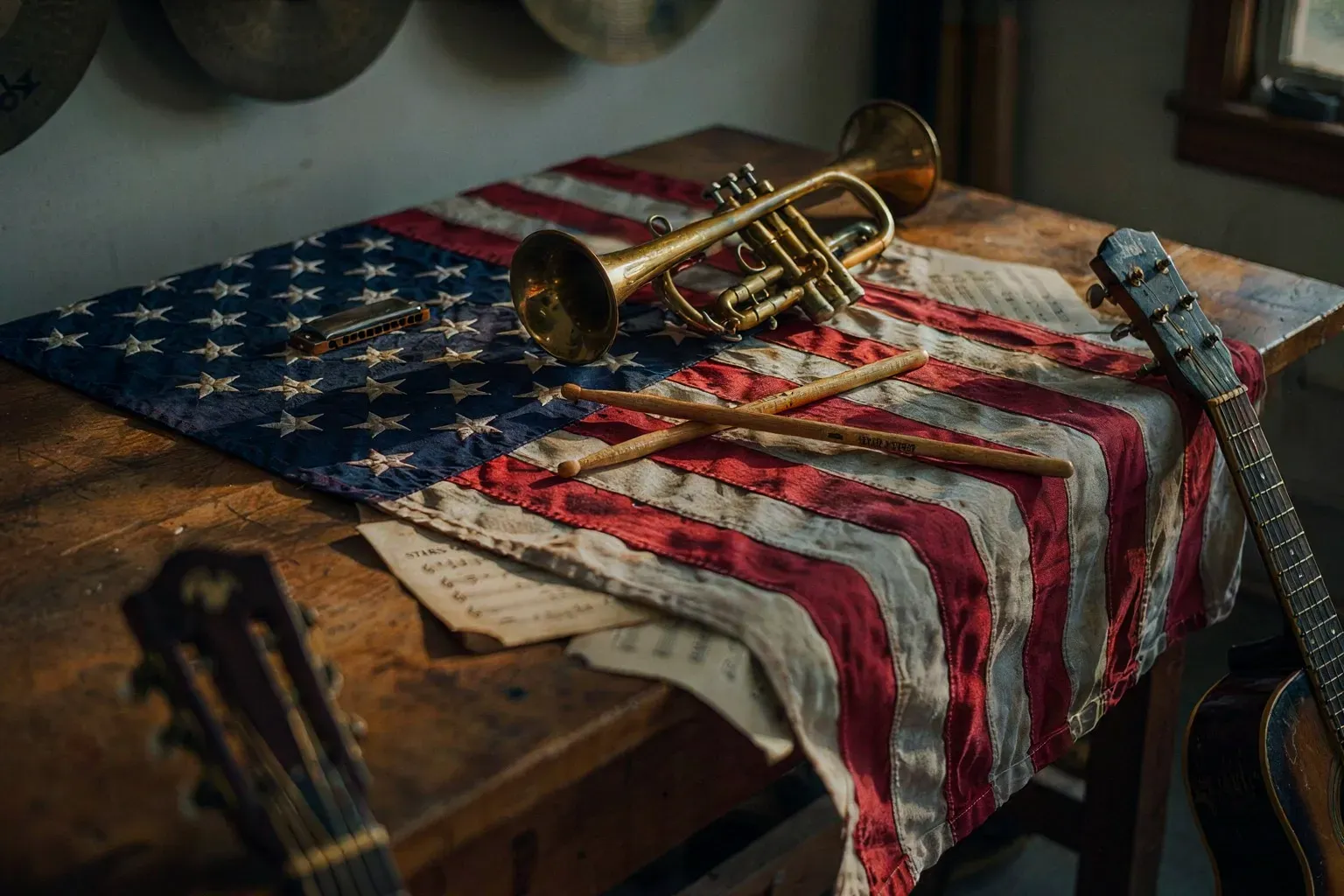
American patriotic music has been woven into the fabric of the United States since the country's earliest days. Long before radio, television, or the internet, songs helped spread ideas, inspire unity, boost morale during times of war, and celebrate the nation's identity. From Revolutionary War anthems to modern Fourth of July favorites, patriotic music has played a unique role in shaping how Americans view their country.
One of the earliest and most influential patriotic songs was "Yankee Doodle." Originally sung by British soldiers to mock American colonists during the Revolutionary War, the tune was eventually embraced by the colonists themselves. By turning an insult into a symbol of pride, Americans transformed the song into one of the earliest examples of patriotic music in the nation's history.
As the United States grew, so did its musical traditions. During the War of 1812, a young lawyer named Francis Scott Key witnessed the British bombardment of Fort McHenry in Baltimore Harbor. Inspired by the sight of the American flag still flying after the battle, Key wrote a poem that would later become the lyrics to "The Star-Spangled Banner." The song gained popularity throughout the nineteenth century and was officially adopted as the national anthem in 1931.
The Civil War era produced a vast collection of patriotic and military songs. Music became an important tool for maintaining morale among soldiers and civilians alike. Songs such as "Battle Hymn of the Republic" became enduring symbols of national unity and sacrifice. Written by Julia Ward Howe in 1861, the song combined religious imagery with patriotic themes and remains one of the most recognizable American songs ever written.
Patriotic music experienced another surge during the First and Second World Wars. Songwriters and performers created music designed to encourage enlistment, support troops overseas, and boost morale on the home front. Irving Berlin's "God Bless America," first written in 1918 and later revised in 1938, became one of the country's most beloved patriotic songs. Berlin, an immigrant who arrived in America as a child, created a song that celebrated the opportunities and freedoms he found in his adopted homeland.
During World War II, music became a powerful force in American culture. Artists performed for troops, radio stations regularly aired patriotic songs, and millions of Americans found comfort in music during uncertain times. Patriotic songs often reflected themes of courage, resilience, and national pride while reminding listeners of the sacrifices being made by servicemembers around the world.
The postwar era saw patriotic music evolve alongside the country itself. Songs celebrating American ideals continued to emerge, including "America the Beautiful," which gained widespread popularity through numerous recordings. Unlike many traditional patriotic songs that focus on military victories, "America the Beautiful" emphasizes the nation's natural landscapes, diversity, and aspirations.
The late twentieth century introduced new styles of patriotic music. Country music, in particular, became a major platform for expressions of national pride. Artists frequently recorded songs honoring military service, veterans, and American values. Following major national events, patriotic songs often surged in popularity as listeners sought music that reflected shared emotions and experiences.
Patriotic music continues to evolve in the twenty-first century. Modern artists across genres including country, rock, pop, gospel, and hip-hop have created songs that explore what America means to different communities and generations. Some celebrate the nation's achievements, while others reflect on its challenges and aspirations. Together, these works demonstrate that patriotic music remains a living tradition rather than a static historical artifact.
Today, patriotic songs are heard at sporting events, military ceremonies, political gatherings, national holidays, and community celebrations. Whether performed by marching bands, orchestras, choirs, or contemporary artists, these songs continue to connect Americans with their shared history.
The story of American patriotic music is ultimately the story of a nation expressing its identity through song. Across more than two centuries, these melodies have captured moments of triumph, hardship, hope, and unity. As the country continues to change, patriotic music remains a powerful reminder of the role music plays in bringing people together and preserving the stories that define a nation.