Blab Politics
Department of Defense Narrows Military Religious Codes, Excludes Mormon Church From Christian Category
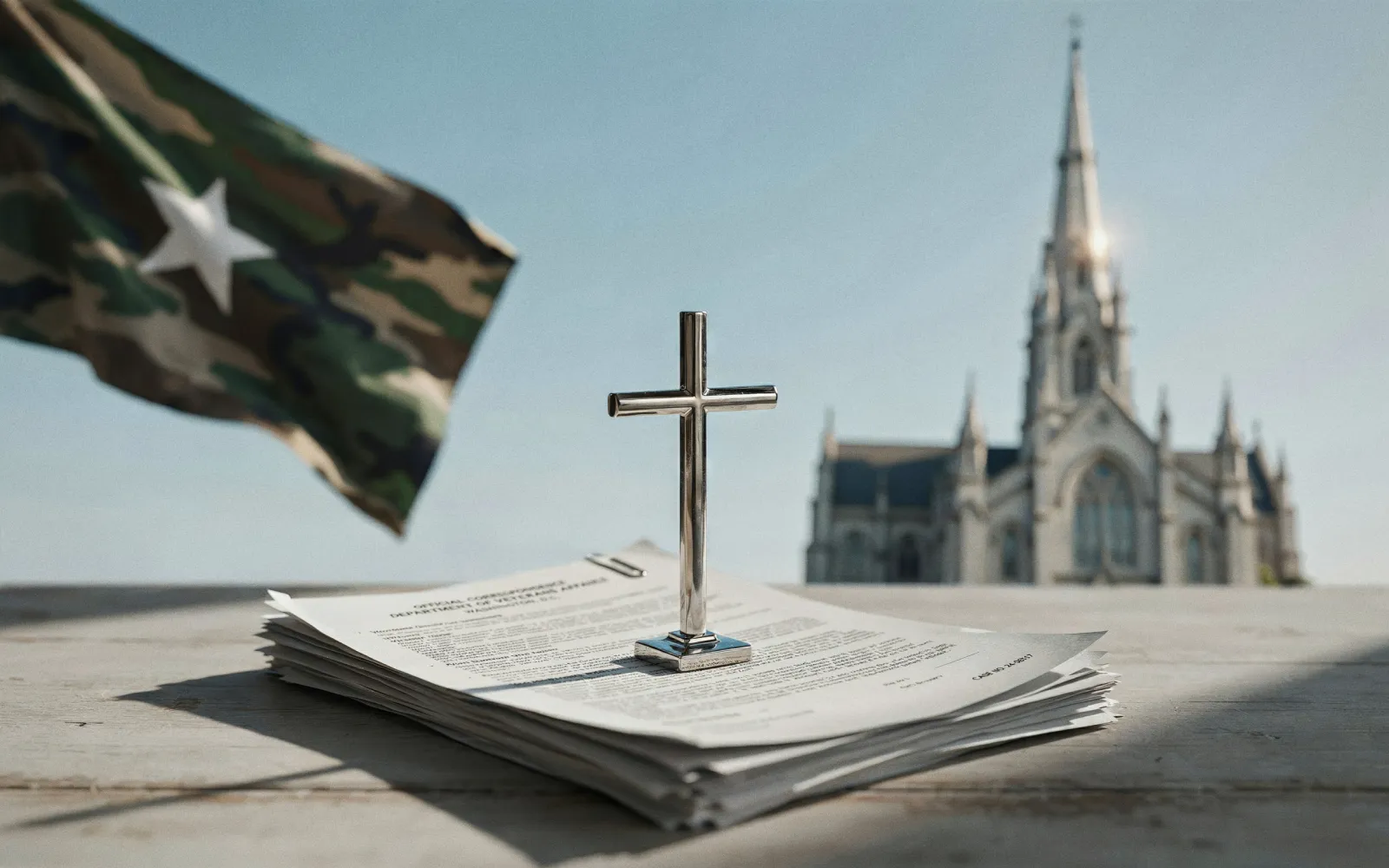
Over the weekend the Department of Defense (DoD) released a new list of religious affiliation codes for military personnel, cutting the number of recognized faiths from more than 200 to 31. The change, announced by Secretary Pete Hegseth, also removed several faiths that had previously been listed, including atheists, Wicca, and a range of New Age and humanist groups.
The DoD’s updated list, published on May 20, 2026, is intended to streamline data collection and help chaplains assign religious support more efficiently. According to the memorandum, the new codes are meant to “give chaplains clear, usable information so they can minister to service members in a way that aligns with that service member’s faith background and religious practice.”
While the Church of Jesus Christ of Latter‑Saints (LDS) is still recognized as a faith group, the new list does not label it as Christian. The LDS Church, commonly referred to as the Mormon Church, is listed as a distinct category but is not grouped with other Christian denominations such as Catholic, Protestant, or Orthodox. The omission sparked an immediate response from Mormon leaders.
Reactions
Mormon elected officials, including some who have traditionally supported the administration, publicly criticized the decision. Representative Mike Kennedy of Utah, a state with a large Mormon population, posted on X that the Pentagon’s classification was “wrong and needs to be corrected.” The LDS Church’s spokesperson for the U.S. also issued a statement saying the church believes it is a Christian denomination and that the DoD’s categorization misrepresents its faith.
Secretary Hegseth had previously emphasized the importance of religion in the military. In a March video statement, he said the chaplaincy reforms were part of the Trump administration’s effort to counter “secular humanism” and to strengthen the role of faith in public life. The new list, he said, would make it easier for chaplains to serve soldiers by matching them with the correct faith group.
The DoD’s decision to exclude 180 faiths, including atheists and pagans, has drawn criticism from civil‑rights groups. The Freedom From Religion Foundation (FFRF) released a letter expressing concern that the changes could undermine the free exercise of religion for service members who identify with the excluded faiths.
Context
The DoD’s religious affiliation codes have historically been used to track the spiritual needs of service members and to allocate chaplain resources. The previous system, which listed over 200 faiths, was considered unwieldy by some officials. The new 31‑code system is the first major overhaul in more than a decade.
The LDS Church’s theology differs from mainstream Christianity in several ways, including its non‑trinitarian beliefs and additional scriptures such as the Book of Mormon. However, the church maintains that it is a Christian denomination and that Jesus Christ is central to its faith.
Implications
The change could affect how chaplains are assigned to units and how religious support is provided to soldiers. Service members who identify as Mormon may find their faith group treated differently from other Christian groups. The DoD has not yet announced how it will handle chaplain assignments for the LDS Church.
The controversy also highlights ongoing debates about the place of religion in the military and the extent to which the government should categorize faith groups. Critics argue that the new list could marginalize minority faiths, while supporters claim it simplifies administration.
Current Status
The DoD has not yet issued a detailed implementation plan for the new codes. The LDS Church and civil‑rights organizations are monitoring the situation closely. No official response has been provided regarding potential adjustments to the list. The next steps will likely involve further communication between the DoD, religious groups, and advocacy organizations to address concerns about representation and religious freedom for military personnel.
The debate over religious classification in the military continues to unfold as the DoD moves forward with its chaplaincy reforms.
The DoD’s updated list, published on May 20, 2026, is intended to streamline data collection and help chaplains assign religious support more efficiently. According to the memorandum, the new codes are meant to “give chaplains clear, usable information so they can minister to service members in a way that aligns with that service member’s faith background and religious practice.”
While the Church of Jesus Christ of Latter‑Saints (LDS) is still recognized as a faith group, the new list does not label it as Christian. The LDS Church, commonly referred to as the Mormon Church, is listed as a distinct category but is not grouped with other Christian denominations such as Catholic, Protestant, or Orthodox. The omission sparked an immediate response from Mormon leaders.
Reactions
Mormon elected officials, including some who have traditionally supported the administration, publicly criticized the decision. Representative Mike Kennedy of Utah, a state with a large Mormon population, posted on X that the Pentagon’s classification was “wrong and needs to be corrected.” The LDS Church’s spokesperson for the U.S. also issued a statement saying the church believes it is a Christian denomination and that the DoD’s categorization misrepresents its faith.
Secretary Hegseth had previously emphasized the importance of religion in the military. In a March video statement, he said the chaplaincy reforms were part of the Trump administration’s effort to counter “secular humanism” and to strengthen the role of faith in public life. The new list, he said, would make it easier for chaplains to serve soldiers by matching them with the correct faith group.
The DoD’s decision to exclude 180 faiths, including atheists and pagans, has drawn criticism from civil‑rights groups. The Freedom From Religion Foundation (FFRF) released a letter expressing concern that the changes could undermine the free exercise of religion for service members who identify with the excluded faiths.
Context
The DoD’s religious affiliation codes have historically been used to track the spiritual needs of service members and to allocate chaplain resources. The previous system, which listed over 200 faiths, was considered unwieldy by some officials. The new 31‑code system is the first major overhaul in more than a decade.
The LDS Church’s theology differs from mainstream Christianity in several ways, including its non‑trinitarian beliefs and additional scriptures such as the Book of Mormon. However, the church maintains that it is a Christian denomination and that Jesus Christ is central to its faith.
Implications
The change could affect how chaplains are assigned to units and how religious support is provided to soldiers. Service members who identify as Mormon may find their faith group treated differently from other Christian groups. The DoD has not yet announced how it will handle chaplain assignments for the LDS Church.
The controversy also highlights ongoing debates about the place of religion in the military and the extent to which the government should categorize faith groups. Critics argue that the new list could marginalize minority faiths, while supporters claim it simplifies administration.
Current Status
The DoD has not yet issued a detailed implementation plan for the new codes. The LDS Church and civil‑rights organizations are monitoring the situation closely. No official response has been provided regarding potential adjustments to the list. The next steps will likely involve further communication between the DoD, religious groups, and advocacy organizations to address concerns about representation and religious freedom for military personnel.
The debate over religious classification in the military continues to unfold as the DoD moves forward with its chaplaincy reforms.