Blab Politics
Trump Threatens Hormuz Tolls as U.S.-Iran Talks Progress in Switzerland
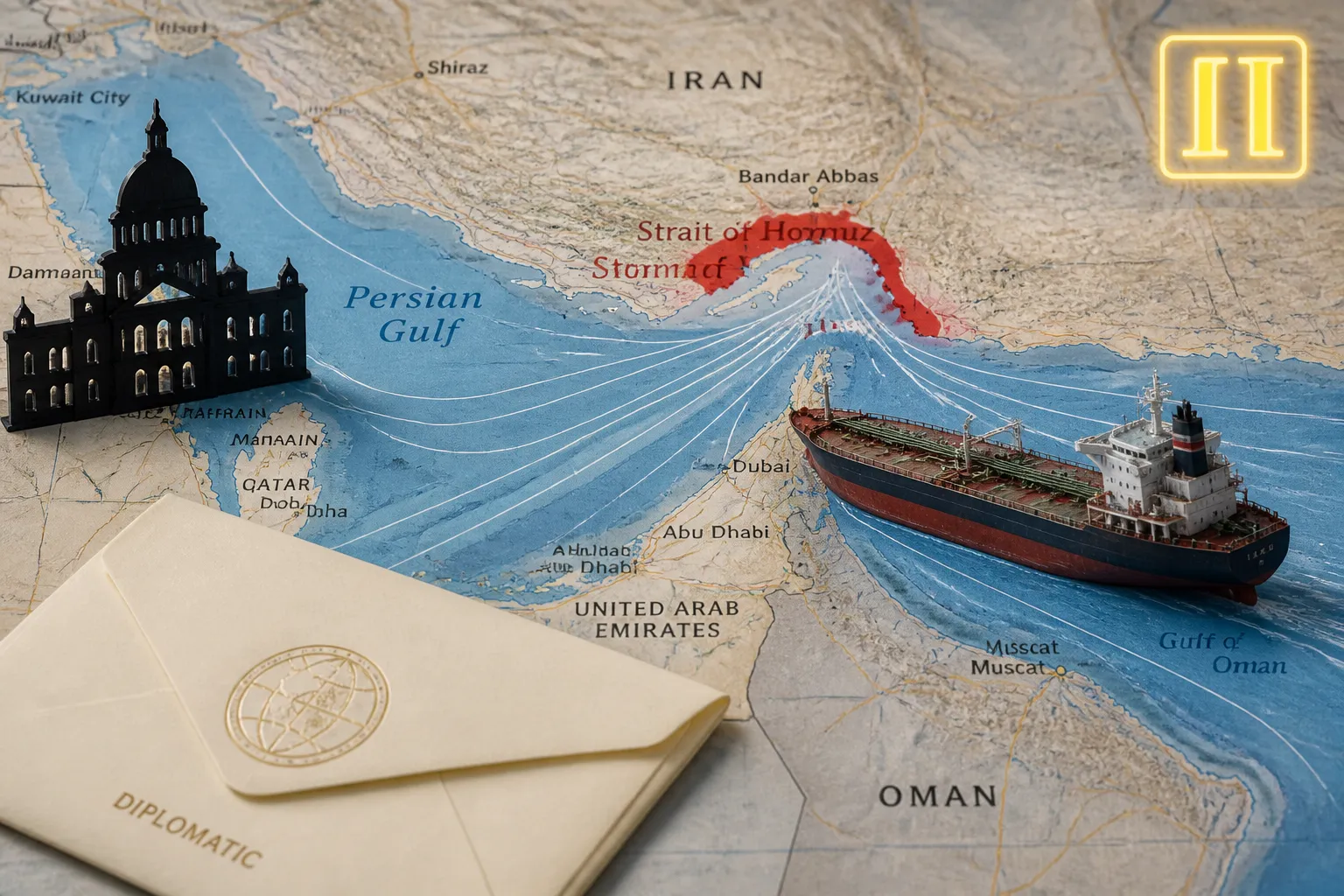
On June 21, 2026, President Donald Trump issued a stark warning: if the United States and Iran cannot agree on a final settlement within 60 days, Washington will impose tolls on every ship that sails through the Strait of Hormuz. The threat came the same day Vice President J.D. Vance led a U.S. delegation in Bern, steering a fresh round of talks with Iranian officials. The dual moves underscore the urgency of ending the war that erupted in February and of securing a lasting peace in a region where the Strait is a lifeline for global trade.
The Swiss negotiations are part of a broader diplomatic push that began with a memorandum of understanding signed on June 14. That accord set a 60‑day window to negotiate limits on Iran’s nuclear program, lift sanctions, and release frozen assets. Vance’s team—augmented by former senior officials Jared Kushner and Steve Witkoff—met Iranian negotiators headed by Parliament Speaker Mohammad Bagher Qalibaf and Foreign Minister Abbas Araghchi. Pakistan and Qatar, both long‑time mediators, sat on the sidelines, ready to help broker a deal.
According to reports, the first round of discussions lasted roughly 80 minutes. The focus was on clarifying Iran’s statements about the Strait and on establishing mechanisms that would keep the waterway open regardless of political tensions. A senior U.S. diplomat noted that, contrary to some media reports, the Iranians remained engaged in the talks.
The backdrop to these diplomatic efforts is Tehran’s closure of the Strait on June 20 in retaliation for Israel’s military campaign in Lebanon against Hezbollah. The shutdown was described by Iran as a violation of a ceasefire agreement with the United States. Washington, however, insists that shipping traffic on the Strait continues unabated, and that the proposed tolls would apply to any vessel that passes through, even if Iran claims the waterway is closed.
Beyond the Strait, the negotiations also touch on the release of frozen Iranian assets and the lifting of oil sanctions. Hamid Bovard, CEO of the National Iranian Oil Company, said that the issue of lifting oil‑related sanctions and waivers was pursued during the talks. Iranian media reported that $12 billion in frozen assets had already been released before the negotiations began. The United States also seeks to address Iran’s nuclear program, including limits on enrichment and the disposal of highly enriched uranium.
The uncertainty over the Strait rippled through oil markets. U.S. crude climbed nearly 3 % to $78.70 a barrel on Sunday, while Brent crude rose a little over 1 % to $81.70. The price moves reflect fears that a prolonged closure could disrupt the 20 % of global LNG and 25 % of seaborne oil that transit the Strait.
Amid the regional flare‑up, Israeli Prime Minister Benjamin Netanyahu addressed the JNS International Policy Summit, asserting that the Iranian regime would collapse as a result of the military campaign and that its fall would be a triumph for the Iranian people. His remarks came while the world watched the Swiss negotiations unfold.
The memorandum of understanding, signed on June 14, set a 60‑day deadline for negotiations on nuclear limits, sanctions relief, and asset release. The Swiss talks are intended to lay the groundwork for a formal settlement, though no signing ceremony has yet been scheduled. The outcome remains uncertain.
As the night progressed, both sides are expected to work on mechanisms that will keep the Strait open and enforce a ceasefire in southern Lebanon. Future rounds will likely address the release of additional assets, the finalization of a nuclear agreement, and the status of Iranian oil exports. The next steps will be closely watched by global markets and regional actors alike.
The current situation remains fluid. Trump’s toll threat signals U.S. pressure to secure a comprehensive deal, while the Swiss talks aim to cement a ceasefire and resolve key economic and security issues. The negotiations will ultimately decide whether the Strait of Hormuz remains open, whether Iran’s nuclear program is curtailed, and whether frozen assets are released.
The Swiss negotiations are part of a broader diplomatic push that began with a memorandum of understanding signed on June 14. That accord set a 60‑day window to negotiate limits on Iran’s nuclear program, lift sanctions, and release frozen assets. Vance’s team—augmented by former senior officials Jared Kushner and Steve Witkoff—met Iranian negotiators headed by Parliament Speaker Mohammad Bagher Qalibaf and Foreign Minister Abbas Araghchi. Pakistan and Qatar, both long‑time mediators, sat on the sidelines, ready to help broker a deal.
According to reports, the first round of discussions lasted roughly 80 minutes. The focus was on clarifying Iran’s statements about the Strait and on establishing mechanisms that would keep the waterway open regardless of political tensions. A senior U.S. diplomat noted that, contrary to some media reports, the Iranians remained engaged in the talks.
The backdrop to these diplomatic efforts is Tehran’s closure of the Strait on June 20 in retaliation for Israel’s military campaign in Lebanon against Hezbollah. The shutdown was described by Iran as a violation of a ceasefire agreement with the United States. Washington, however, insists that shipping traffic on the Strait continues unabated, and that the proposed tolls would apply to any vessel that passes through, even if Iran claims the waterway is closed.
Beyond the Strait, the negotiations also touch on the release of frozen Iranian assets and the lifting of oil sanctions. Hamid Bovard, CEO of the National Iranian Oil Company, said that the issue of lifting oil‑related sanctions and waivers was pursued during the talks. Iranian media reported that $12 billion in frozen assets had already been released before the negotiations began. The United States also seeks to address Iran’s nuclear program, including limits on enrichment and the disposal of highly enriched uranium.
The uncertainty over the Strait rippled through oil markets. U.S. crude climbed nearly 3 % to $78.70 a barrel on Sunday, while Brent crude rose a little over 1 % to $81.70. The price moves reflect fears that a prolonged closure could disrupt the 20 % of global LNG and 25 % of seaborne oil that transit the Strait.
Amid the regional flare‑up, Israeli Prime Minister Benjamin Netanyahu addressed the JNS International Policy Summit, asserting that the Iranian regime would collapse as a result of the military campaign and that its fall would be a triumph for the Iranian people. His remarks came while the world watched the Swiss negotiations unfold.
The memorandum of understanding, signed on June 14, set a 60‑day deadline for negotiations on nuclear limits, sanctions relief, and asset release. The Swiss talks are intended to lay the groundwork for a formal settlement, though no signing ceremony has yet been scheduled. The outcome remains uncertain.
As the night progressed, both sides are expected to work on mechanisms that will keep the Strait open and enforce a ceasefire in southern Lebanon. Future rounds will likely address the release of additional assets, the finalization of a nuclear agreement, and the status of Iranian oil exports. The next steps will be closely watched by global markets and regional actors alike.
The current situation remains fluid. Trump’s toll threat signals U.S. pressure to secure a comprehensive deal, while the Swiss talks aim to cement a ceasefire and resolve key economic and security issues. The negotiations will ultimately decide whether the Strait of Hormuz remains open, whether Iran’s nuclear program is curtailed, and whether frozen assets are released.