Blab Politics
Cuban Revolutionary Leader Ramiro Valdes Menendez Dies at 94
On Sunday, June 21, 2026, Havana mourned the loss of a founding figure of the Cuban Revolution. Ramiro Valdés Menéndez, 94, died after a life that spanned more than six decades of revolutionary struggle and state service. The Communist Party of Cuba and the government announced his passing in a joint statement, but they did not disclose the cause of death.
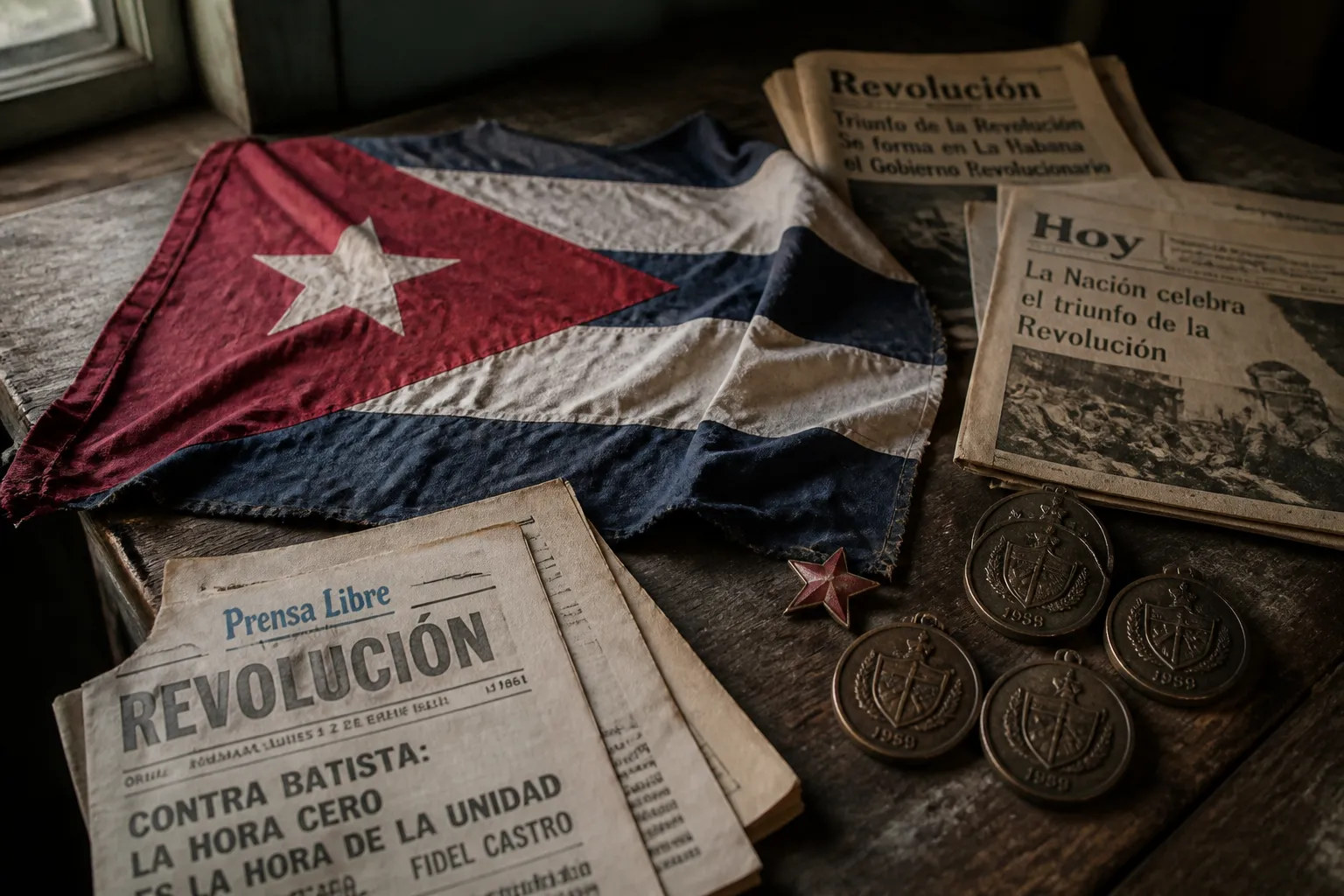
Valdés’s revolutionary journey began in the early 1950s. At 21, he joined Fidel Castro’s ill‑fated 1953 assault on the Moncada barracks—a pivotal moment that ignited the revolution. Captured and imprisoned, he was later released and fought alongside Ernesto “Che” Guevara in the Sierra Maestra. His bravery earned him the rare honor of being named a Commander of the Revolution.
After the triumph of the revolution, Valdés moved from the battlefield to the corridors of power. He served twice as interior minister—first from 1961 to 1968 and again from 1979 to 1985—overseeing the country’s security apparatus. In 1986, a rift with Fidel Castro pushed him out of the inner circle, a period of quiet that lasted until 1997 when he led a mission to Bolivia to recover Che Guevara’s remains.
The turn of the millennium saw Valdés re‑enter the political scene. He joined the Council of State in 2003, became head of telecommunications in 2006—the first major appointment of Raúl Castro’s presidency—and was elevated to vice‑president in 2009. By 2011, at age 78, he secured the third rank in the Communist Party, behind Raúl Castro and José Ramón Machado Ventura. Despite his seniority, he rarely appeared in public or spoke to the press.
The official statement released by Cubadebate lauded Valdés as a “dedicated and loyal” revolutionary, adding that “he deserves the respect and admiration of the Cuban people for his dedication and proven loyalty to the revolutionary cause.” President Miguel Díaz‑Canel echoed this sentiment in a post on X, describing the loss as “like the loss of a father” and noting that every act in Commander Ramiro’s life was marked by “absolute loyalty to the leadership of Fidel and Raúl.”
Born on April 28, 1932, in Artemisa, a western Cuban city, Valdés’s career earned him the title “Hero of the Republic of Cuba.” His death comes at a moment when Cuba is preparing to launch a new economic reform package—approved by the Communist Party in June—that introduces unprecedented free‑market measures and is slated for National Assembly approval.
The government has yet to announce a state funeral or any memorial arrangements, and no additional details about the cause of death have been released. The Communist Party has not yet issued guidance on how Valdés’s legacy will be formally honored.
Valdés’s passing marks the loss of one of the last surviving leaders from the founding generation of the Cuban Revolution. While Cuban officials and former comrades have already begun to commemorate his life, the country remains in the early stages of deciding how to preserve his legacy for future generations. The next official statements are expected in the coming days as Cuba processes the death of a prominent revolutionary leader.
In summary, the Communist Party and the Cuban government have officially recognized Valdés’s death. No further information regarding the cause, burial arrangements, or subsequent commemorative actions has been made public, and the country awaits its next public pronouncements as it honors a figure who helped shape its history.
Valdés’s revolutionary journey began in the early 1950s. At 21, he joined Fidel Castro’s ill‑fated 1953 assault on the Moncada barracks—a pivotal moment that ignited the revolution. Captured and imprisoned, he was later released and fought alongside Ernesto “Che” Guevara in the Sierra Maestra. His bravery earned him the rare honor of being named a Commander of the Revolution.
After the triumph of the revolution, Valdés moved from the battlefield to the corridors of power. He served twice as interior minister—first from 1961 to 1968 and again from 1979 to 1985—overseeing the country’s security apparatus. In 1986, a rift with Fidel Castro pushed him out of the inner circle, a period of quiet that lasted until 1997 when he led a mission to Bolivia to recover Che Guevara’s remains.
The turn of the millennium saw Valdés re‑enter the political scene. He joined the Council of State in 2003, became head of telecommunications in 2006—the first major appointment of Raúl Castro’s presidency—and was elevated to vice‑president in 2009. By 2011, at age 78, he secured the third rank in the Communist Party, behind Raúl Castro and José Ramón Machado Ventura. Despite his seniority, he rarely appeared in public or spoke to the press.
The official statement released by Cubadebate lauded Valdés as a “dedicated and loyal” revolutionary, adding that “he deserves the respect and admiration of the Cuban people for his dedication and proven loyalty to the revolutionary cause.” President Miguel Díaz‑Canel echoed this sentiment in a post on X, describing the loss as “like the loss of a father” and noting that every act in Commander Ramiro’s life was marked by “absolute loyalty to the leadership of Fidel and Raúl.”
Born on April 28, 1932, in Artemisa, a western Cuban city, Valdés’s career earned him the title “Hero of the Republic of Cuba.” His death comes at a moment when Cuba is preparing to launch a new economic reform package—approved by the Communist Party in June—that introduces unprecedented free‑market measures and is slated for National Assembly approval.
The government has yet to announce a state funeral or any memorial arrangements, and no additional details about the cause of death have been released. The Communist Party has not yet issued guidance on how Valdés’s legacy will be formally honored.
Valdés’s passing marks the loss of one of the last surviving leaders from the founding generation of the Cuban Revolution. While Cuban officials and former comrades have already begun to commemorate his life, the country remains in the early stages of deciding how to preserve his legacy for future generations. The next official statements are expected in the coming days as Cuba processes the death of a prominent revolutionary leader.
In summary, the Communist Party and the Cuban government have officially recognized Valdés’s death. No further information regarding the cause, burial arrangements, or subsequent commemorative actions has been made public, and the country awaits its next public pronouncements as it honors a figure who helped shape its history.