Blab Politics
Die Linkes 10th Party Congress in Potsdam: Motion Calls Israels Gaza Operations Genocide, Debates Salary Cap, and Reaffirms Stance on AfD and War
The Left Party (Die Linke) completed its 10th federal congress in Potsdam on 21 June 2026. The three‑day meeting, held at the Metropolishalle, focused on the party’s future direction, leadership renewal and a series of policy motions.
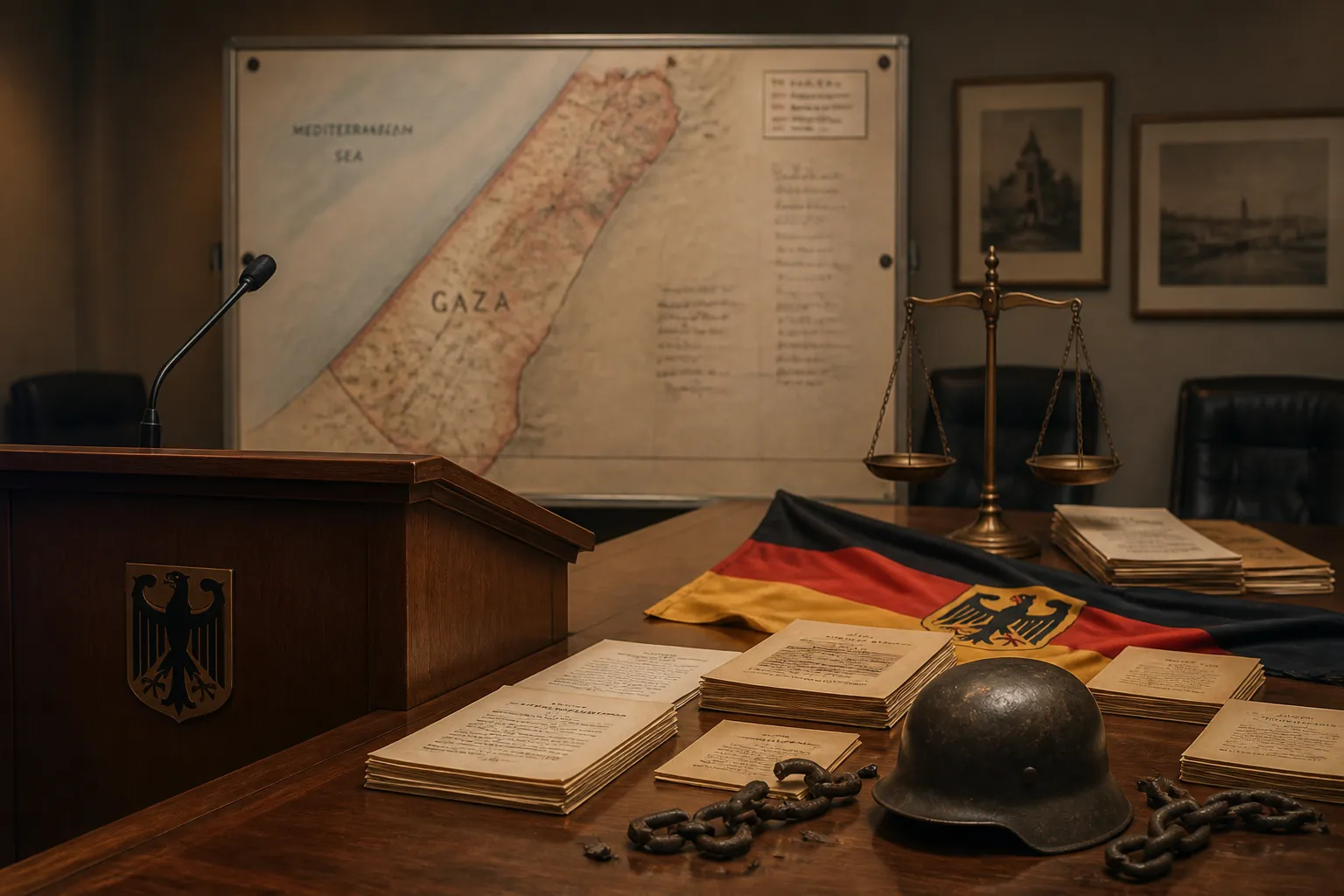
The most widely reported motion was the party’s decision to describe Israel’s conduct in the Gaza Strip as genocide. According to the motion, the Israeli military’s actions in Gaza constitute a “genocide” and the party became the first German parliamentary party to adopt the term in a formal resolution. The motion was adopted by a majority of the 64 party delegates and was presented by the party’s leadership, co‑chairs Ines Schwerdtner and Jan van Aken.
A second key agenda item was a debate over a proposed salary cap for party members. The motion, which was introduced by a faction of delegates, sought to limit the maximum remuneration for Die Linke’s parliamentary and party officials. The proposal was rejected, with delegates citing the need to retain experienced politicians and to avoid a perception of internal division.
The congress also produced a separate motion on the Gaza conflict. While the party’s leadership motion on genocide was clear, the Gaza motion was more cautious. The motion, spanning eight pages, condemned Hamas and antisemitism, criticised Israeli policy, and called for a two‑state solution. It avoided a definitive stance on the legality of Israel’s military operations.
In addition to the Gaza debate, the congress addressed the party’s position on the far‑right Alternative for Germany (AfD). The motion described the AfD as a “fascist threat” and called for an “anti‑fascist alliance policy” that would bring Die Linke closer to the governing parties. The motion also proposed a ban on the AfD, arguing that such a ban would strengthen the state’s repressive apparatus.
The party’s stance on war was also outlined. The motion acknowledged the unpopularity of rearmament and conscription among young voters, and it called for investment in “technological independence, future‑proof education and research and social cohesion” rather than armaments. The motion criticised the war in Ukraine and the Middle East, but it did not condemn German or European imperialism or NATO. It described the EU as “significantly less capable of action due to its internal contradictions” and called for a “peace power capable of defence but not exporting violence.”
Die Linke’s history provides context for the congress. The party was founded in 2007 from the merger of the Party of Democratic Socialism (PDS) and Labour and Social Justice – The Electoral Alternative. Through the PDS, it is the direct descendant of the Socialist Unity Party of Germany (SED), the ruling party of former East Germany. Since 2024 the party’s co‑chairs are Ines Schwerdtner and Jan van Aken.
The party holds 64 seats in the 630‑member Bundestag, representing 8.8 % of the vote in the 2025 federal election. It is the smallest parliamentary group in the Bundestag and is headed by parliamentary co‑leaders Heidi Reichinnek and Sören Pellmann. Die Linke participates in state governments in Bremen and Mecklenburg‑Vorpommern as a junior partner and previously led a coalition in Thuringia with the Social Democratic Party and the Greens.
The 2026 congress also highlighted the party’s membership numbers. As of December 2025, Die Linke had 123,126 registered members.
The congress concluded with the election of new leadership. Ines Schwerdtner and Jan van Aken were re‑elected as co‑chairs, and the party’s executive committee was renewed.
The motion on genocide, the salary‑cap debate, and the party’s positions on the AfD and war will shape Die Linke’s policy agenda heading into the 2026 federal election. The party’s next steps will include implementing the motions’ proposals, preparing campaign materials for the September Berlin state election, and engaging with voters on the issues of war, immigration, and social policy.
The congress was covered by several national outlets, including Tagesschau, Die Zeit, and RT DE, which reported on the motion’s adoption and the internal debates that took place.
The party’s decisions reflect its ongoing attempt to balance left‑wing rhetoric with policy positions that align with the federal government and, at times, with the far‑right. The outcomes of the congress will be closely watched by analysts, party members, and the public as Germany approaches the next electoral cycle.
The most widely reported motion was the party’s decision to describe Israel’s conduct in the Gaza Strip as genocide. According to the motion, the Israeli military’s actions in Gaza constitute a “genocide” and the party became the first German parliamentary party to adopt the term in a formal resolution. The motion was adopted by a majority of the 64 party delegates and was presented by the party’s leadership, co‑chairs Ines Schwerdtner and Jan van Aken.
A second key agenda item was a debate over a proposed salary cap for party members. The motion, which was introduced by a faction of delegates, sought to limit the maximum remuneration for Die Linke’s parliamentary and party officials. The proposal was rejected, with delegates citing the need to retain experienced politicians and to avoid a perception of internal division.
The congress also produced a separate motion on the Gaza conflict. While the party’s leadership motion on genocide was clear, the Gaza motion was more cautious. The motion, spanning eight pages, condemned Hamas and antisemitism, criticised Israeli policy, and called for a two‑state solution. It avoided a definitive stance on the legality of Israel’s military operations.
In addition to the Gaza debate, the congress addressed the party’s position on the far‑right Alternative for Germany (AfD). The motion described the AfD as a “fascist threat” and called for an “anti‑fascist alliance policy” that would bring Die Linke closer to the governing parties. The motion also proposed a ban on the AfD, arguing that such a ban would strengthen the state’s repressive apparatus.
The party’s stance on war was also outlined. The motion acknowledged the unpopularity of rearmament and conscription among young voters, and it called for investment in “technological independence, future‑proof education and research and social cohesion” rather than armaments. The motion criticised the war in Ukraine and the Middle East, but it did not condemn German or European imperialism or NATO. It described the EU as “significantly less capable of action due to its internal contradictions” and called for a “peace power capable of defence but not exporting violence.”
Die Linke’s history provides context for the congress. The party was founded in 2007 from the merger of the Party of Democratic Socialism (PDS) and Labour and Social Justice – The Electoral Alternative. Through the PDS, it is the direct descendant of the Socialist Unity Party of Germany (SED), the ruling party of former East Germany. Since 2024 the party’s co‑chairs are Ines Schwerdtner and Jan van Aken.
The party holds 64 seats in the 630‑member Bundestag, representing 8.8 % of the vote in the 2025 federal election. It is the smallest parliamentary group in the Bundestag and is headed by parliamentary co‑leaders Heidi Reichinnek and Sören Pellmann. Die Linke participates in state governments in Bremen and Mecklenburg‑Vorpommern as a junior partner and previously led a coalition in Thuringia with the Social Democratic Party and the Greens.
The 2026 congress also highlighted the party’s membership numbers. As of December 2025, Die Linke had 123,126 registered members.
The congress concluded with the election of new leadership. Ines Schwerdtner and Jan van Aken were re‑elected as co‑chairs, and the party’s executive committee was renewed.
The motion on genocide, the salary‑cap debate, and the party’s positions on the AfD and war will shape Die Linke’s policy agenda heading into the 2026 federal election. The party’s next steps will include implementing the motions’ proposals, preparing campaign materials for the September Berlin state election, and engaging with voters on the issues of war, immigration, and social policy.
The congress was covered by several national outlets, including Tagesschau, Die Zeit, and RT DE, which reported on the motion’s adoption and the internal debates that took place.
The party’s decisions reflect its ongoing attempt to balance left‑wing rhetoric with policy positions that align with the federal government and, at times, with the far‑right. The outcomes of the congress will be closely watched by analysts, party members, and the public as Germany approaches the next electoral cycle.